This week's session helps your players get started when at the crease when looking to build a big score.
As almost any batsman will tell you, the hardest part of batting is getting started and especially scoring that all important first run (nobody likes being out for a duck).
That's why in this plan we get your players to score more singles to take the pressure off their shoulders at the start of their innings - as well as trying to get young players out of the 'four or nothing' mindset of batting!
The key to picking up singles
Michael John Clarke, the Australian batsman, says that "the key to picking up singles is playing the ball with soft hands. This means you can drop the ball at your feet with as little pace as possible to give yourself more time to run to the other end."

The new Laws of Cricket are in force from 1 October 2026 and the 'bunny hop' boundary catch is gone. Here is how to coach your fielders to catch on the rope this winter.

The covers are on and the last tea has been served. What your club does between now and April decides how the next season starts. Here is a simple, honest winter plan for players, bowlers and juniors.
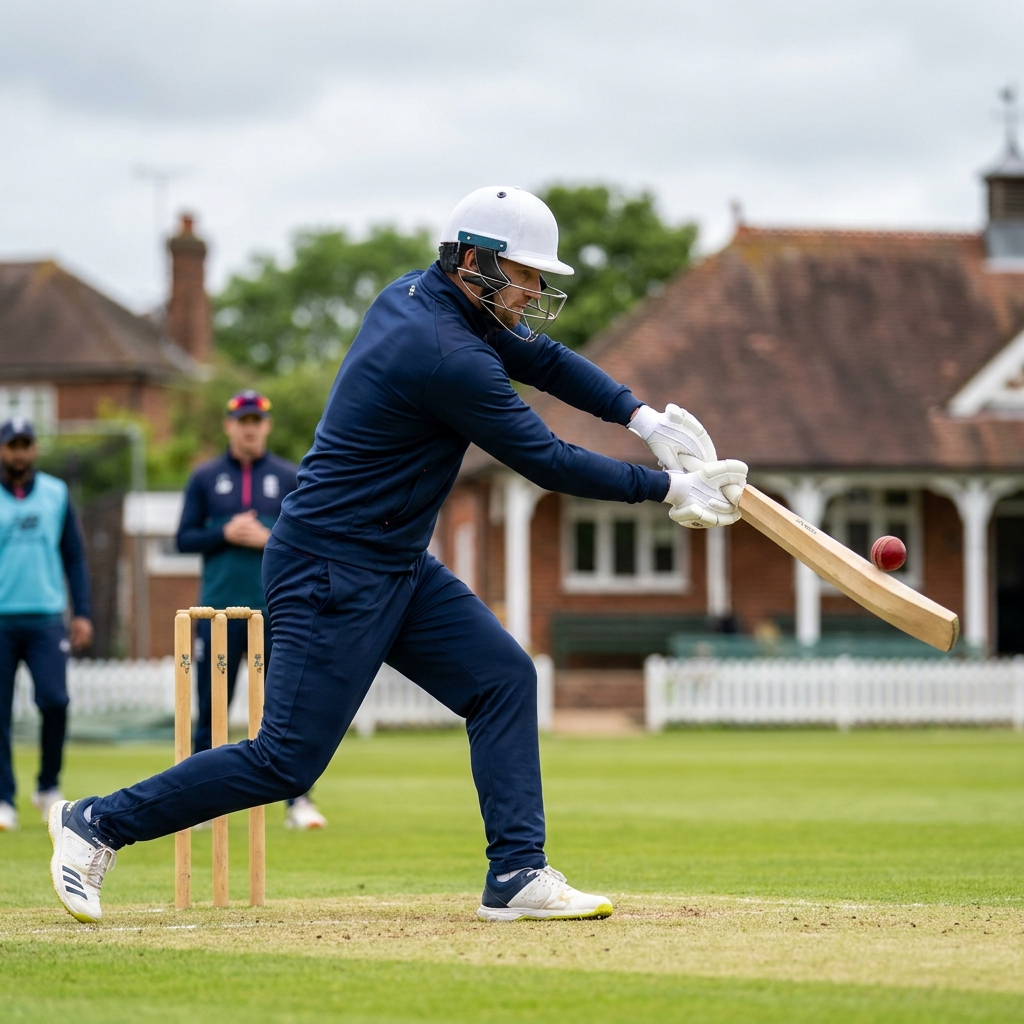
August is when seasons are decided, and most club games are lost chasing rather than setting. Give your batters a framework for the chase and you win the close ones.


Register for FREE and get coaching tips, top drills, session and more every week!