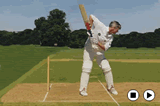
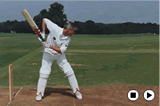
Played to a ball short of a length, roughly stump high.
Batsman should have a relaxed and balanced stance - head still, eyes level.
Back swing and step back. Their front shoulder should then dip.
With the base established, weight stays slightly forward. Shoulders rotate vertically, front leg drawn back, alongside the back foot.
Bat decelerates, ‘soft hands’ upon impact. Ball contact under eyes.
Throughout this shot players should remain side on to the ball.
To ensure players stand side on their back foot should move back and across first, before being followed by the front foot (which should be pointing towards the point fielder).
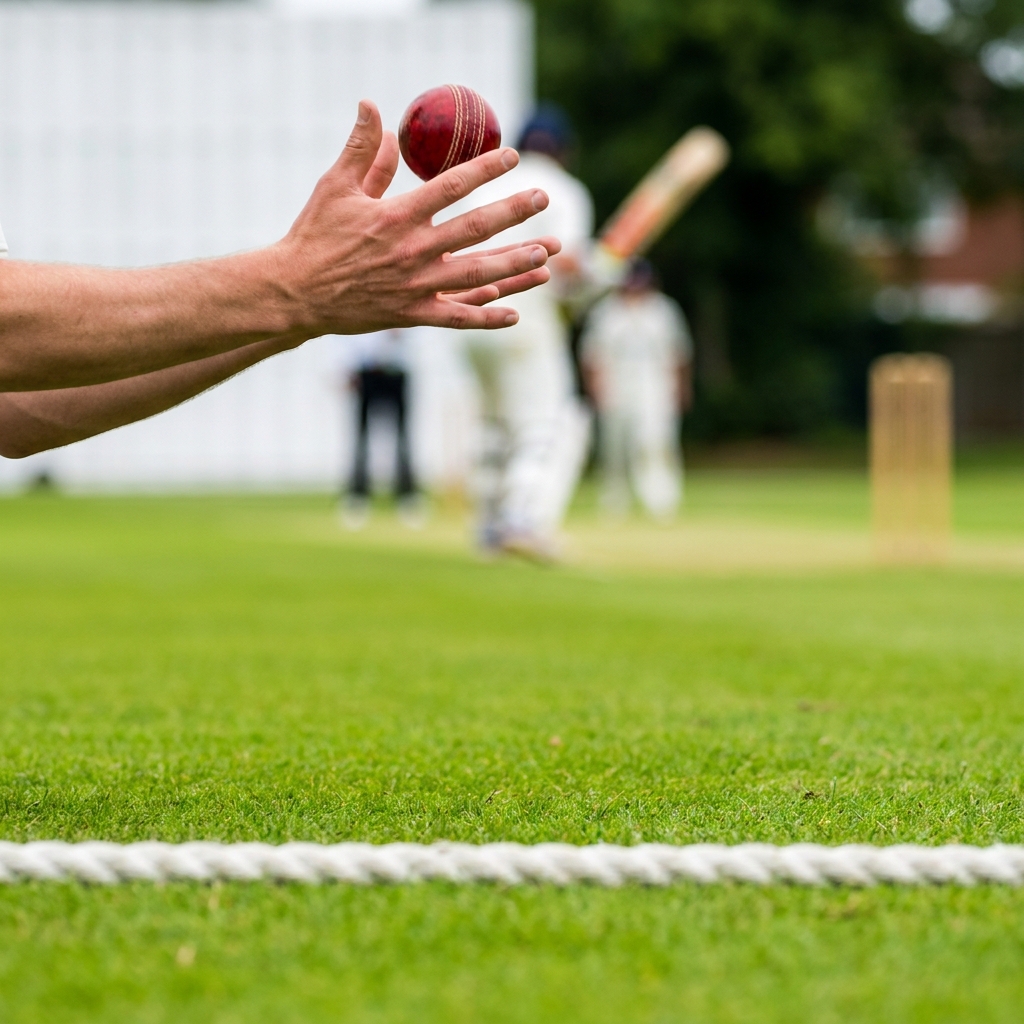
The new Laws of Cricket are in force from 1 October 2026 and the 'bunny hop' boundary catch is gone. Here is how to coach your fielders to catch on the rope this winter.

The covers are on and the last tea has been served. What your club does between now and April decides how the next season starts. Here is a simple, honest winter plan for players, bowlers and juniors.
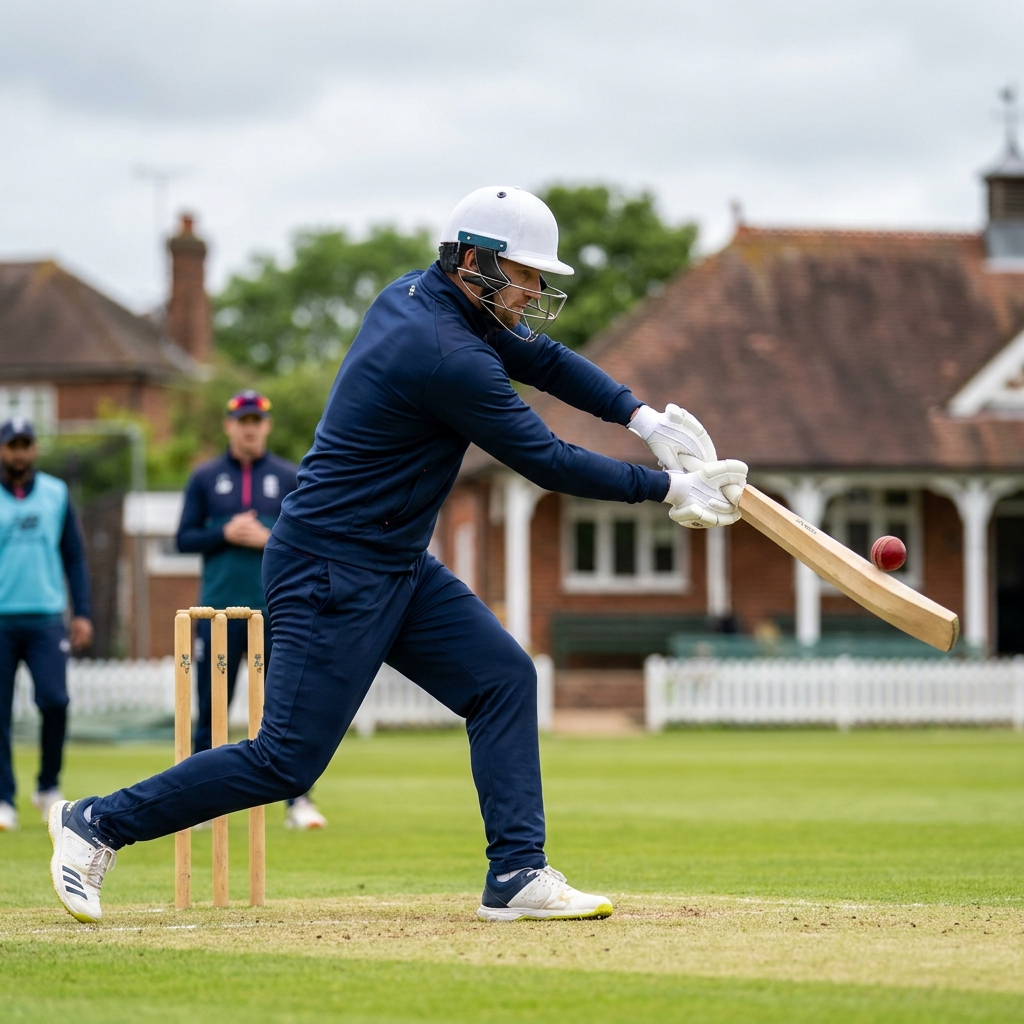
August is when seasons are decided, and most club games are lost chasing rather than setting. Give your batters a framework for the chase and you win the close ones.


Register for FREE and get coaching tips, top drills, session and more every week!