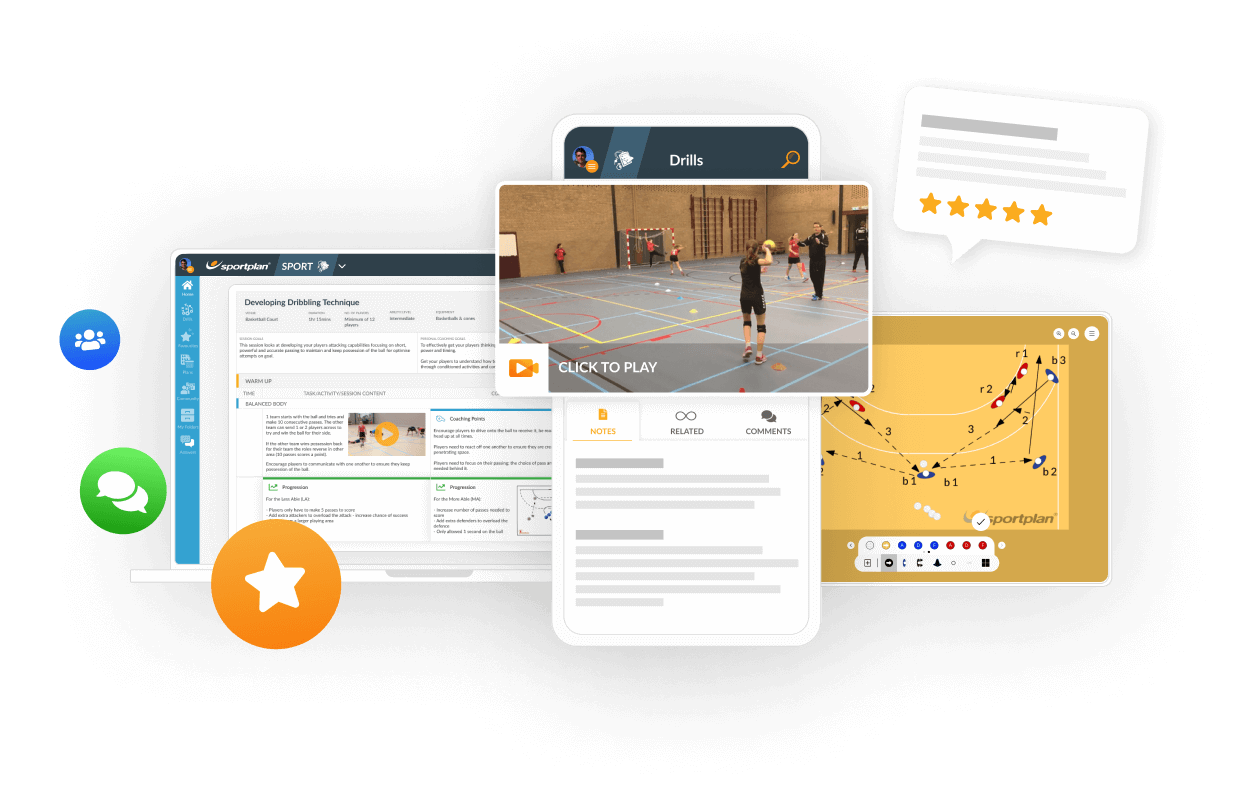
1. Pass, shot into goal, pass into the goal area by trainer. 2. Goalkeeper 1 (face to the goal) receives the ball, picks up de ball, gets it out of the goal and passes to one of the blue attackers 1-2 or 3 in the area close to his goal. 3. Attackers 1-2 and 3 pass the ball to each other in 3 passes and start for the fast break to the other part of the court and try to score a goal. on the other half of the court. After every action, new yellow attackers come in at the first playing area. 4. They pass to eachother while defenders D-E and F try to prevent the goal shot. Attackers 1-2 and 3 take the positions of D-E and F. D-E and F go to the other area and wait until it is their turn to go in.
1. If defenders intercept the ball, they go for the fast break against D-E-F. 2. If there is a fail pass, the trainer throws in a ball into the playing area and the team who gets it, goes for the fast break against D-E-F 3. In second playing area the attackers have to absolve also 3 passes before scoring a goal.
This practice has no coaching points
This practice has no progressions
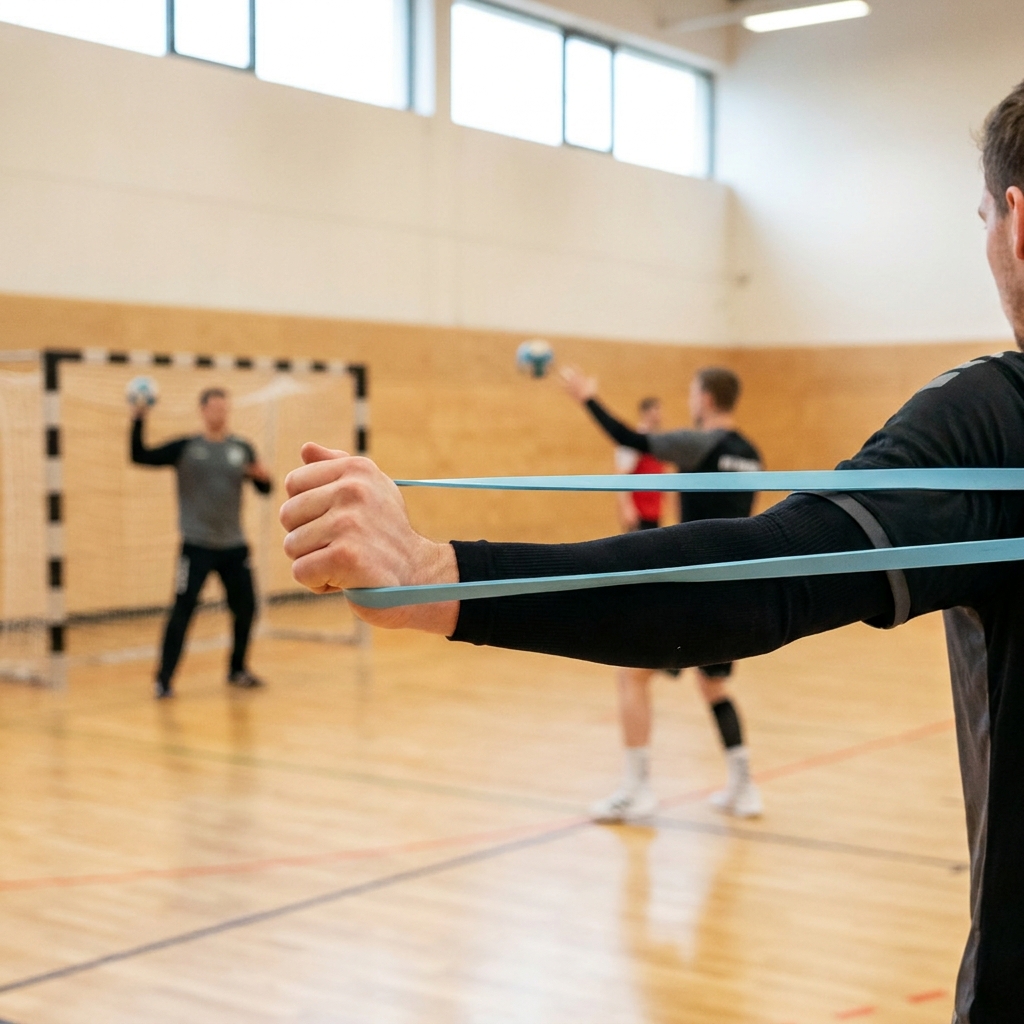
As indoor leagues get back into full swing this November, throwing volume climbs fast. A few minutes of shoulder care in every warm-up is the difference between a healthy season and a lost one.
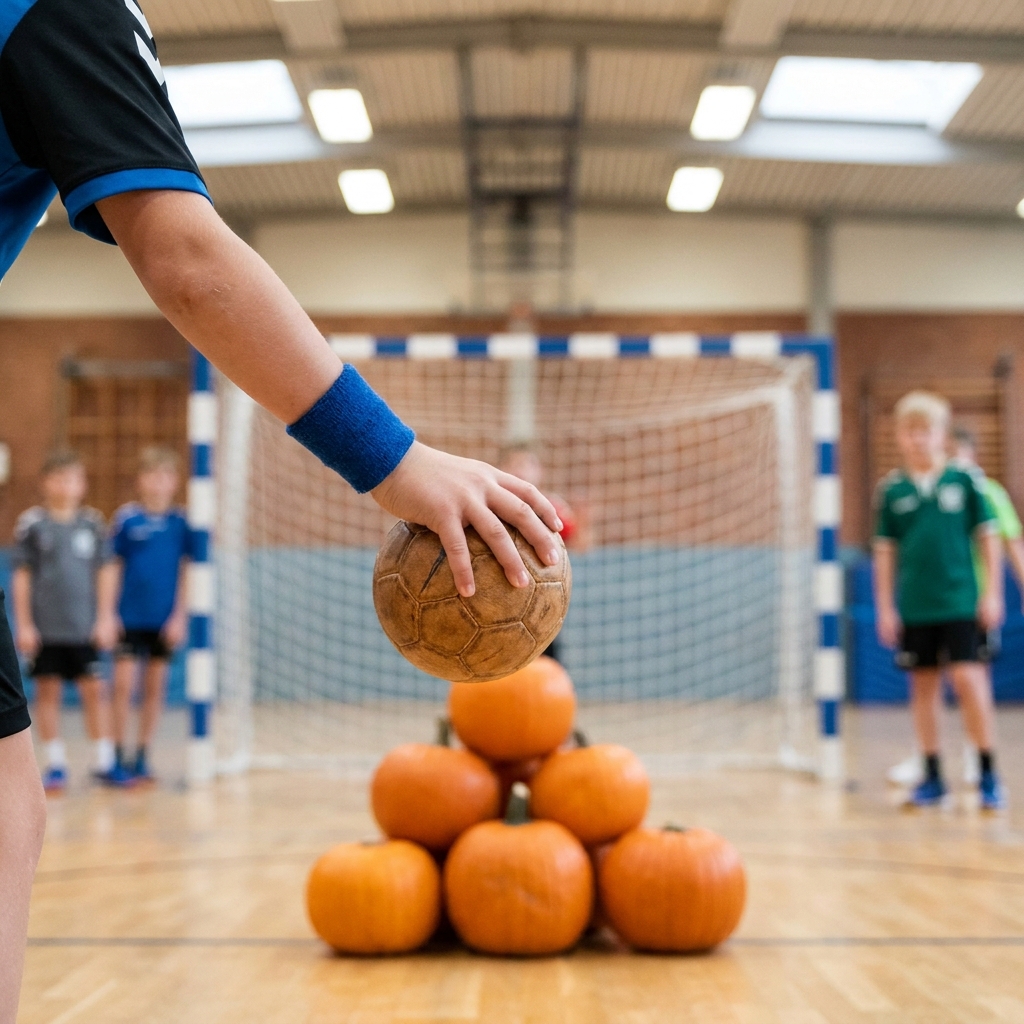
A ready-to-run Halloween handball session for juniors: spooky warm-ups, verified drills and a small-sided game finale.
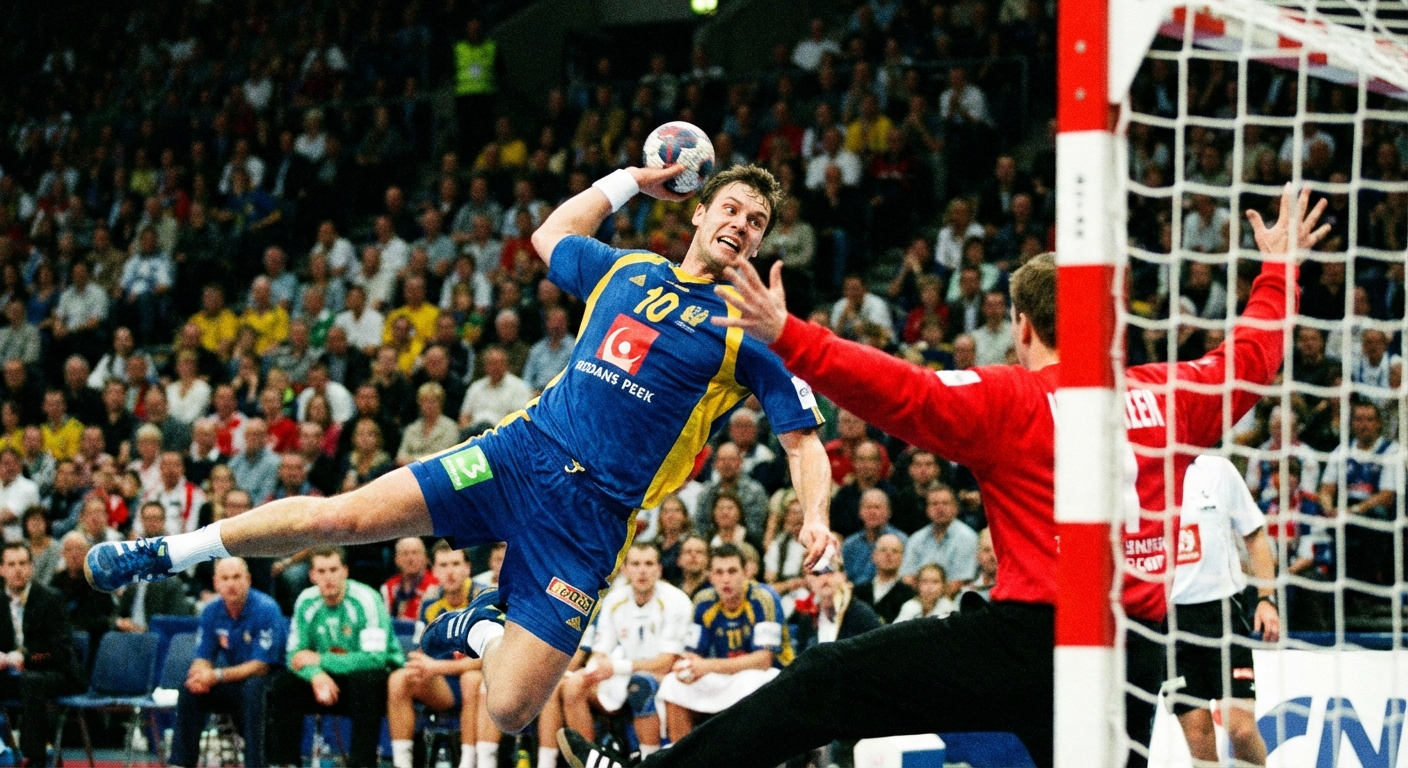
Wing players operate in the most demanding shooting position on a handball court, where acute angles and a close goalkeeper make finishing a specialist skill. This article breaks down the technique, decision-making, and training progressions that coaches need to develop elite wing finishing.


Register for FREE and get coaching tips, top drills, session and more every week!