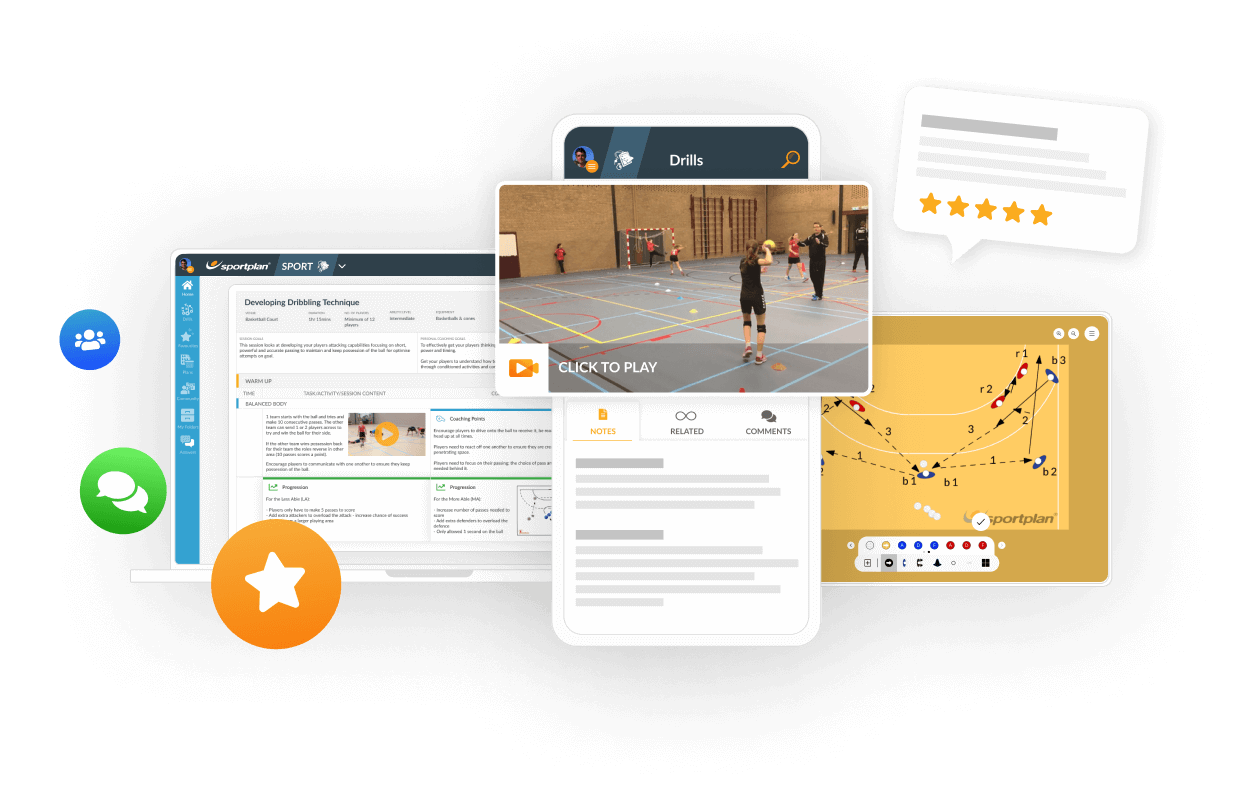
Î Î±Î¼Ï Î½ÏικÏÏ ÏαÏάÏει ÏÏον Τ/Ï ÎºÎ±Î¹ αμÎÏÏÏ Î¿Î¹ δÏο ÏεÏÎ³Î¿Ï Î½ για αιÏνιδιαÏÎ¼Ï - ÏάÏα αÏÏ Î¤/Ï ÎºÎ±Î¹ ÎºÎ¬Î»Ï Ïη αÏÏ Ïον Î±Î¼Ï Î½ÏÎ¹ÎºÏ ÏÎ¿Ï ÏÏαÏαÏε.Îι δÏο Î±Î¼Ï Î½Ïικοί ÏÏÎÏει να αÏοÏÏÎ³Î¿Ï Î½ Ïον δεÏÏεÏο Î±Î¼Ï Î½ÏÎ¹ÎºÏ ÎºÎ±Î¹ να εκÏελÎÏÎ¿Ï Î½ μÎÏα ÏÏα ÏÏια .Îλλαγή ÏÏλÏν
ΠαιÏνίδι με ÏήγοÏο ÏαÏάÏιÏμα και 2:1
This practice has no coaching points
This practice has no progressions
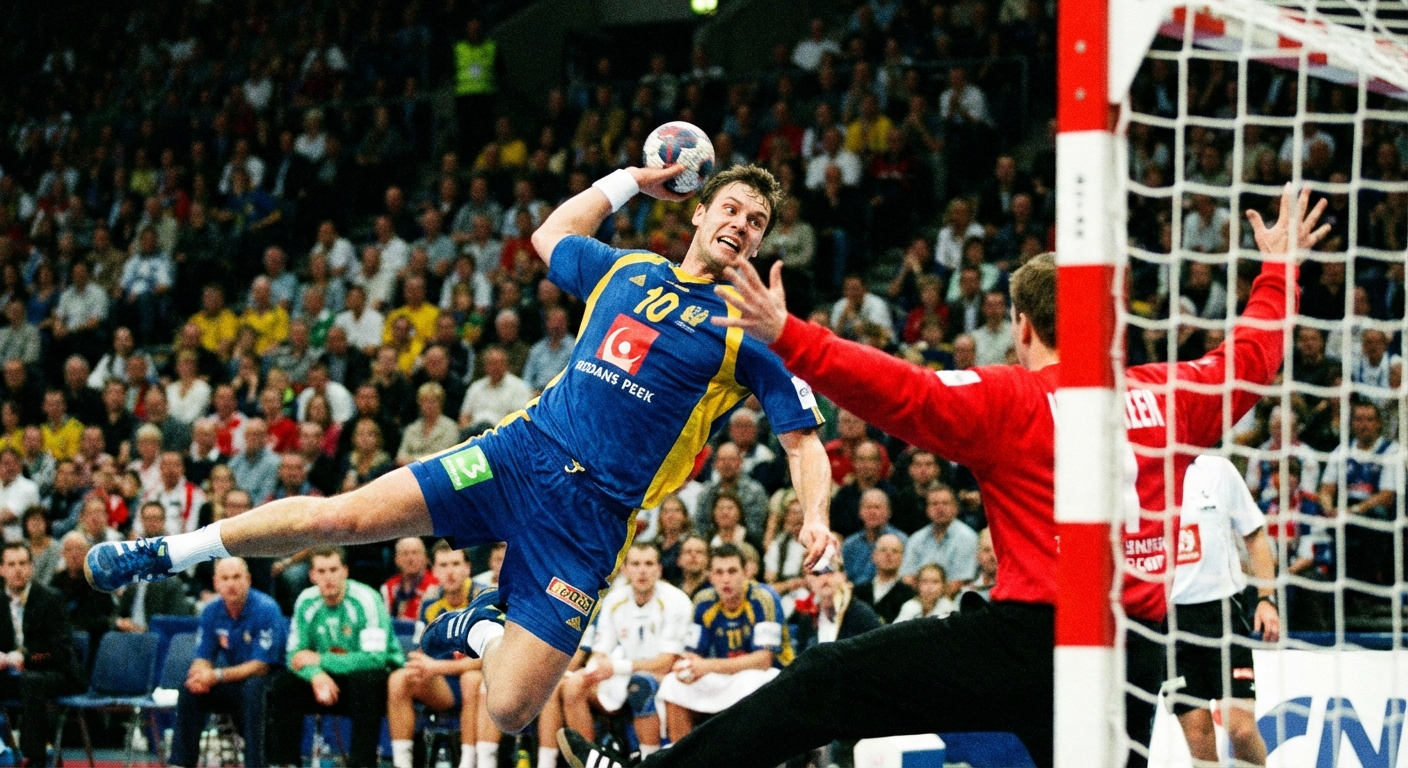
Wing players operate in the most demanding shooting position on a handball court, where acute angles and a close goalkeeper make finishing a specialist skill. This article breaks down the technique, decision-making, and training progressions that coaches need to develop elite wing finishing.
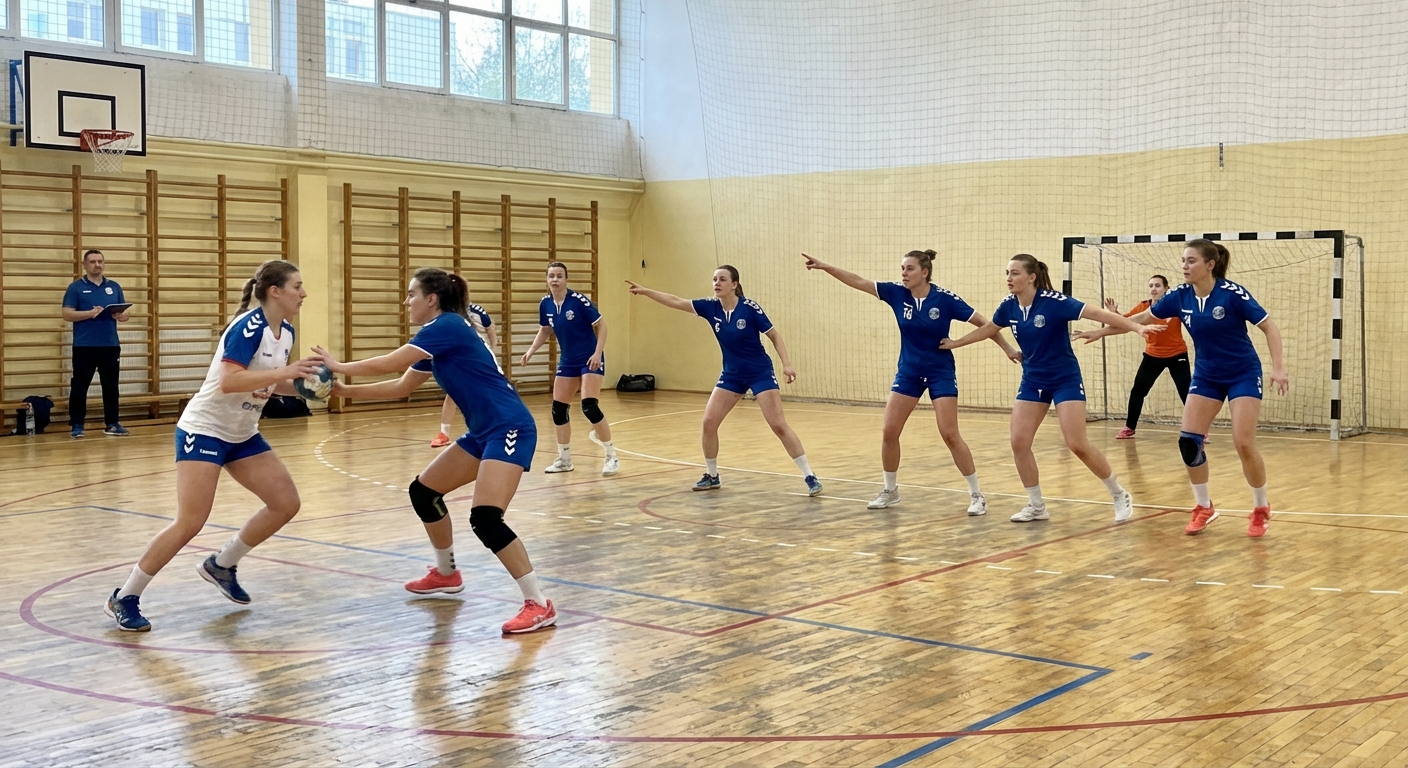
The transition from attack to defence is the most vulnerable moment in handball. This article examines the 3-second recovery principle, the specific roles players must adopt during transition, and the training scenarios that build a team's ability to recover defensive shape under pressure.
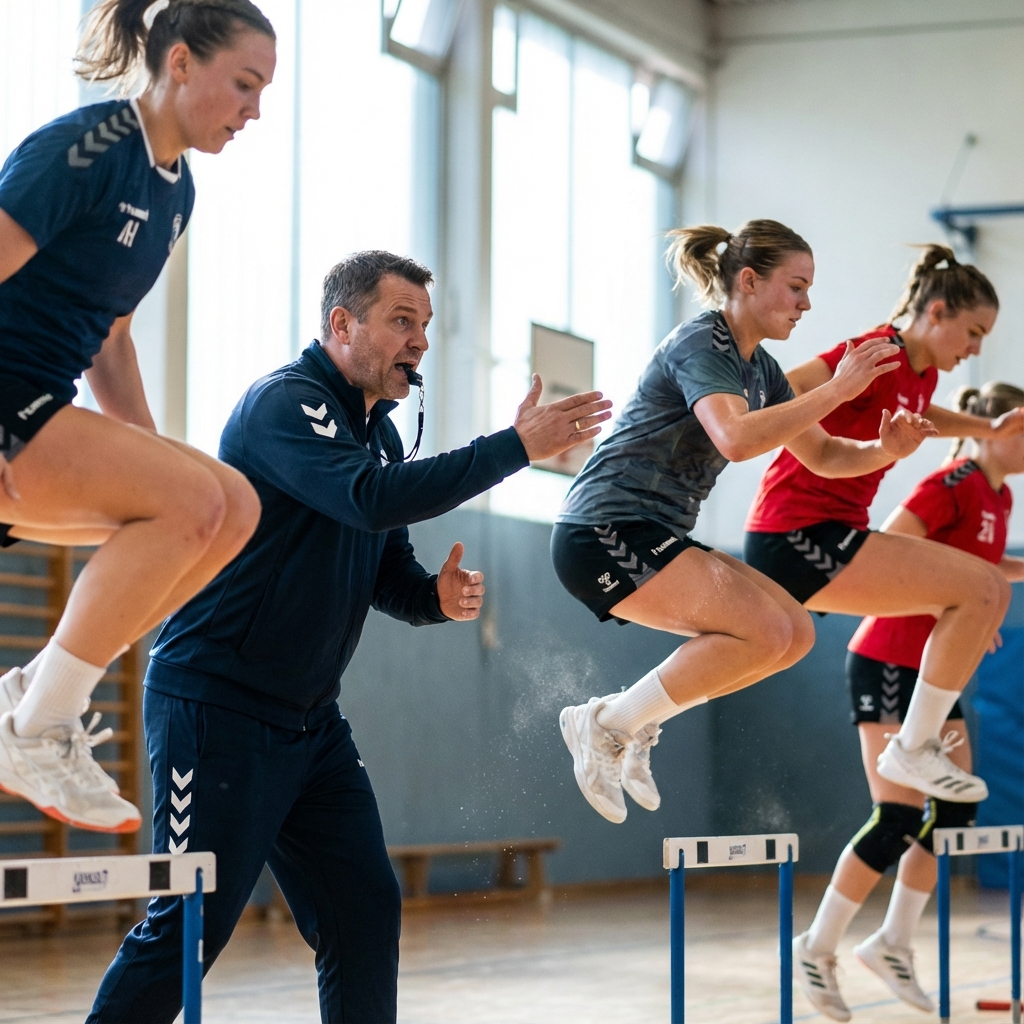
Handball demands explosive power, repeated sprint ability, and the strength to compete physically for 60 minutes. Sport-specific conditioning develops the athletic qualities that underpin elite performance.


Register for FREE and get coaching tips, top drills, session and more every week!