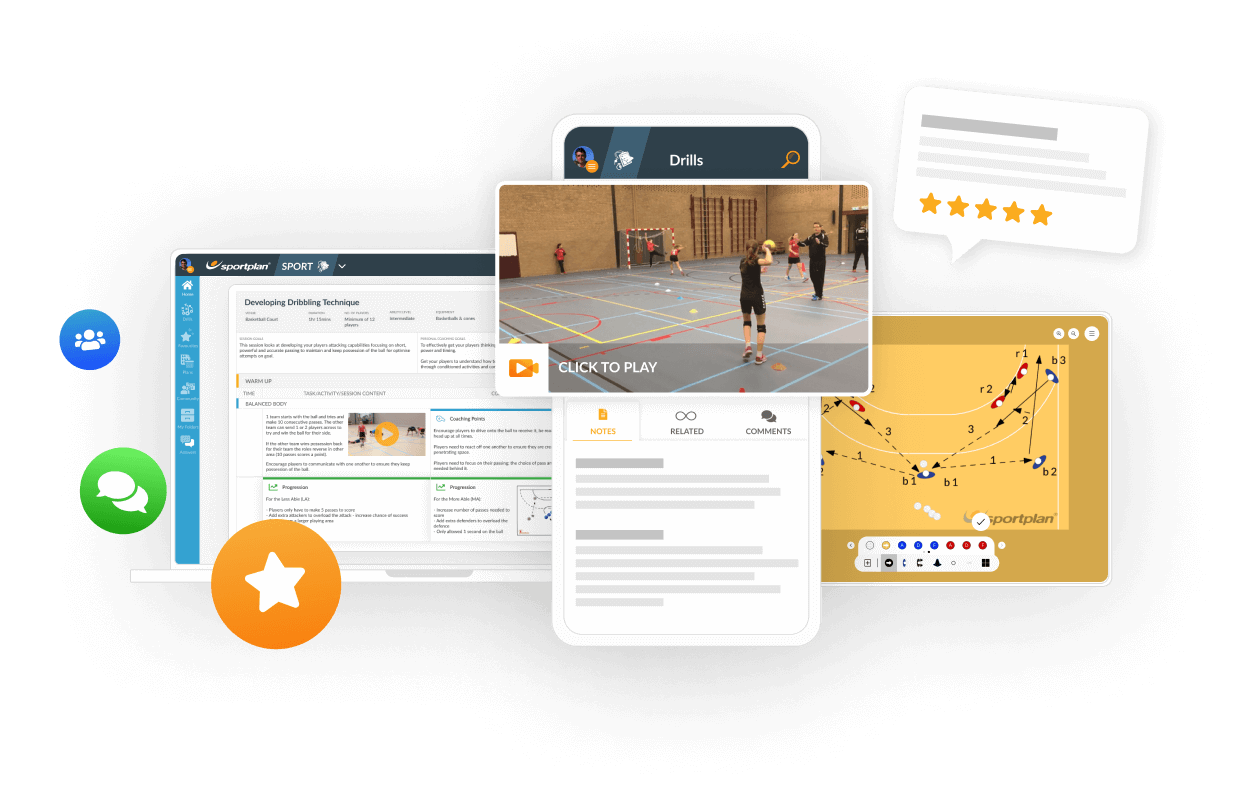
Alla spelare på rad, olika rörelser till halva/hela plan och tillbaka. Gör samma rörelse 2-3 gånger på nytt för att spelarna skall få en bra känsla för övningen. ps. innan detta 5-10 min löpning med olika rörelser (ex. följa jon) för att väcka kroppen.
Ãvning 1: Ta nÃ¥gra löp steg fram, stanna med tyngden pÃ¥ ett ben och hitta stabilitet. Turvist bägge benen. Ãvning 2: Ta nÃ¥gra löp steg fram, o stanna med ett hopp till (nollsteg) jämfota. Hitta stabilitet. Ãvning 3: Skrinkohopp, hitta stabilitet innan nästa hopp. (inte allt för lÃ¥ng stäcka) Utför även backlänges. Ãvning 4 & 5: Gör om övning 1 & 2 men lägg till ett kraftigt sidosteg Ã¥t bÃ¥da hÃ¥llen och stabilisera inte lika länge. Ãvning 6: Hoppa pÃ¥ ett ben (hitta stabilitet) 2 hopp framÃ¥t och 1 kraftigt hopp Ã¥t sidan. (HHVVHH..)
This practice has no coaching points
This practice has no progressions
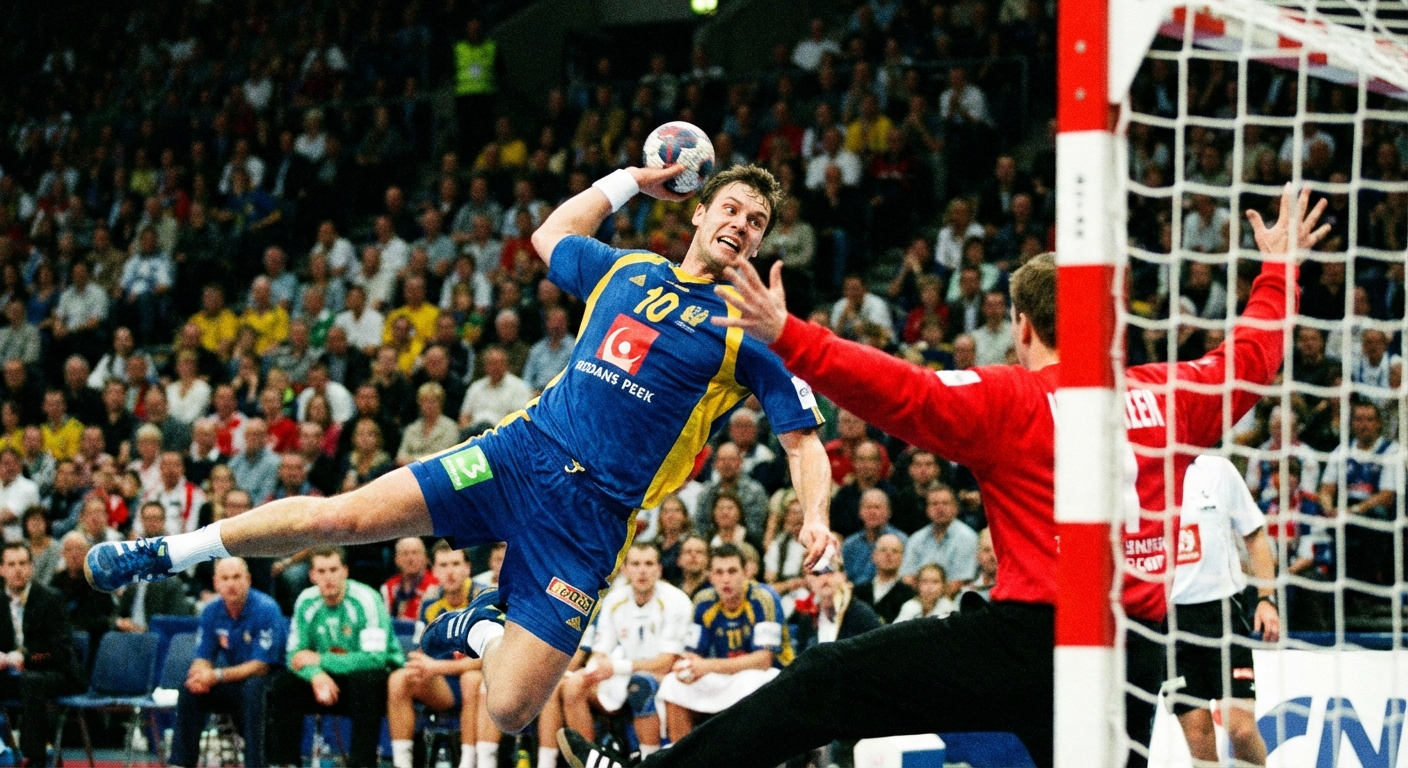
Wing players operate in the most demanding shooting position on a handball court, where acute angles and a close goalkeeper make finishing a specialist skill. This article breaks down the technique, decision-making, and training progressions that coaches need to develop elite wing finishing.
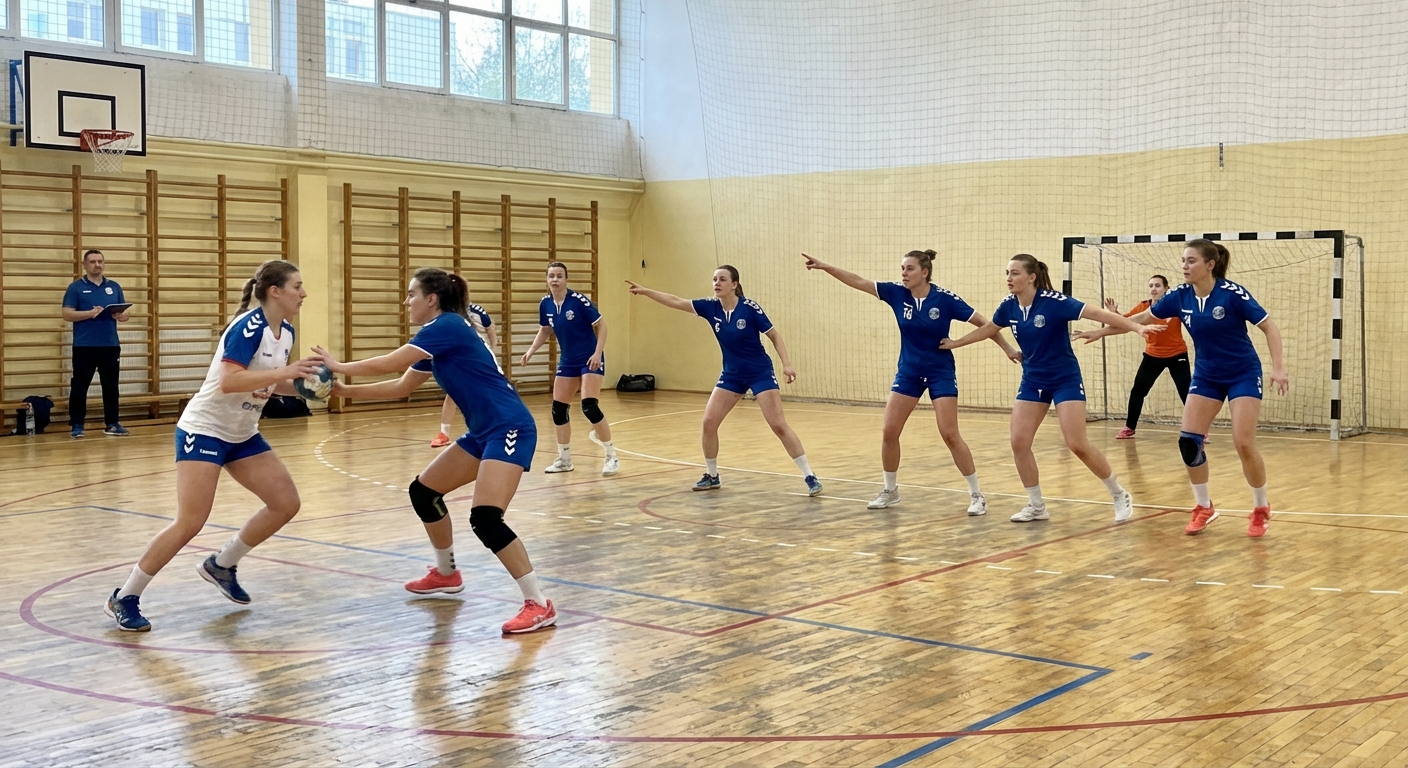
The transition from attack to defence is the most vulnerable moment in handball. This article examines the 3-second recovery principle, the specific roles players must adopt during transition, and the training scenarios that build a team's ability to recover defensive shape under pressure.
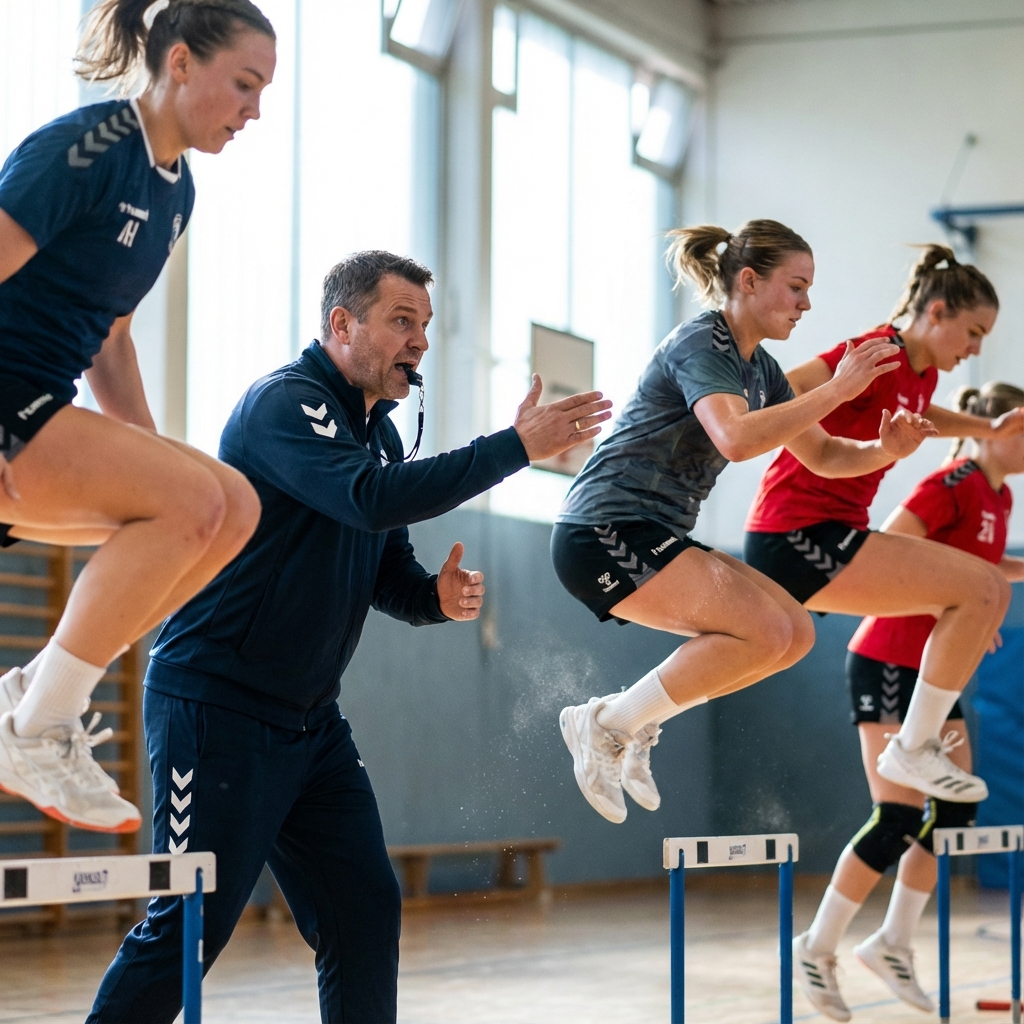
Handball demands explosive power, repeated sprint ability, and the strength to compete physically for 60 minutes. Sport-specific conditioning develops the athletic qualities that underpin elite performance.


Register for FREE and get coaching tips, top drills, session and more every week!