We do this in two groups. 4v4 or 5v5 depending how many players we have.
We start from gk where we have 3v2 (or 4v3 if we play 5v5). Other zone we have 1v1. White team tries to break from under pressure. One(or two) white can join attack, also one (or two) yellow must follow his own player. White player can break to next zone by driving the ball or by passing it to attacker.
Coaching points(individual): Protecting the ball while driving (use the leg further away from opponent), protect the ball when receiving it (know your surroundings, use correct foot, orientate the ball to favorable direction), do not force play forward (who has best chance to adcance, drive or pass?), change your intentions with ball (if driving is not option anymore, turn and pass. Do not get locked to one solution)
Coaching points (collective): When attacking, use whole width of the field, Keep the ball moving to open up more spaces and get defending team unbalanced (use numerical superioirity)
When defending close the center (prevent through passes), know your own player (move to press when ball moves),
in more ways than one
 sportplan_netball

in more ways than one
sportplan_football
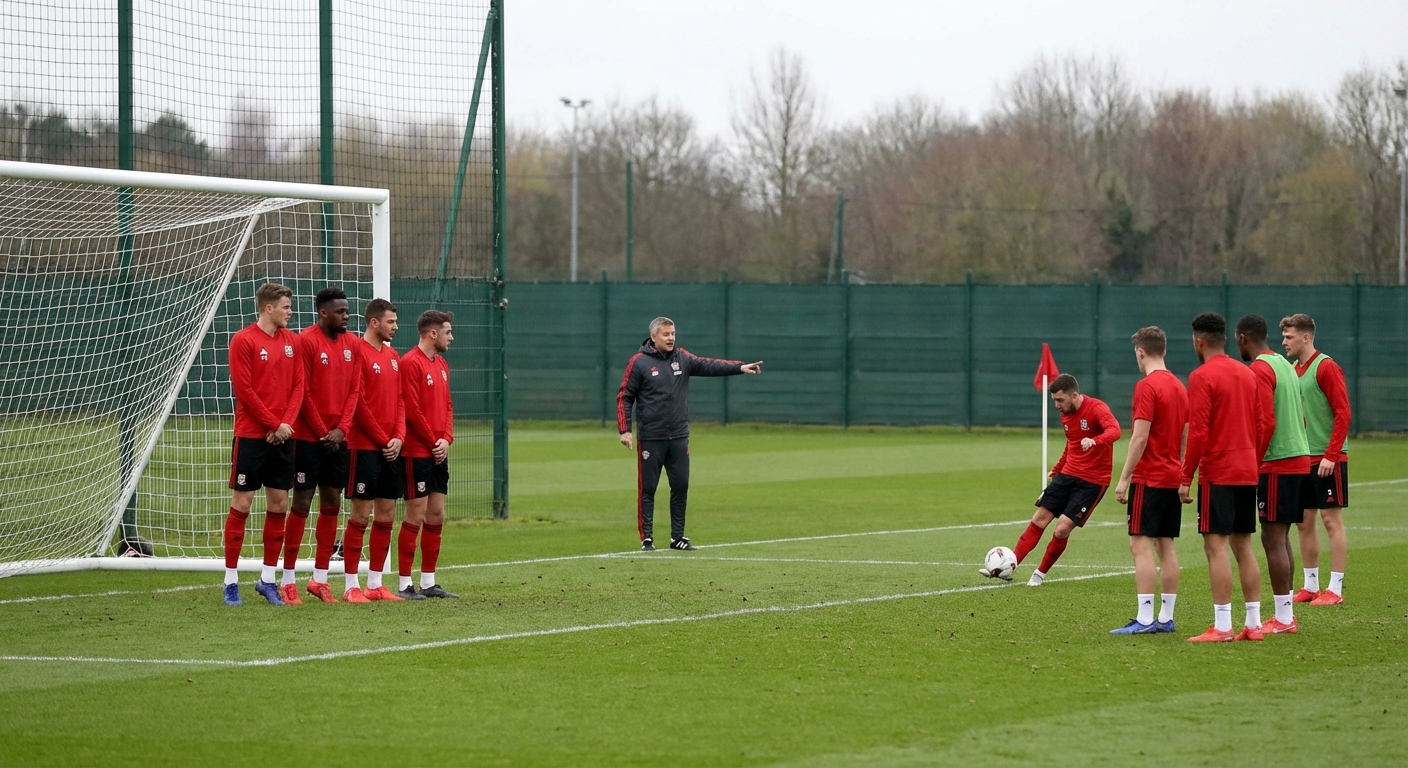
Set pieces account for roughly a third of all goals in football, yet many coaches spend surprisingly little time coaching defensive organisation at corners and free kicks. This article compares zonal and man marking systems, explores hybrid approaches, and provides a practical session structure for building set piece resilience into your team.
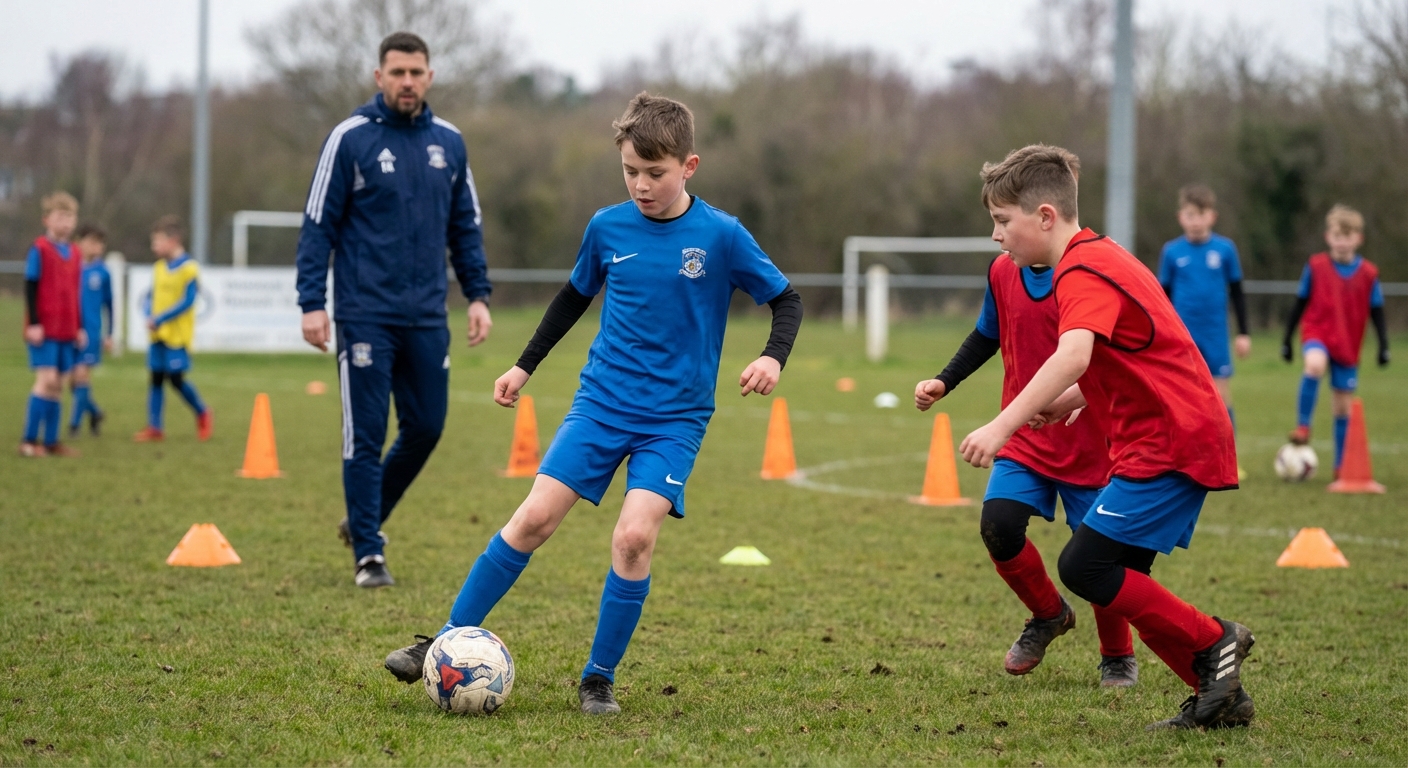
A player's first touch determines everything that follows: whether they can play forward, turn, or simply retain the ball. This article explores why training first touch in isolation is not enough, and how to design sessions that develop this critical skill under realistic game pressure.
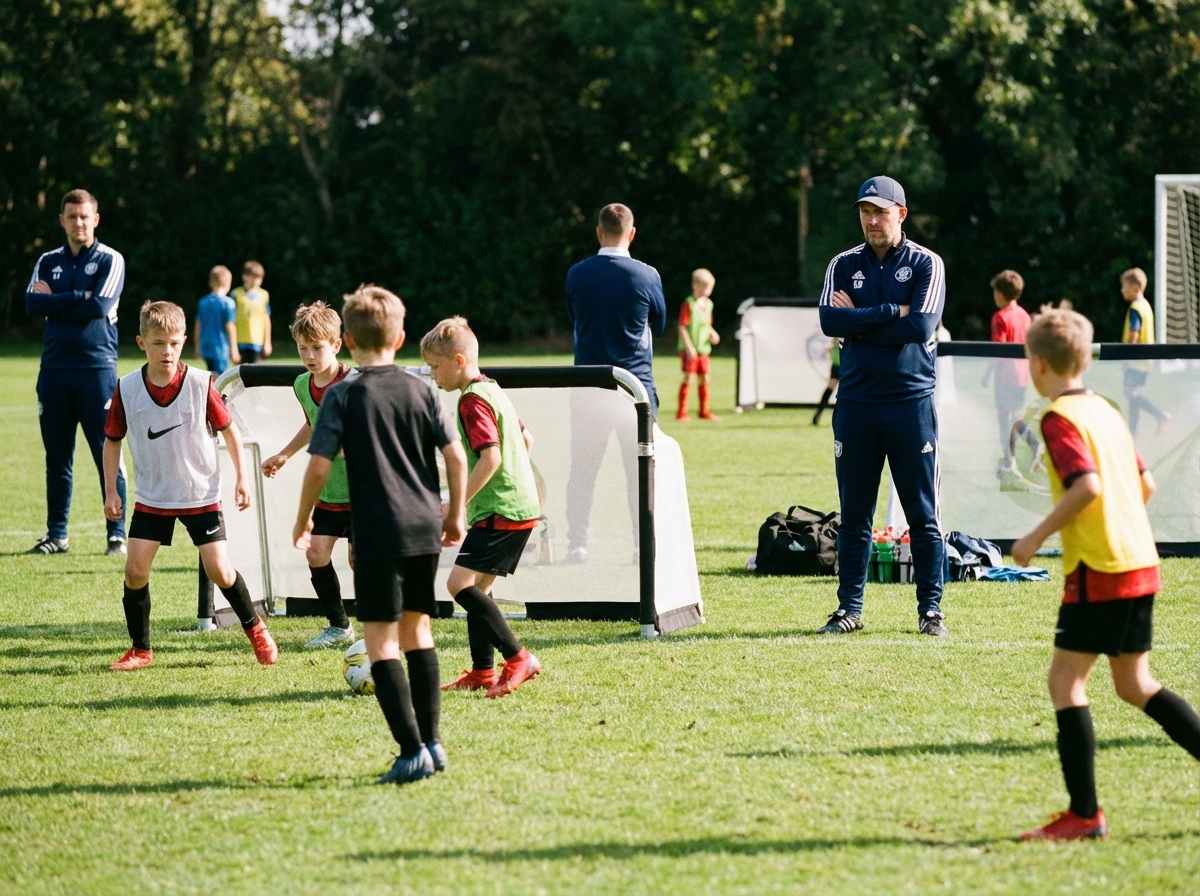
The coaching methodology revolution sweeping grassroots football - and how to implement it at your club this season.