Grid 15x15M, ball each player, 3 different coloured conee, half of each colour face upwards (normal position) and three of each colour face down.
Game:
On command all the players dribble into the area and go to the cones.
They either turn their own colour the right way up and/or turn the other two colours upside down.
This helps them learn how to dribble in a congested space, dribble at speed and keep the ball under close control.
Then shout “Stop. Compound.”
The players pick up their own ball and run back into a compound, which is a coned-off area alongside the main playing area.
The cones are then counted.
Each team is given two points for every one of their own cones that is the right way up. Then deduct one point from the team whose final player is last to get back to the compound.
in more ways than one
 sportplan_netball

in more ways than one
sportplan_football
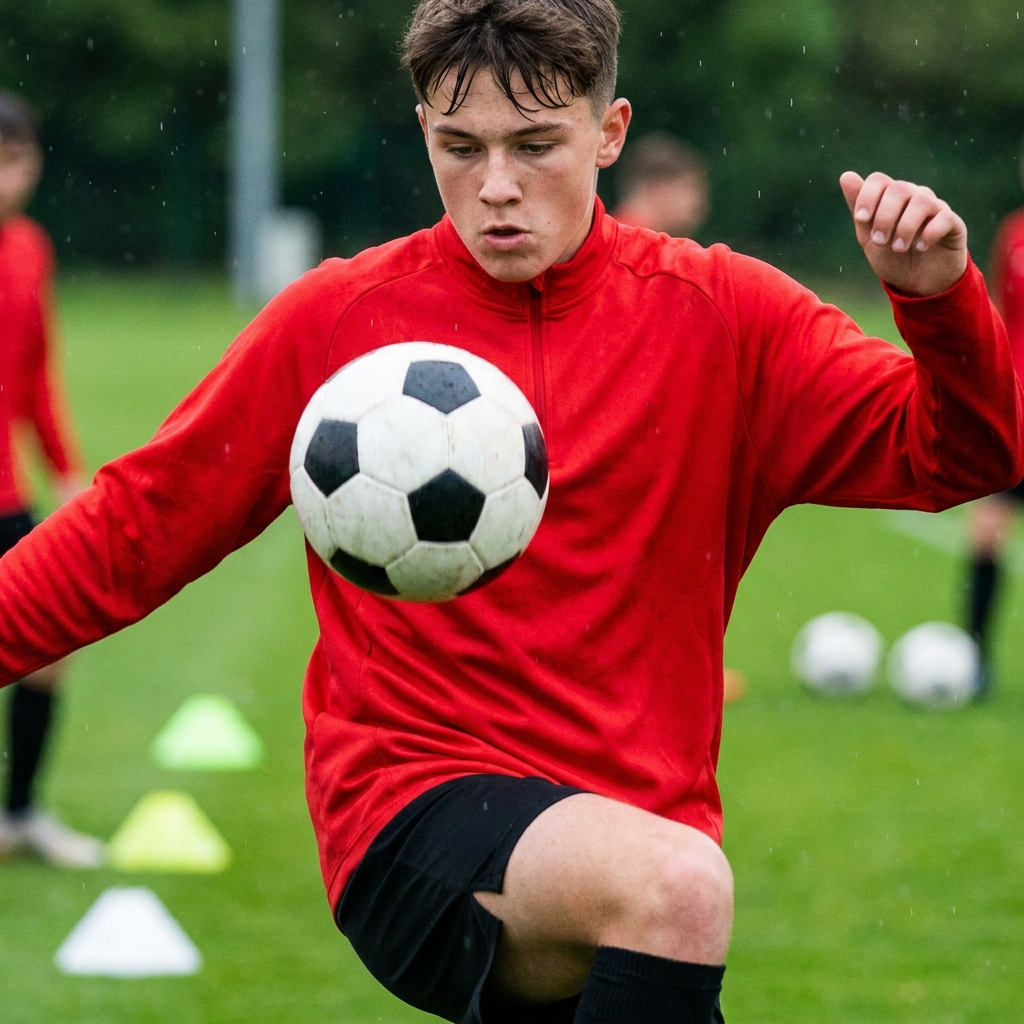
Deliberate heading is now out of U11 grassroots matches. Here is how to coach chest, thigh and foot control so your players still win the ball in the air.
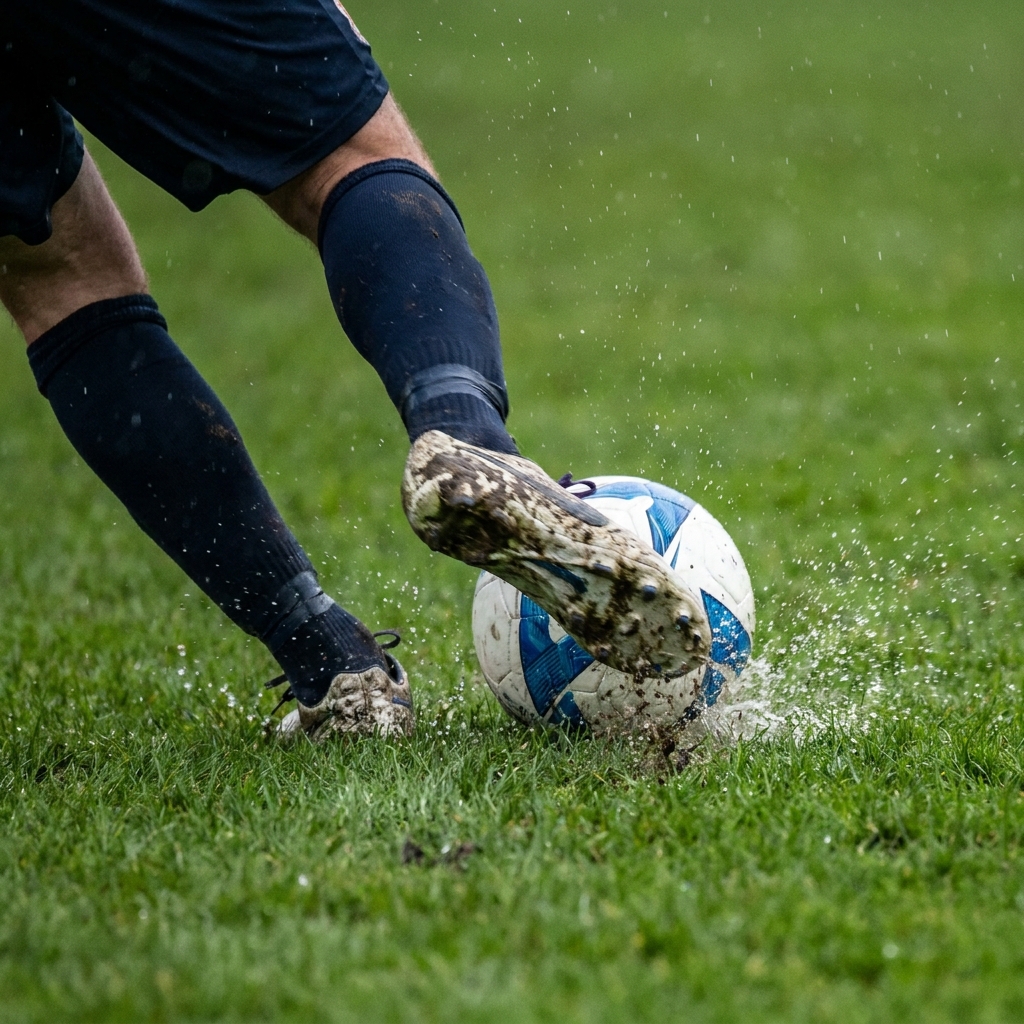
Long-range goals doubled at the 2026 World Cup as teams sat deep. Here is how to coach when to shoot from distance, the technique, and the follow-up.
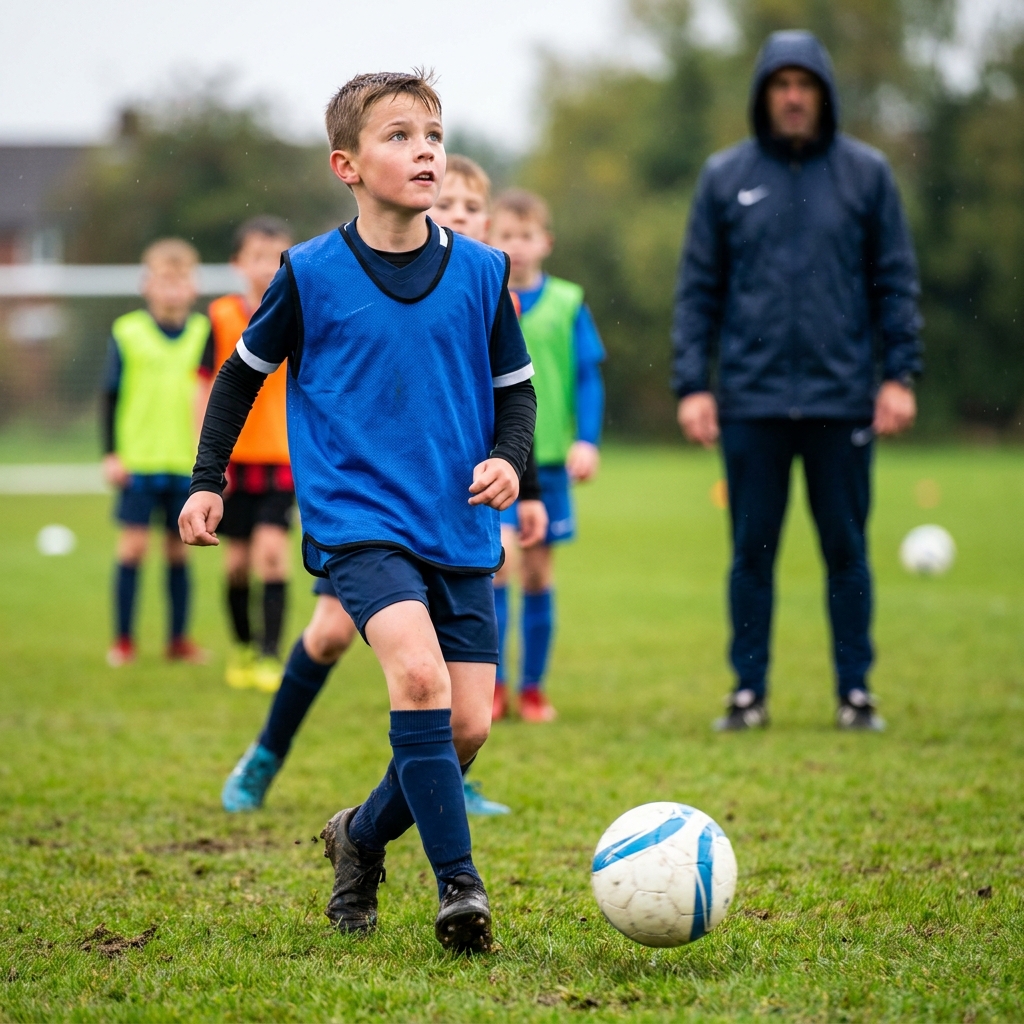
Under FutureFit, your Under-9s stay at 5v5, your Under-11s stay at 7v7 and your Under-13s stay at 9v9. Same pitch, same numbers, one more year. Here is how to make sure that year feels like a step forward rather than a repeat.