Time: 10’
Space: 50’*50’
Number of Players:
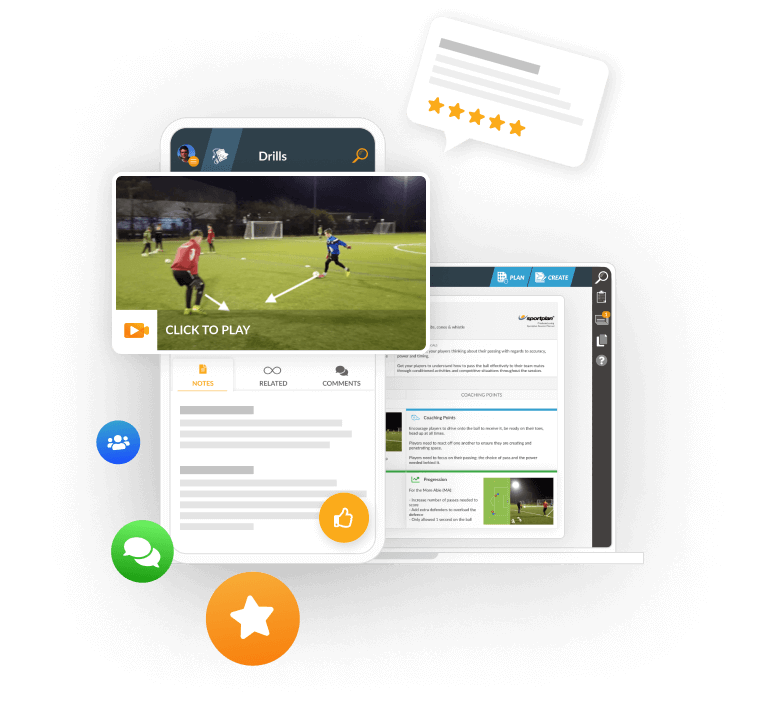
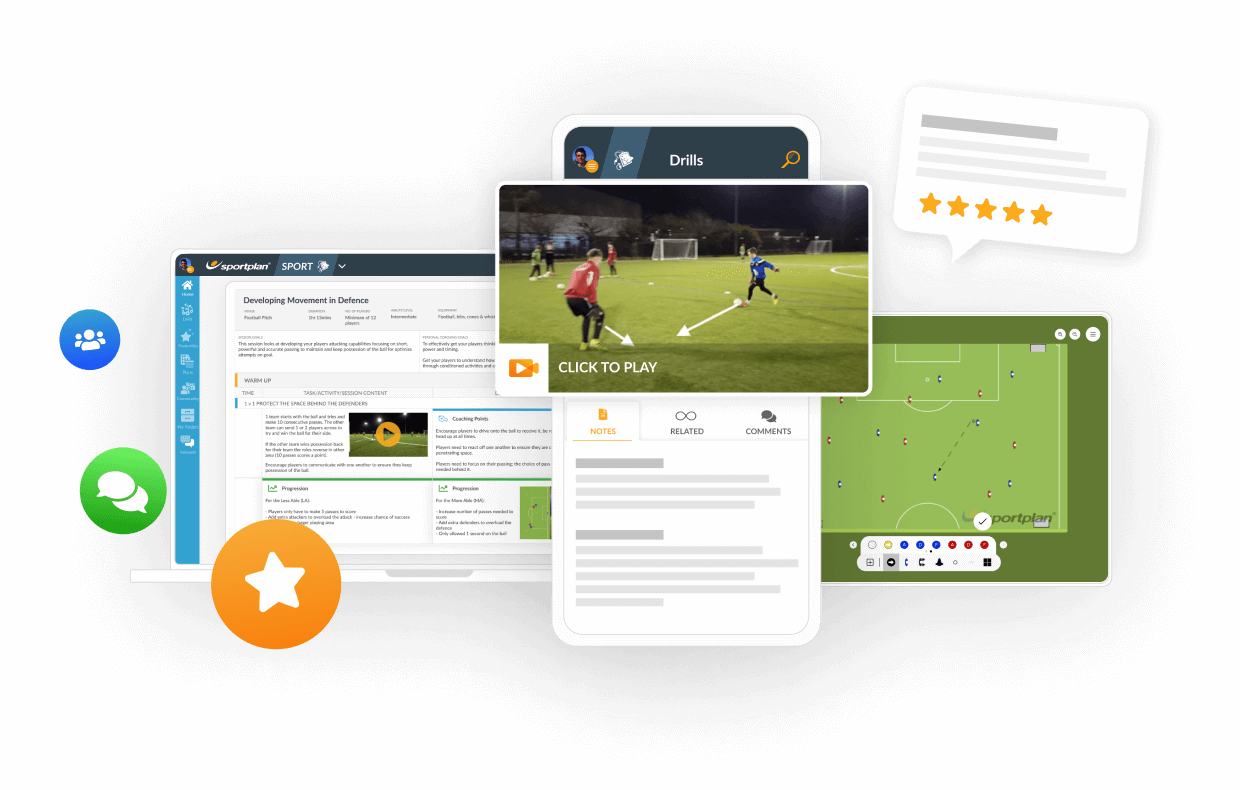
Activity: Yellow team has possession, and needs to make AT LEST 4 passes before connect to the Red team, while White team tries to get possession back, if they do they can attack net on middle field line.
After connecting the pass with Red team (placed on Second half) the play is performed at 1 touch only and yellows can join, NO defenders.
If they score, Red start with the ball on the big net against White.
EVERY 3 GOALS, REDS BECOMES WHITE, WHITE BECOMES YELLOW AND YELLOW BECOMES RED.
- Always try to receive the ball looking forward.
-Avoid risky passing, if we cannot progress, we rotate the game until Space shows up again.
-Identify the Space
-Pass the ball into Space (playing forward), if we cannot break lines, change the center of the game to take opponents out of position.
-When defending we need to block Passing lines and force the pass to the sides or back.
-When in possession, if we don't have Space in Depth to attack, needs to be in position to play back (for 3rd man run, or shoot).
in more ways than one
 sportplan_netball

in more ways than one
sportplan_football
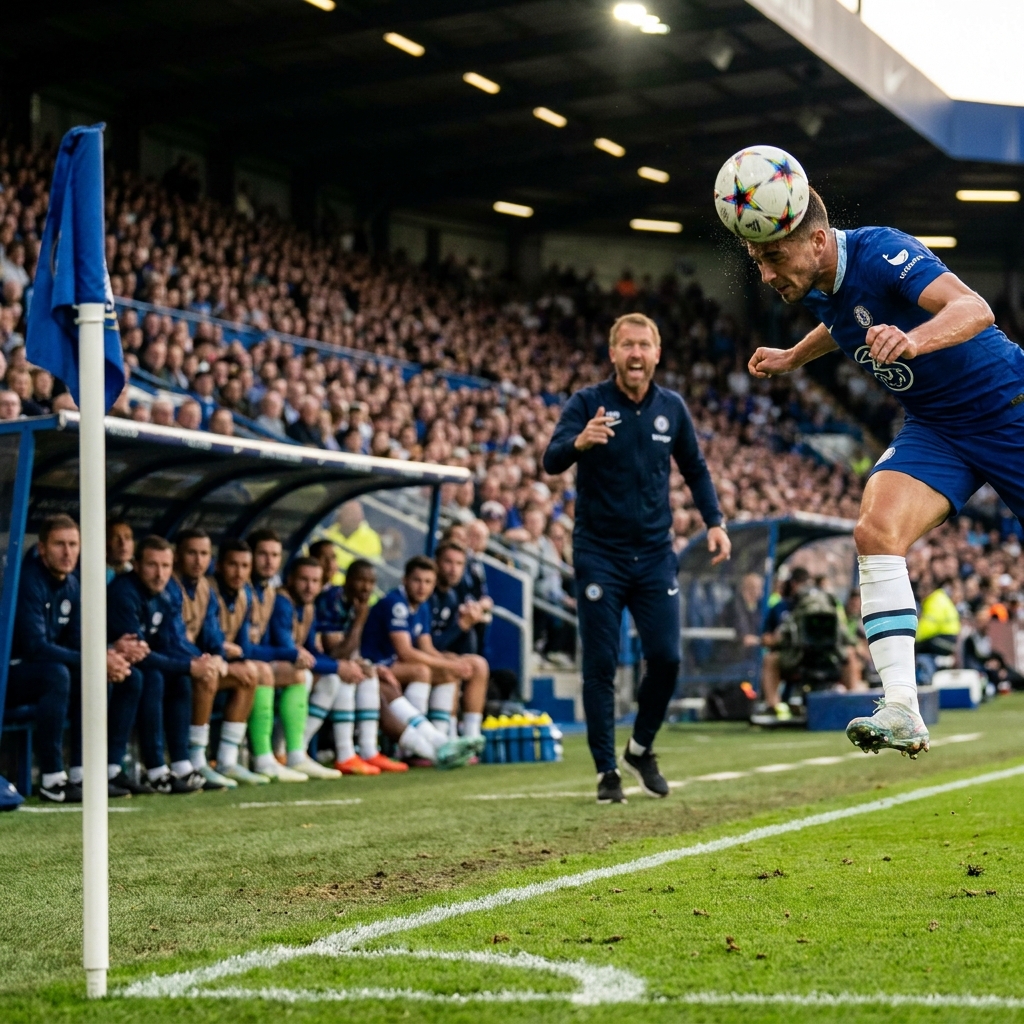
Roughly a fifth of Premier League goals come from set pieces, and the gap between teams who plan their routines and teams who do not has never been wider. Here is how the modern set-piece specialists design attacking corners, free kicks, and throw-ins - and how you can apply their ideas at any level.
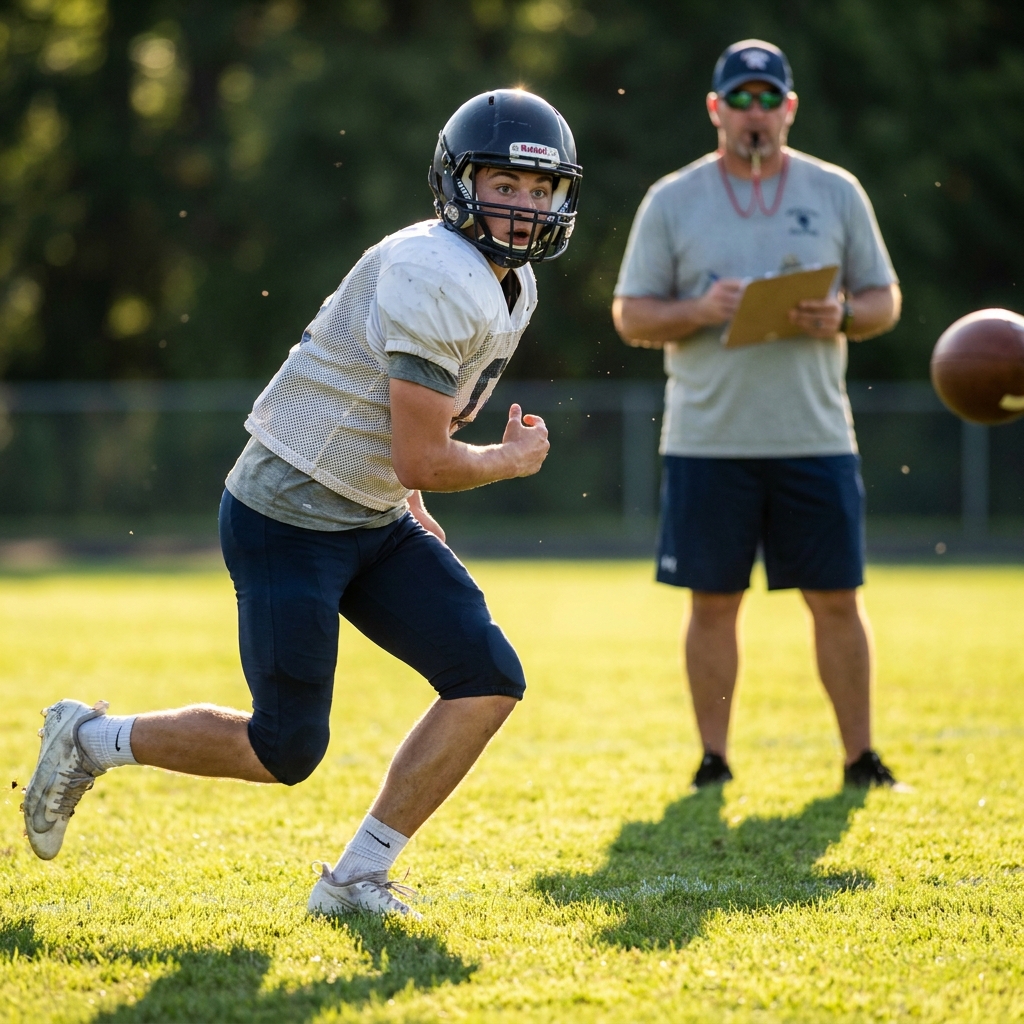
The next frontier in football coaching is not physical, it is mental. Cognitive load training - the deliberate use of perception, decision-making and dual-task demands inside football drills - is reshaping how the best academies develop players. Here is what it means and how to use it.

If the last decade taught us about pressing, this one is teaching us about what stands behind it. Rest defence is the shape your team holds while attacking, and it is the difference between dominating a game and getting picked off on the counter.