3 x Servers (blue)(2ndphase red)(3rd phase yellow), 1 Goalkeepeer (black). Servers have a ball each.
Goalkeeper must move between servers in an arch side stepping and not crossing his feet.
1 server rolls the ball along the floor(blue)
1 throws the ball waist height(red)
and the final server(green) throws the ball just above the goalkeepers head forcing the goalkeeper to jump for it.
This drill embraces all the moves a goalkeeper will be performing on the day and is a drill which is simple to set up.
I always get the parents involved on this one as it's not complicated and is easily explain thus allowing me to observe and spend time with everyone else.
Things to watch out for would be
i) Goalkeepers positioning - He should be facing the ball square on - chest out.
ii) Feet - A lot of goalkeepers especially at a young age tend to cross over their legs as they are moving, you need to stamp this out as it can cause them to trip as they turn.
iii) It introduces them to jumping in a softly, softly way and before long it will become automatic
iii) It also makes them aware of the amount of space which they are being asked to cover.
once my goalkeeper mastered this drill he was soon realising the amount of space he was being asked to cover and was calling the defence back to help out, which was the intention all along.
Best of luck!
Jay Britton
Highridge Sports JFC.
in more ways than one
 sportplan_netball


in more ways than one
sportplan_football
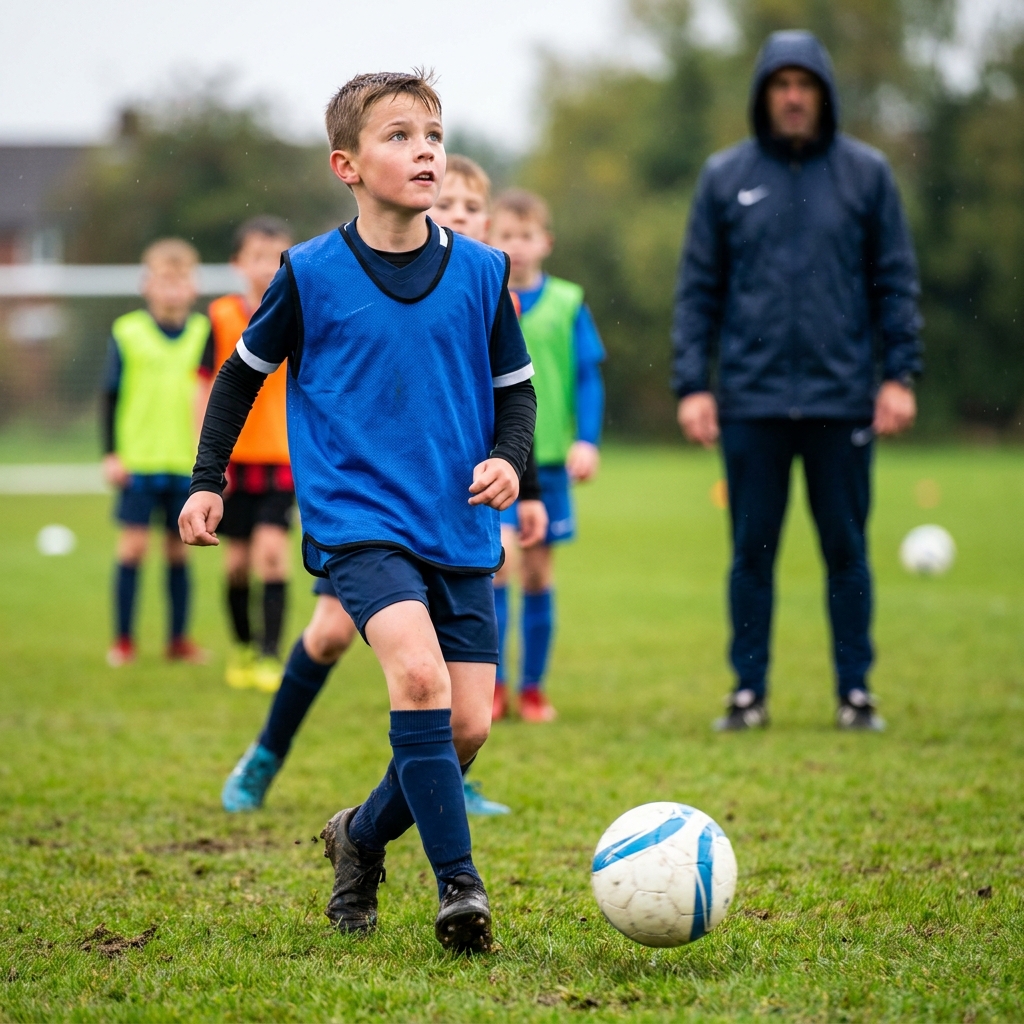
Under FutureFit, your Under-9s stay at 5v5, your Under-11s stay at 7v7 and your Under-13s stay at 9v9. Same pitch, same numbers, one more year. Here is how to make sure that year feels like a step forward rather than a repeat.
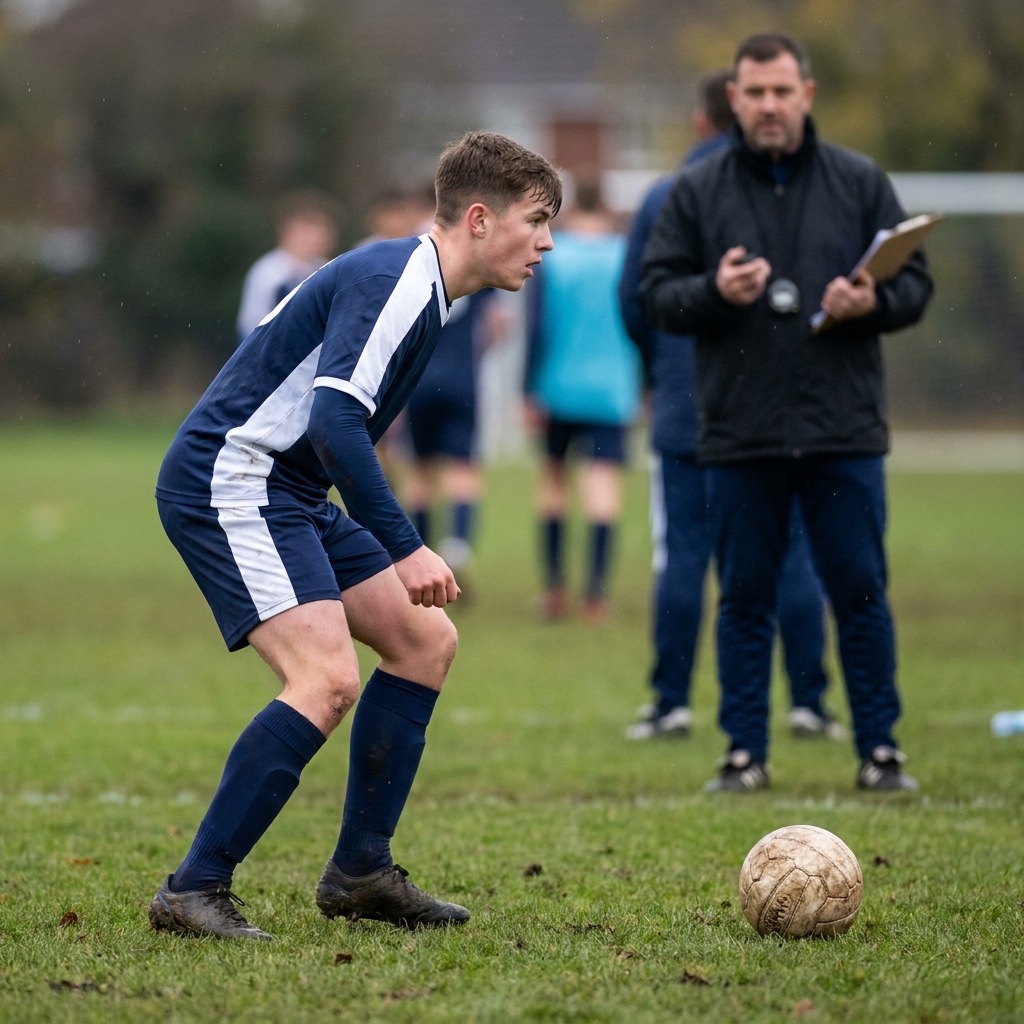
Most 1v1s are lost in the first second, when the defender rushes in and dives. Teach your players to slow the attacker down, take away the dangerous option and pick the right moment, and they will win far more of them.

The FA's FutureFit framework lands this season, bringing a 3v3 entry format at Under-7s. Here is what actually changes on a Saturday morning, and how to coach it well.