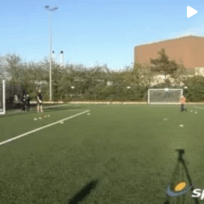
The player are split into two groups with the blue players standing behind the black cones whih are placed roughly inline with the goal post and the red group are lined up behind the white cones which are placed out wide on the wing.
A member of the red team start with the ball and dribble around the white cones while at the same time a blue player runs around the black cones without a ball
When the red player gets past the last cone he plays the ball into the blue player who has a maximum of two touches before shooting.
The blue player then collects the ball and joins the line behind the white cone and the red player then joins the line behind the black cones.
The players must time their runs/ dibbles so the two players are working together and arriving at the end of the cones at roughly the same time.
The idea of this drill is to help with timing runs correctly without the ball.
It helps promote wide play, team work, dribbling, timing runs, crossing the ball and shooting.
It can also help with goal keeping.
To make it more differcult a defender (or two) could be intruduced to defend the goal.
The black cones could also be moved out wide so the attacking player must run into the box from a wide position.
in more ways than one
 sportplan_netball

in more ways than one
sportplan_football
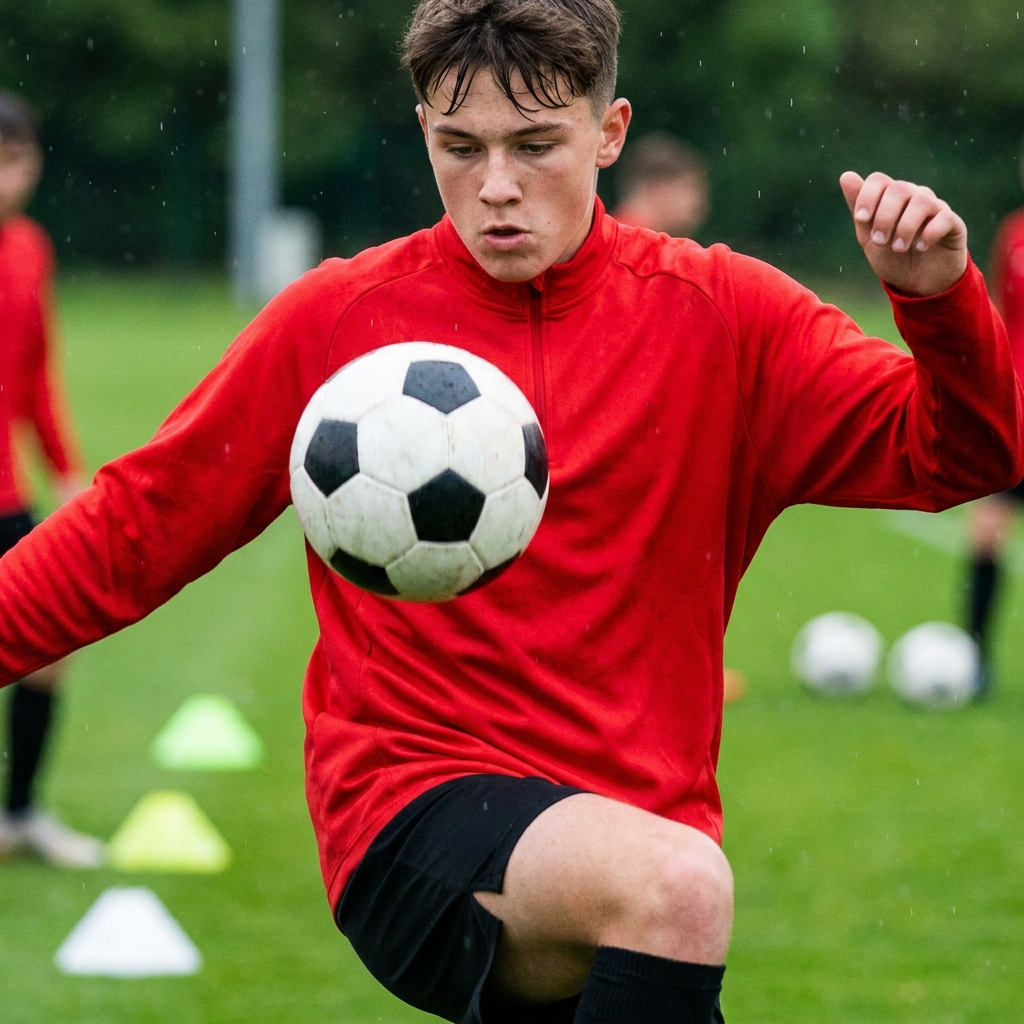
Deliberate heading is now out of U11 grassroots matches. Here is how to coach chest, thigh and foot control so your players still win the ball in the air.
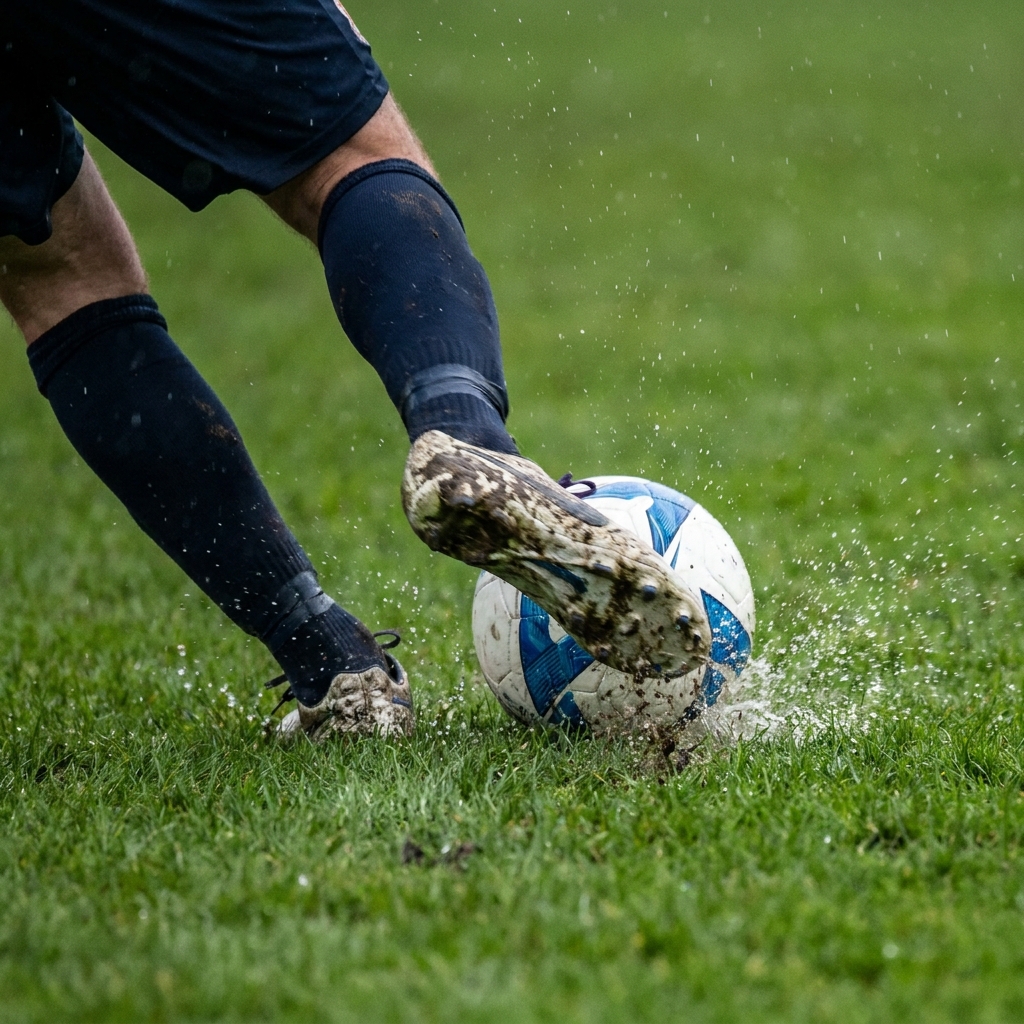
Long-range goals doubled at the 2026 World Cup as teams sat deep. Here is how to coach when to shoot from distance, the technique, and the follow-up.
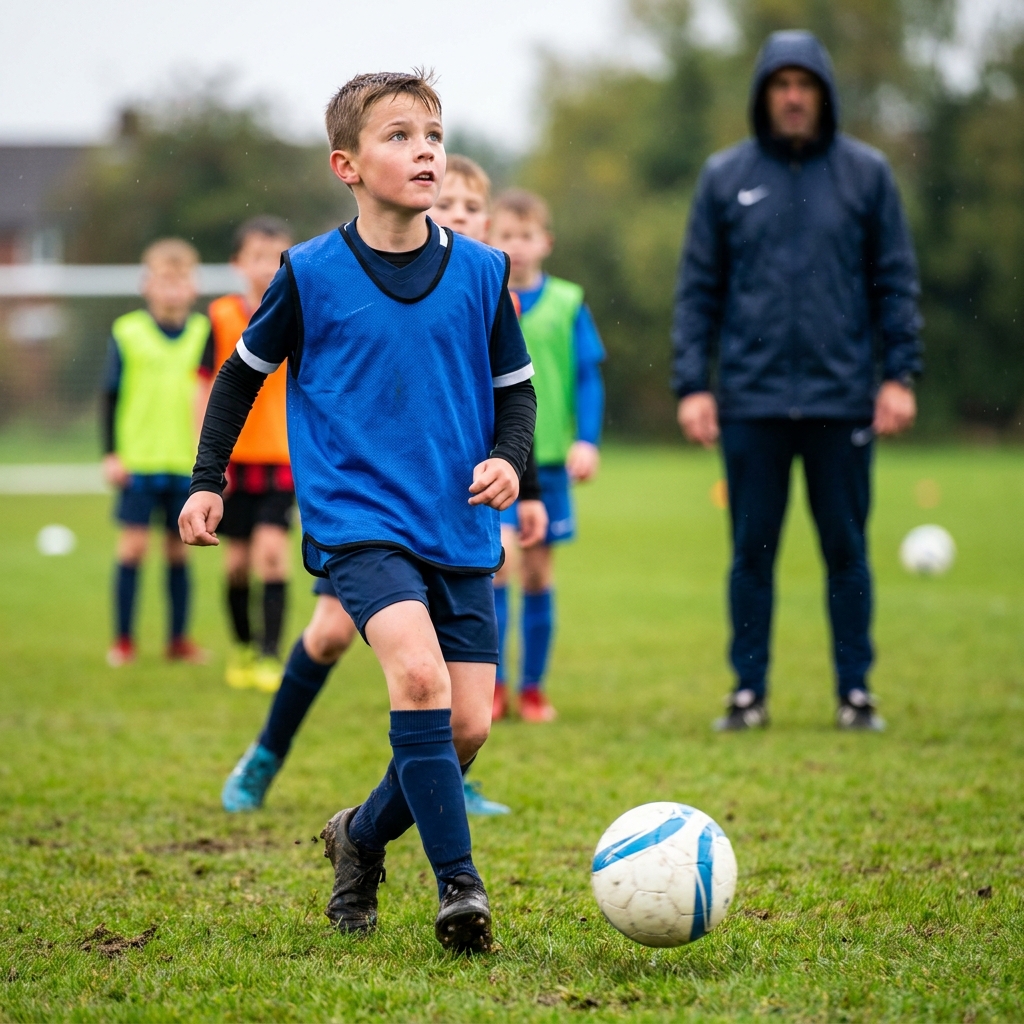
Under FutureFit, your Under-9s stay at 5v5, your Under-11s stay at 7v7 and your Under-13s stay at 9v9. Same pitch, same numbers, one more year. Here is how to make sure that year feels like a step forward rather than a repeat.