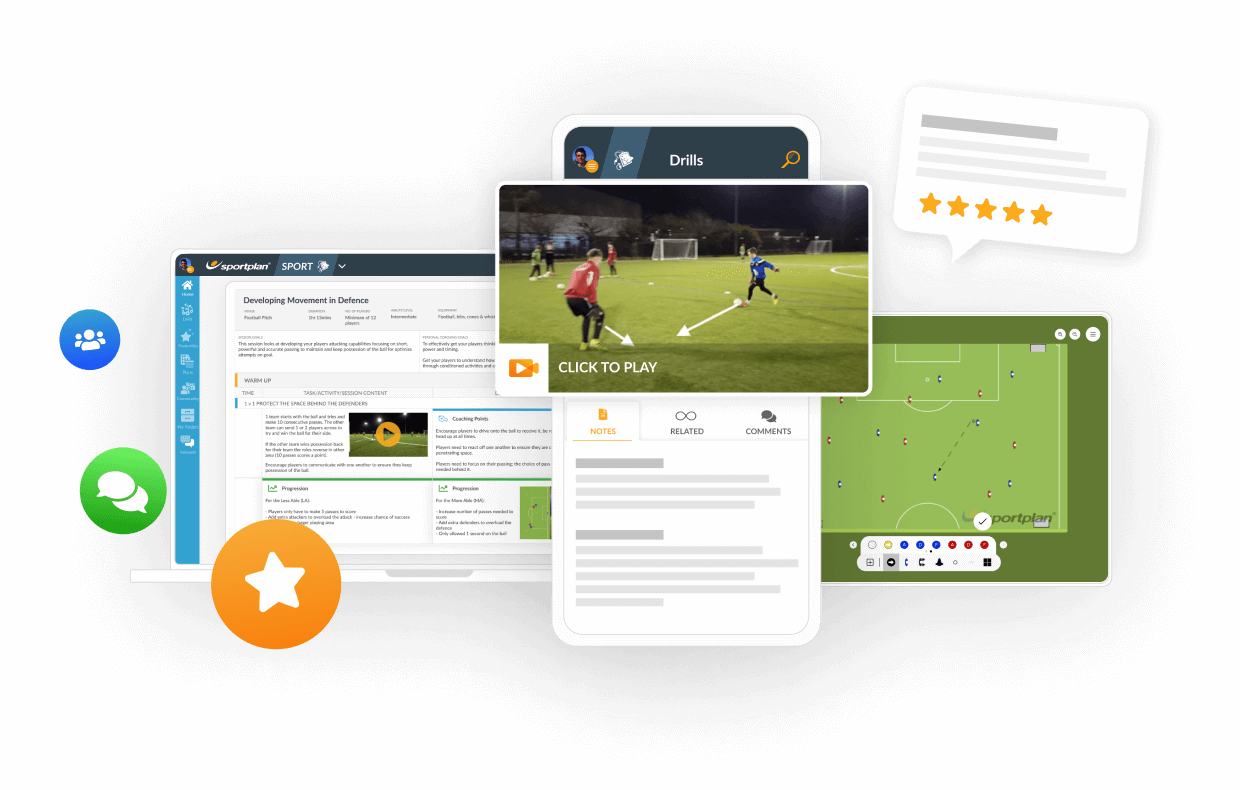
the aim of the drill is to improve players passing and possession based skills (passing, recieving the pass, communication, coordination)
start play with the goalkeeper, play the ball to one of the players to start the possession movement. focus the play on keeping the passes short, and contolled, making sure they are powerful enough and accurate too.
encourage players to imagine they are in a game situation, and that they must play the pass quickly to avoid being intercepted.
PROGRESSION:
*intergrate defenders into the drill if you have a large group of players (alternatively reduce the number of attacking players and the size of the pitch)
*add goals to create a game situation for the players to carry this style of play into a game situation.
in more ways than one
 sportplan_netball

in more ways than one
sportplan_football
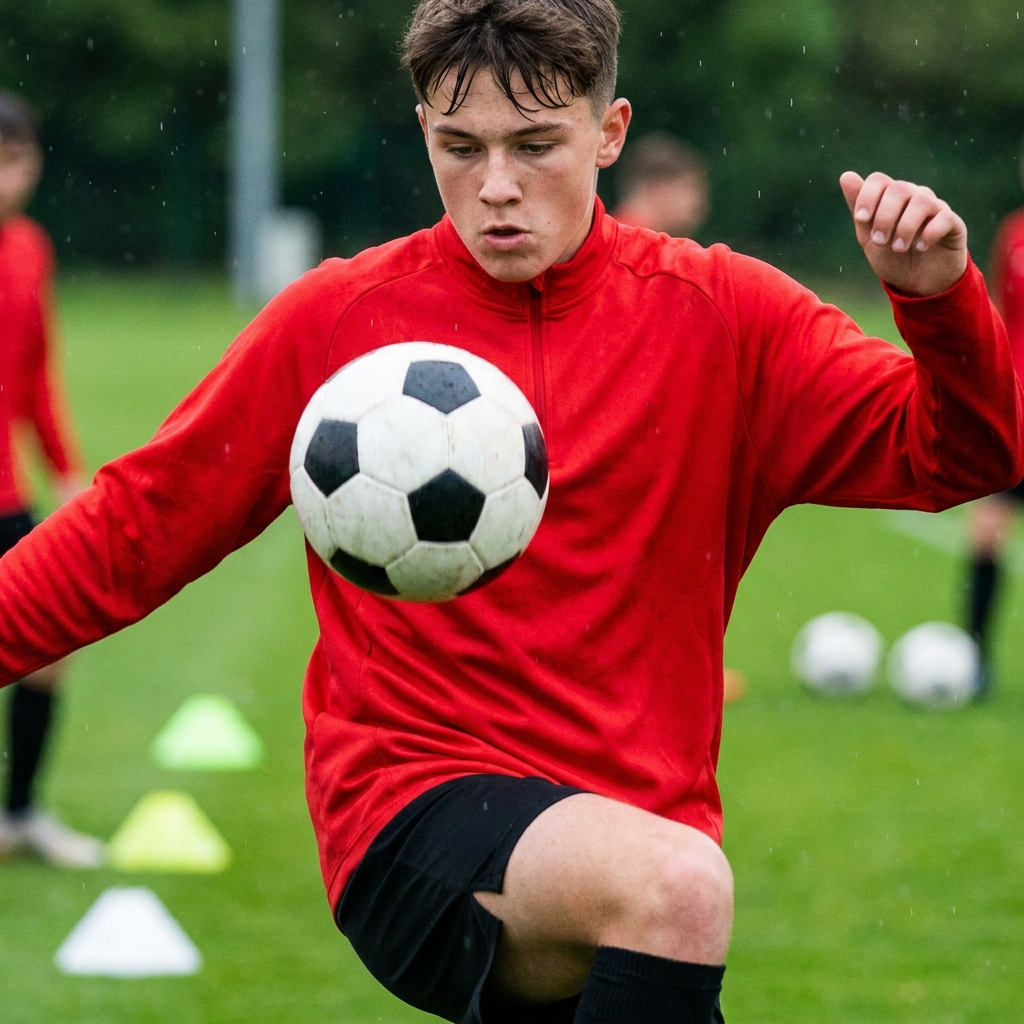
Deliberate heading is now out of U11 grassroots matches. Here is how to coach chest, thigh and foot control so your players still win the ball in the air.
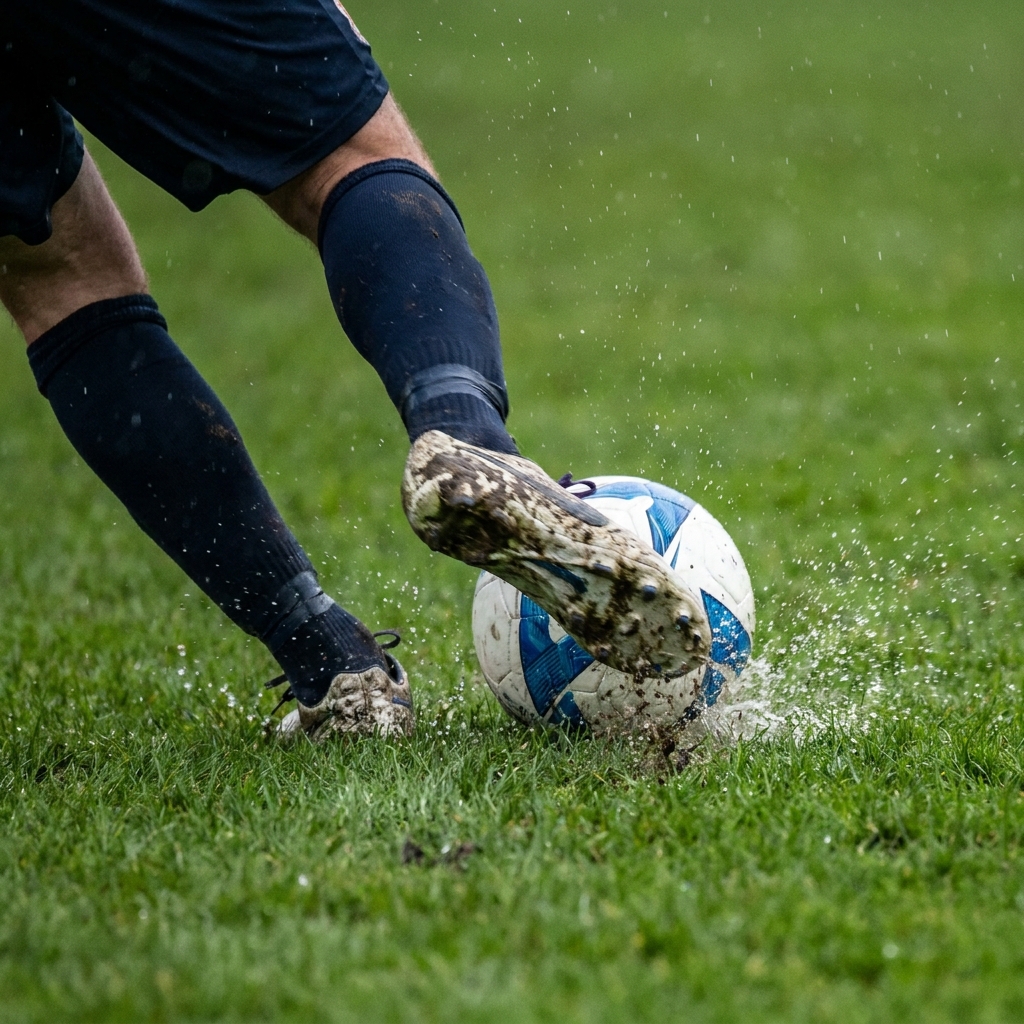
Long-range goals doubled at the 2026 World Cup as teams sat deep. Here is how to coach when to shoot from distance, the technique, and the follow-up.
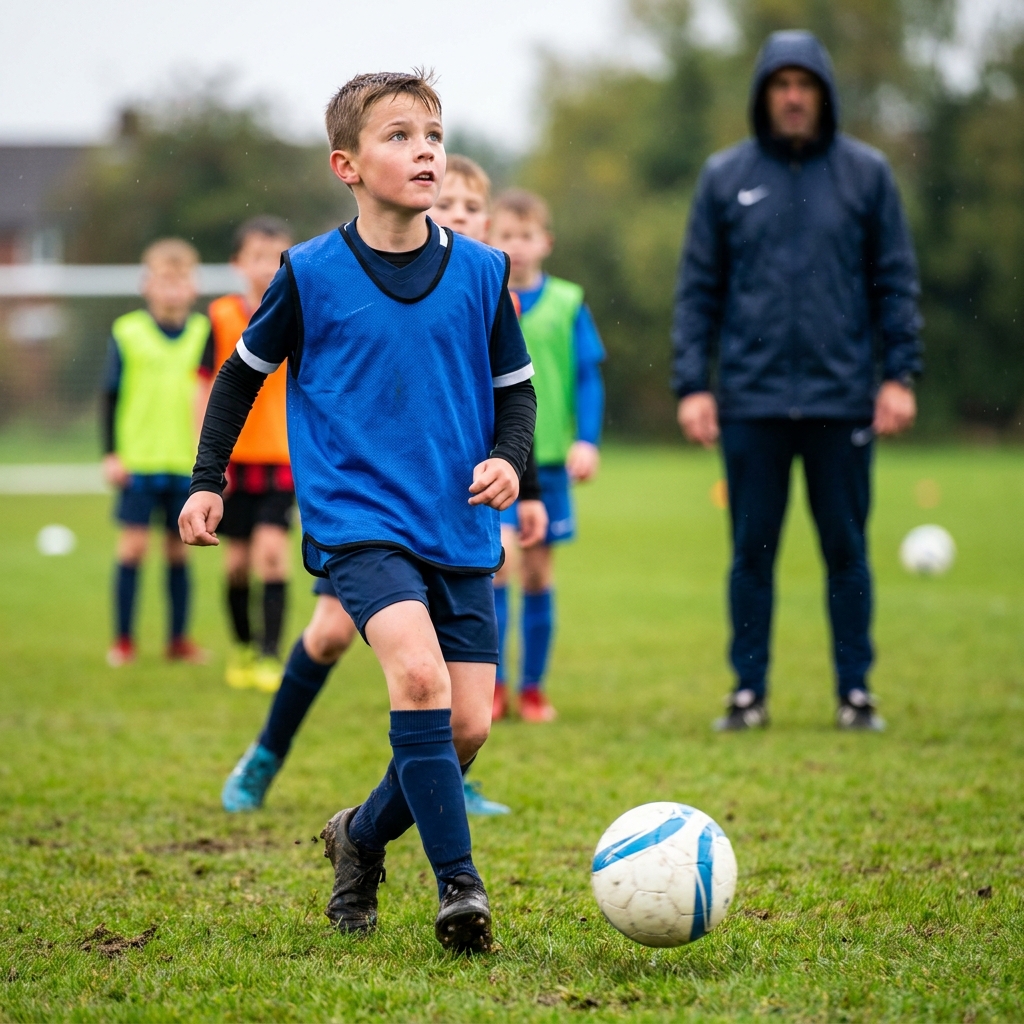
Under FutureFit, your Under-9s stay at 5v5, your Under-11s stay at 7v7 and your Under-13s stay at 9v9. Same pitch, same numbers, one more year. Here is how to make sure that year feels like a step forward rather than a repeat.