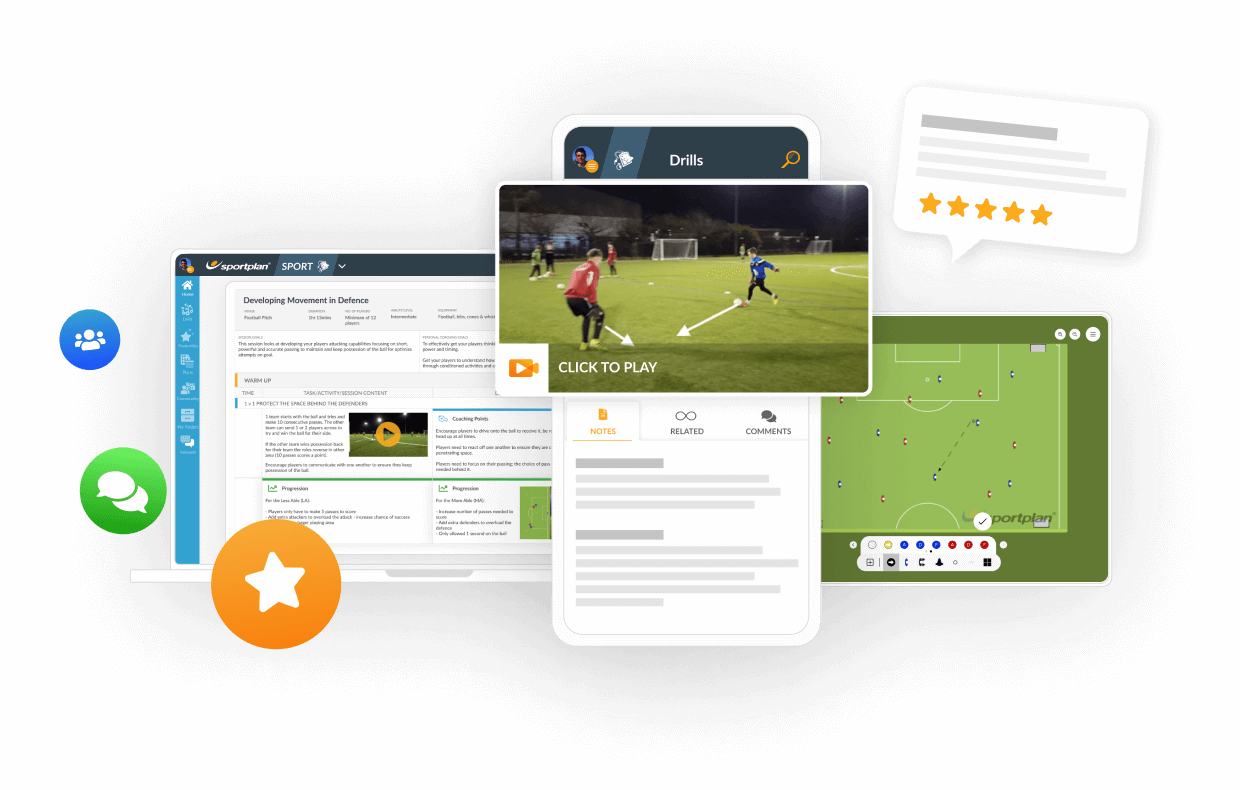
The aim of the drill is to encourage possession based build up play from an early age, incorporating restarts.
* no goalkeepers- the focus of this drill is possession and build up play, not scoring goals. the goals are there to have an objective still, but the game is not focused on scoring goals.
To start the drill, the ball is played into the playing area by one of the players on the touchline. these players can also be used during the play to help relieve pressure from the middle of the pitch. The aim of the in-pitch players is to build up to a goal at the other end. The longer your team can keep the ball the better, as the main focus is possession. encourage the defending team to press and man mark, as this will develop their understanding of basic defending against a team in possession of the football.
in more ways than one
 sportplan_netball


in more ways than one
sportplan_football

Under FutureFit, your Under-9s stay at 5v5, your Under-11s stay at 7v7 and your Under-13s stay at 9v9. Same pitch, same numbers, one more year. Here is how to make sure that year feels like a step forward rather than a repeat.
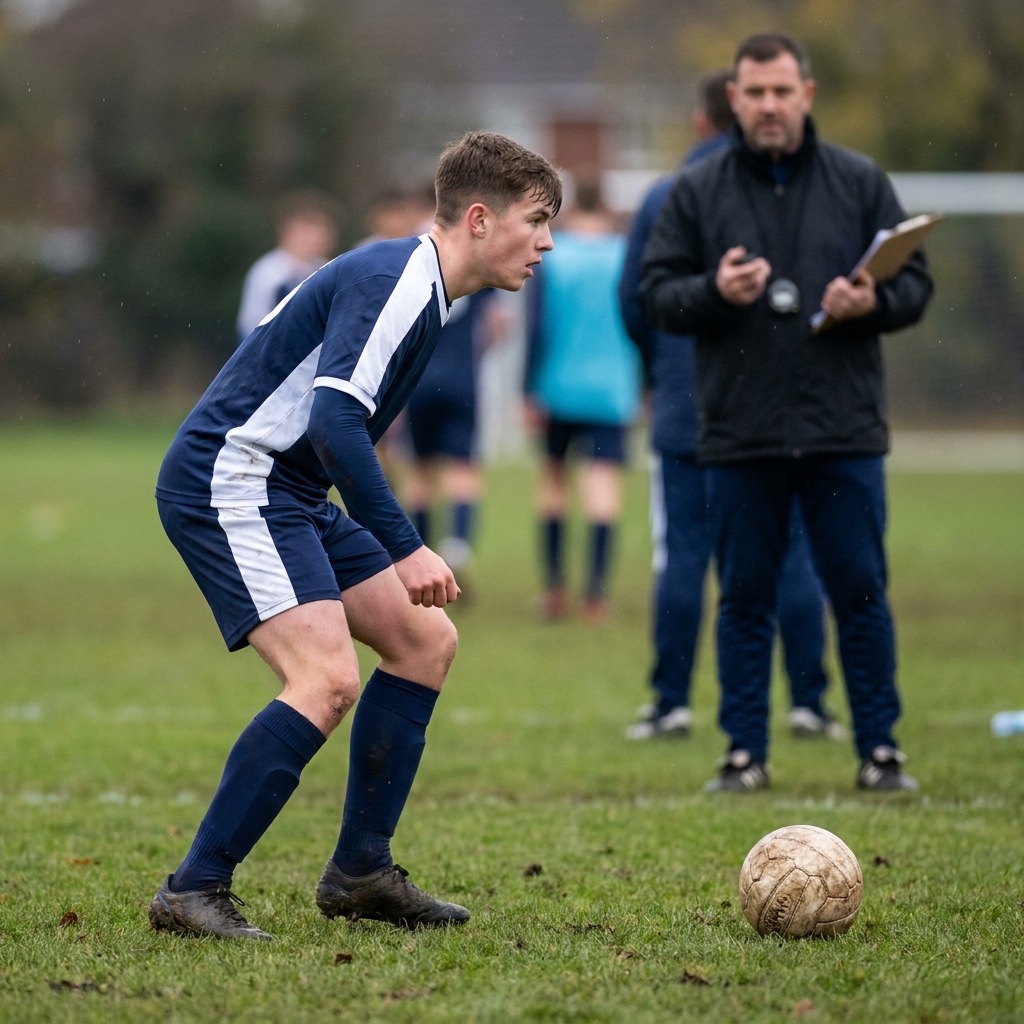
Most 1v1s are lost in the first second, when the defender rushes in and dives. Teach your players to slow the attacker down, take away the dangerous option and pick the right moment, and they will win far more of them.

The FA's FutureFit framework lands this season, bringing a 3v3 entry format at Under-7s. Here is what actually changes on a Saturday morning, and how to coach it well.