

Duration: 30 mins
Equipment:
Set up
How to play
One coach is positioned in the middle of the attackers and in front of the open goal with a selection of balls.
The coach always starts with the ball and passes to one of the attackers who can then dribble or pass to the corresponding attacker.
Attackers have to then progress towards the goal making the decision to pass or dribble, and once at the goal, making the decision to shoot.
Defenders have to try and tackle when the ball is in their zone. If they win the ball they then have to break with speed to try and score in the ‘empty’ goal.
Defenders are not allowed to leave their zone UNLESS they win the ball - they must quickly progress to score in the other goal.
Session Format
Why use this session?
This session gives the players the chance to make their own decisions, so there’s no right or wrong decision. Its a fun session which allows the players to express themselves and be creative following the warm up.
Coaching points
Allow the players to begin the session with just the basic instructions and allow the players to have a go.
After a couple of pairs have been through then I prefer to put in some coaching points like:
Then working on the defenders....
There’s plenty of questions to ask the players and this session works by allowing the players to tell you the answers to work it out themselves.
How it links to the England DNA:In possession
Out of possession

in more ways than one
 sportplan_netball



in more ways than one
sportplan_football
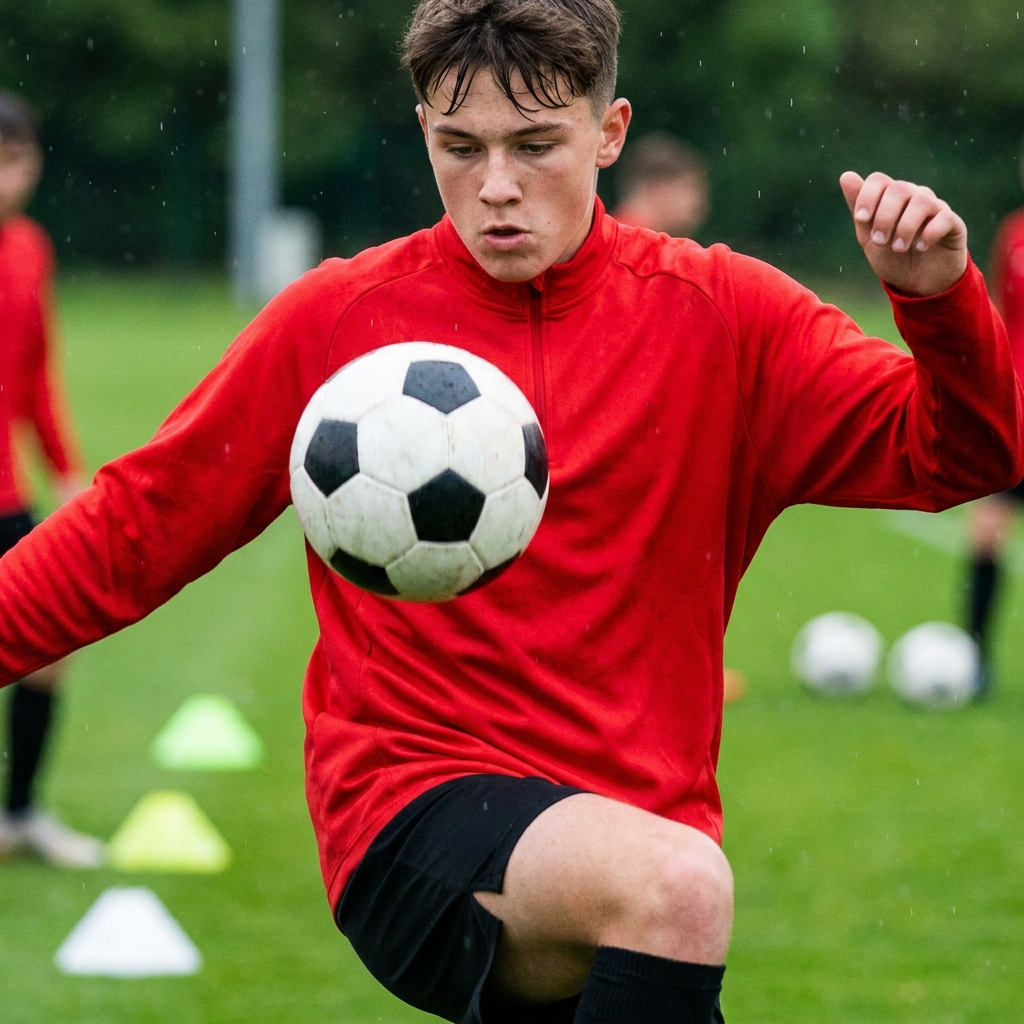
Deliberate heading is now out of U11 grassroots matches. Here is how to coach chest, thigh and foot control so your players still win the ball in the air.
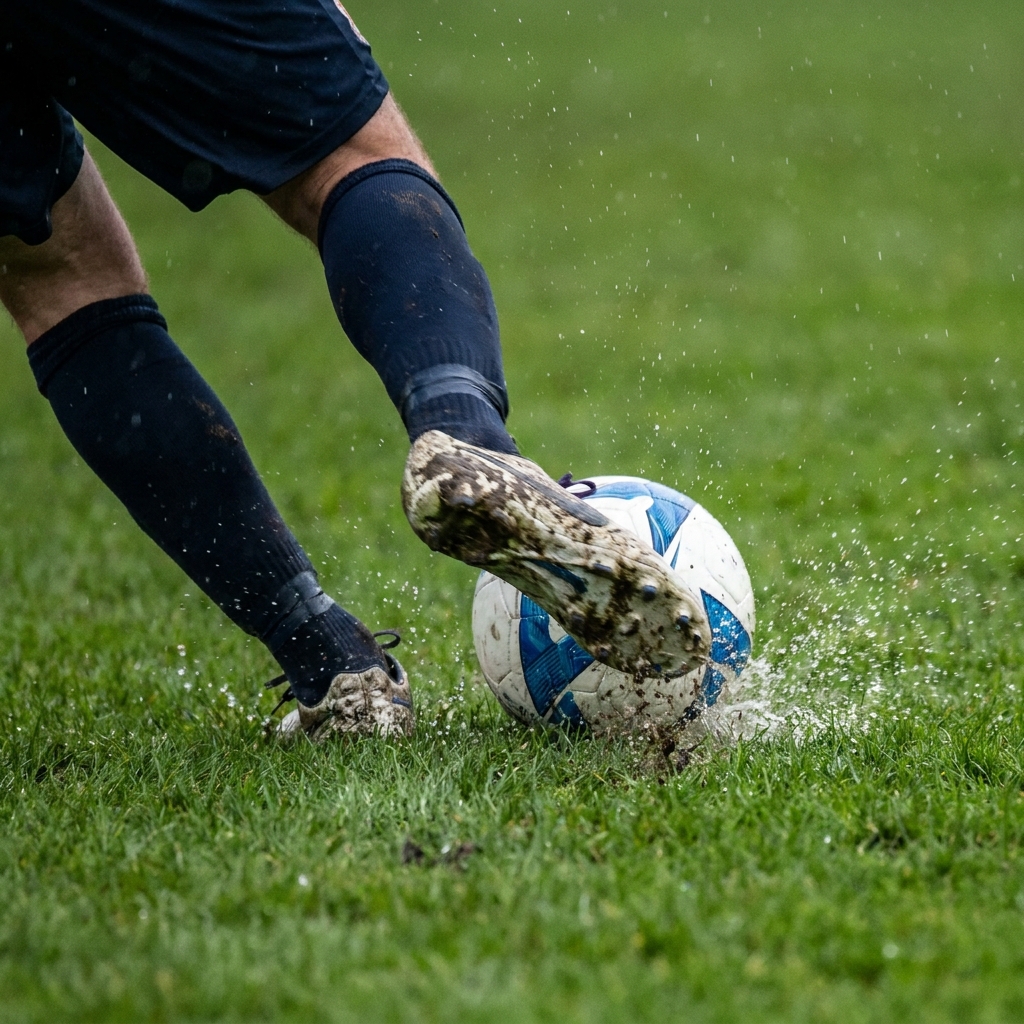
Long-range goals doubled at the 2026 World Cup as teams sat deep. Here is how to coach when to shoot from distance, the technique, and the follow-up.
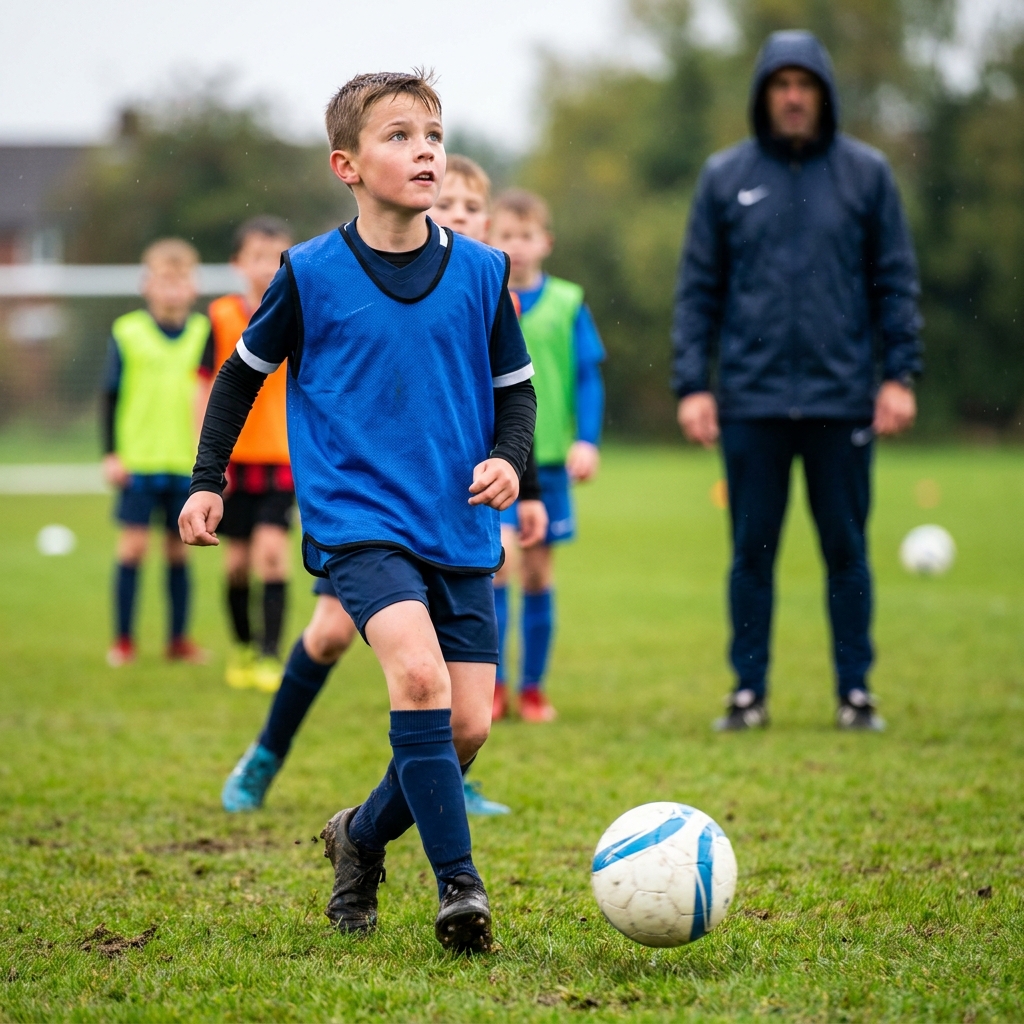
Under FutureFit, your Under-9s stay at 5v5, your Under-11s stay at 7v7 and your Under-13s stay at 9v9. Same pitch, same numbers, one more year. Here is how to make sure that year feels like a step forward rather than a repeat.









