Set up an area approximately 20x30yds and split into 3 teams, each team wearing different coloured bibs. Place a blue cone on the outside along one of the long edges.
2 teams are always in possession of the ball and one team is trying to win the ball back. When the defending team win the ball the team of th elast player to touch the ball must run around the blue cone and return to the playing area to retrieve the ball.
To progress the game reduce to 3 touches or break teh area into grids and they must play the ball into each square of the grid to win a point.
in more ways than one
 sportplan_netball

in more ways than one
sportplan_football
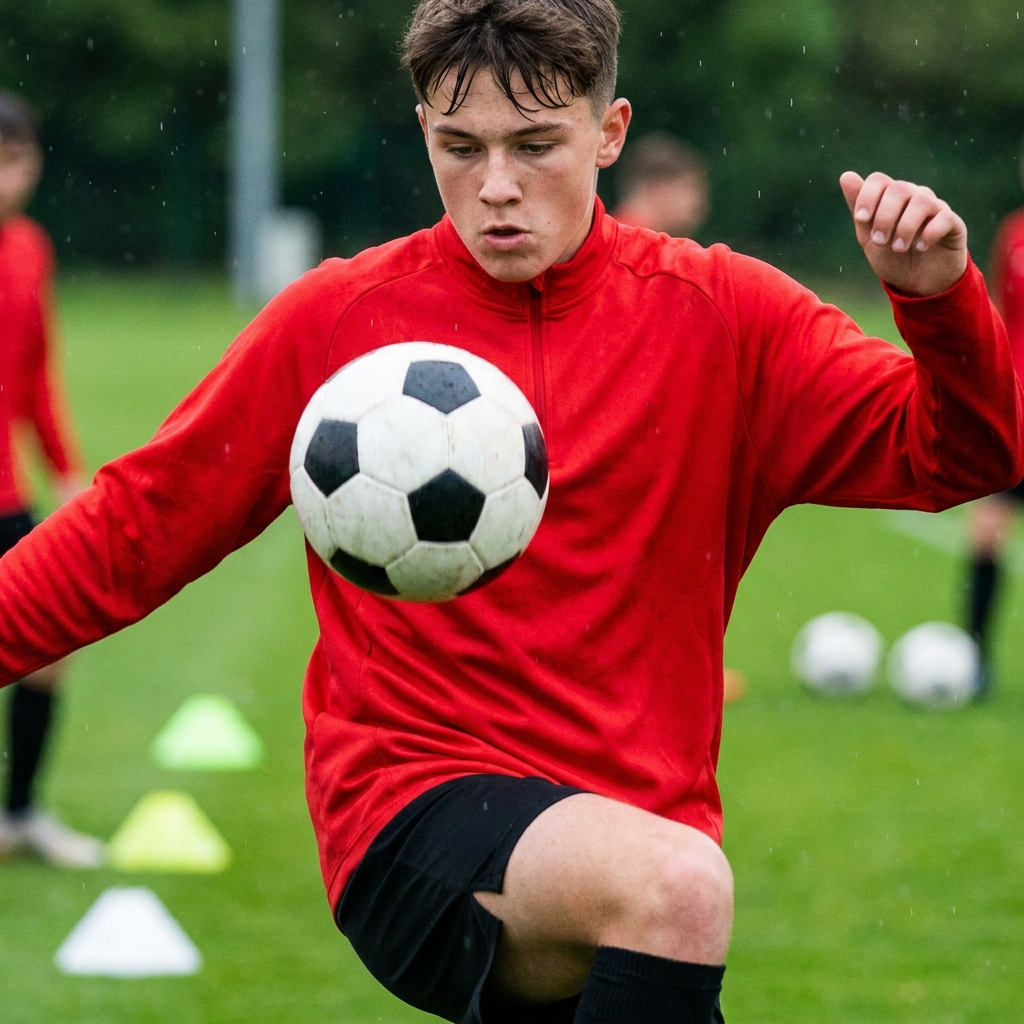
Deliberate heading is now out of U11 grassroots matches. Here is how to coach chest, thigh and foot control so your players still win the ball in the air.
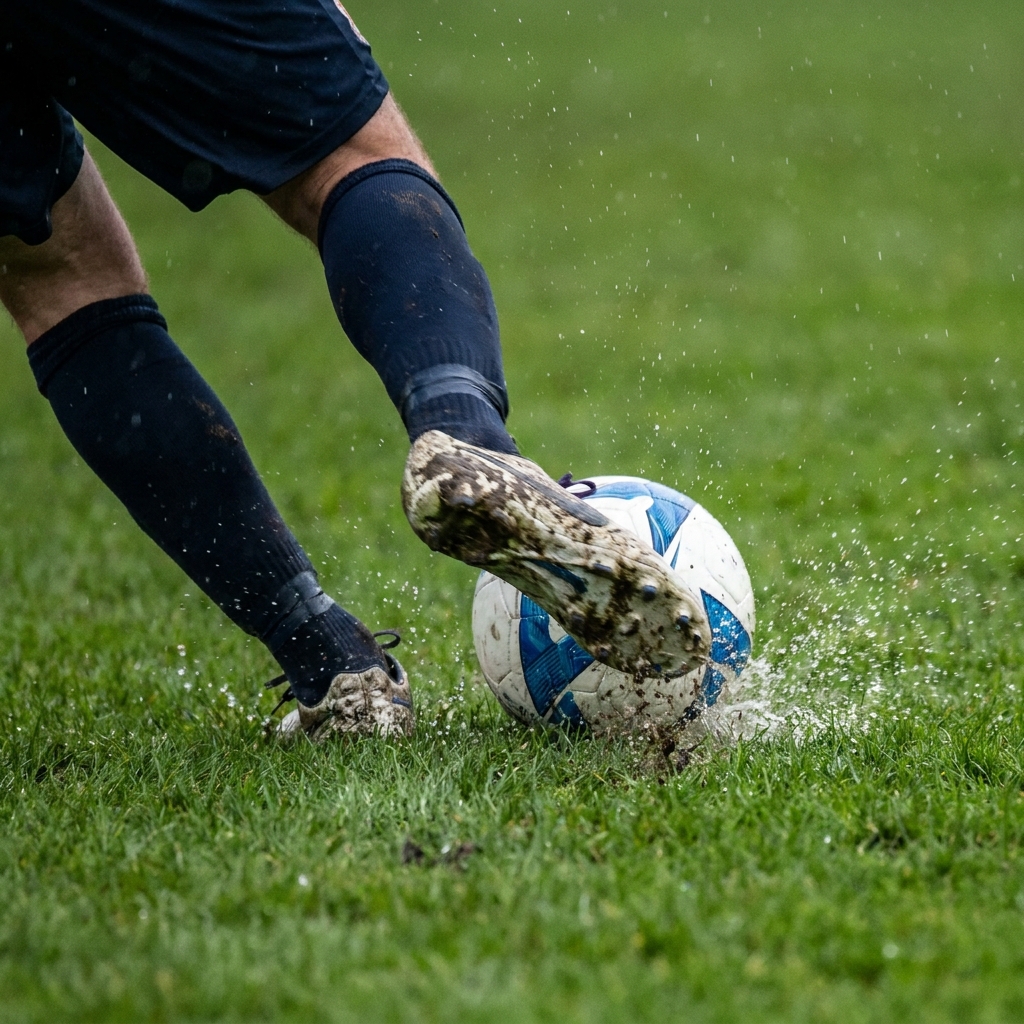
Long-range goals doubled at the 2026 World Cup as teams sat deep. Here is how to coach when to shoot from distance, the technique, and the follow-up.
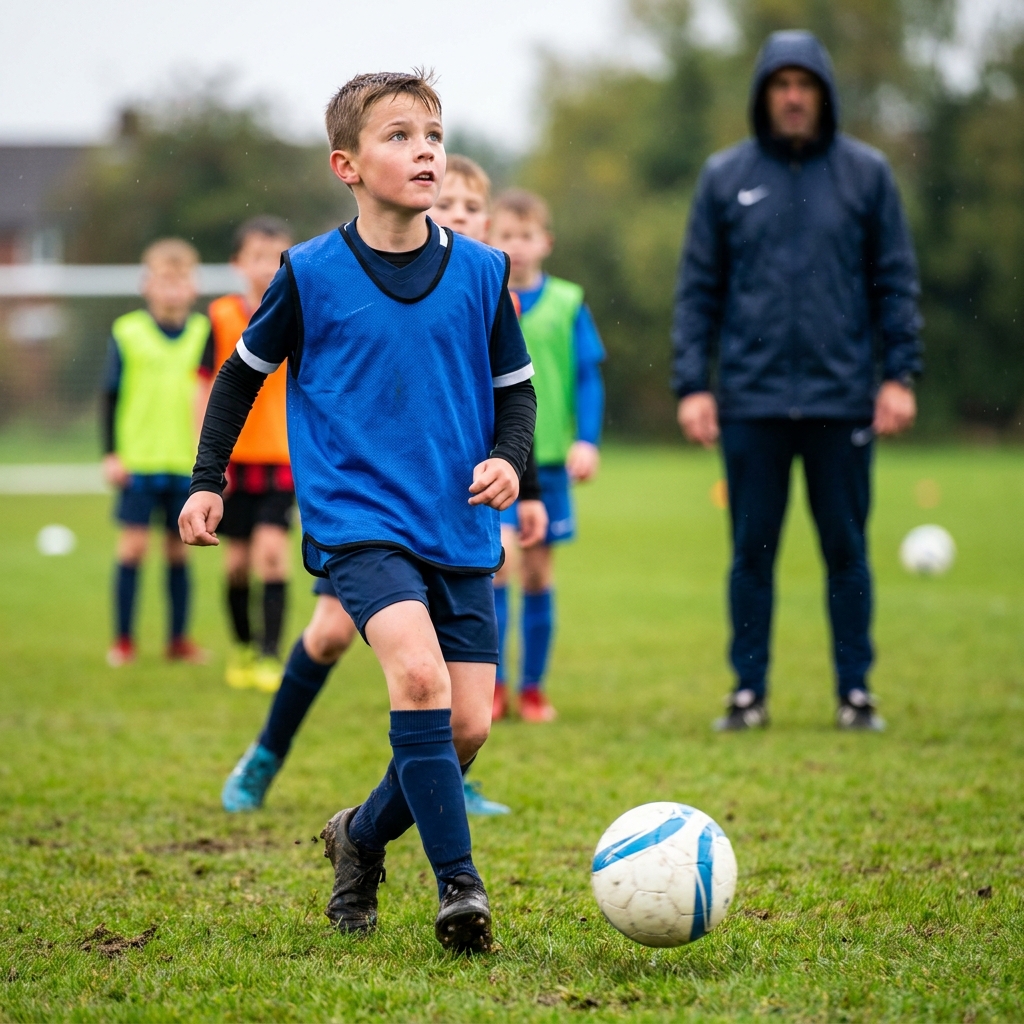
Under FutureFit, your Under-9s stay at 5v5, your Under-11s stay at 7v7 and your Under-13s stay at 9v9. Same pitch, same numbers, one more year. Here is how to make sure that year feels like a step forward rather than a repeat.