Lay two sets of cones out for two different teams. If you have more that 10 players then lay two more sets of cones out so they are not standing for too long. When they receive the ball they control ball in front of feet and then weave in and out of cones. Once they have weaved in and out of the two cones the player should increase their speed to the next cones as if to avoid a defender. once they reach the cone they should pass to the person at the front of the other queue (depending on ability get the players to stop the ball first to ensure an accurate pass).
Progress by getting the players passing the ball to press as if to tackle, use weaker foot.
Keep the ball out of feet (good first touch)
Small touches round cones
Bent legs to enable shift in body weight
in more ways than one
 sportplan_netball

in more ways than one
sportplan_football
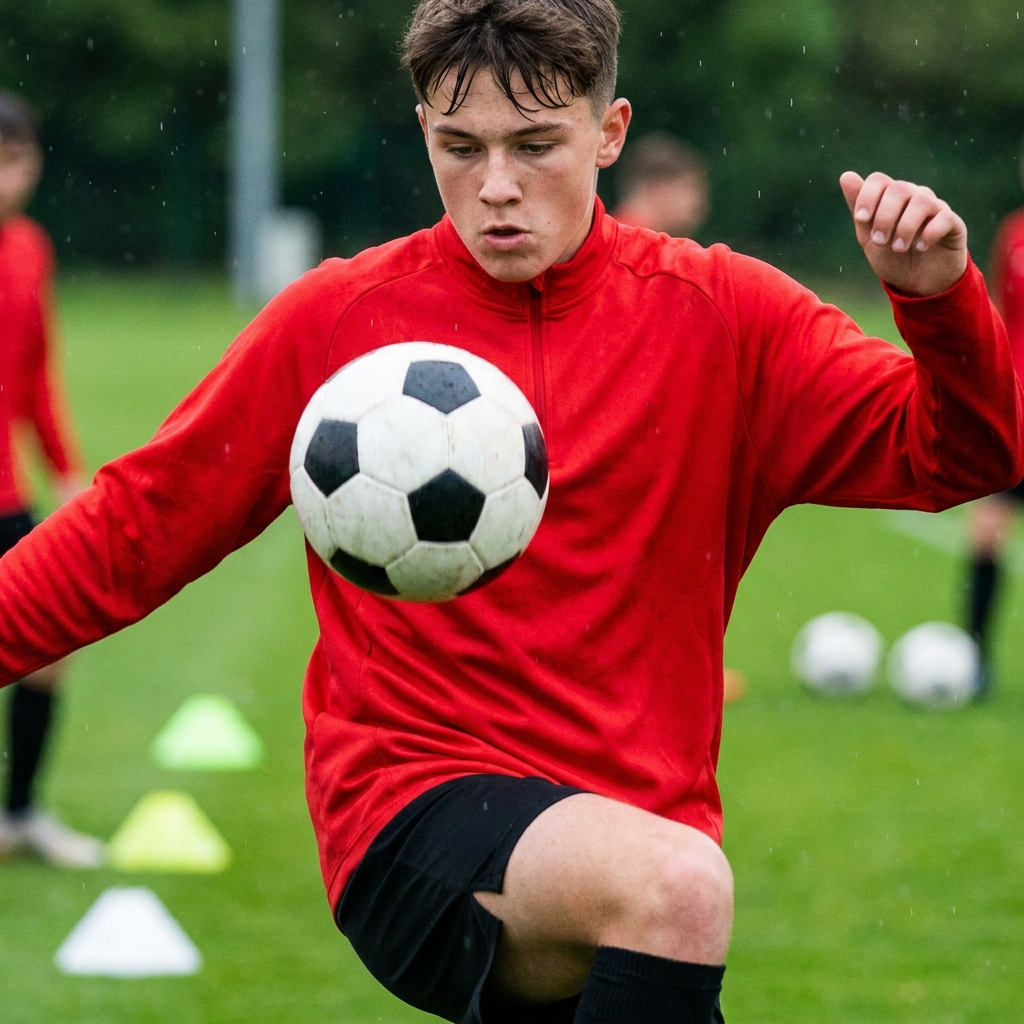
Deliberate heading is now out of U11 grassroots matches. Here is how to coach chest, thigh and foot control so your players still win the ball in the air.
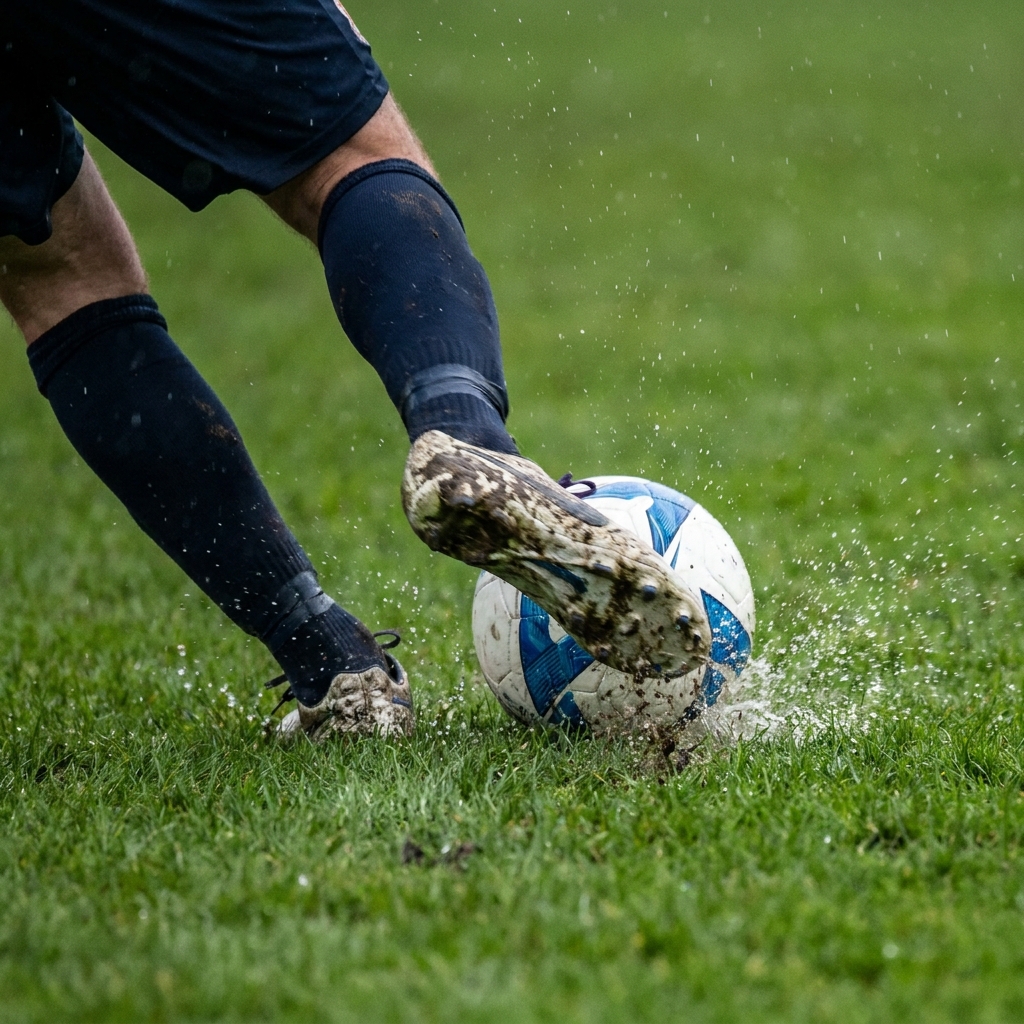
Long-range goals doubled at the 2026 World Cup as teams sat deep. Here is how to coach when to shoot from distance, the technique, and the follow-up.
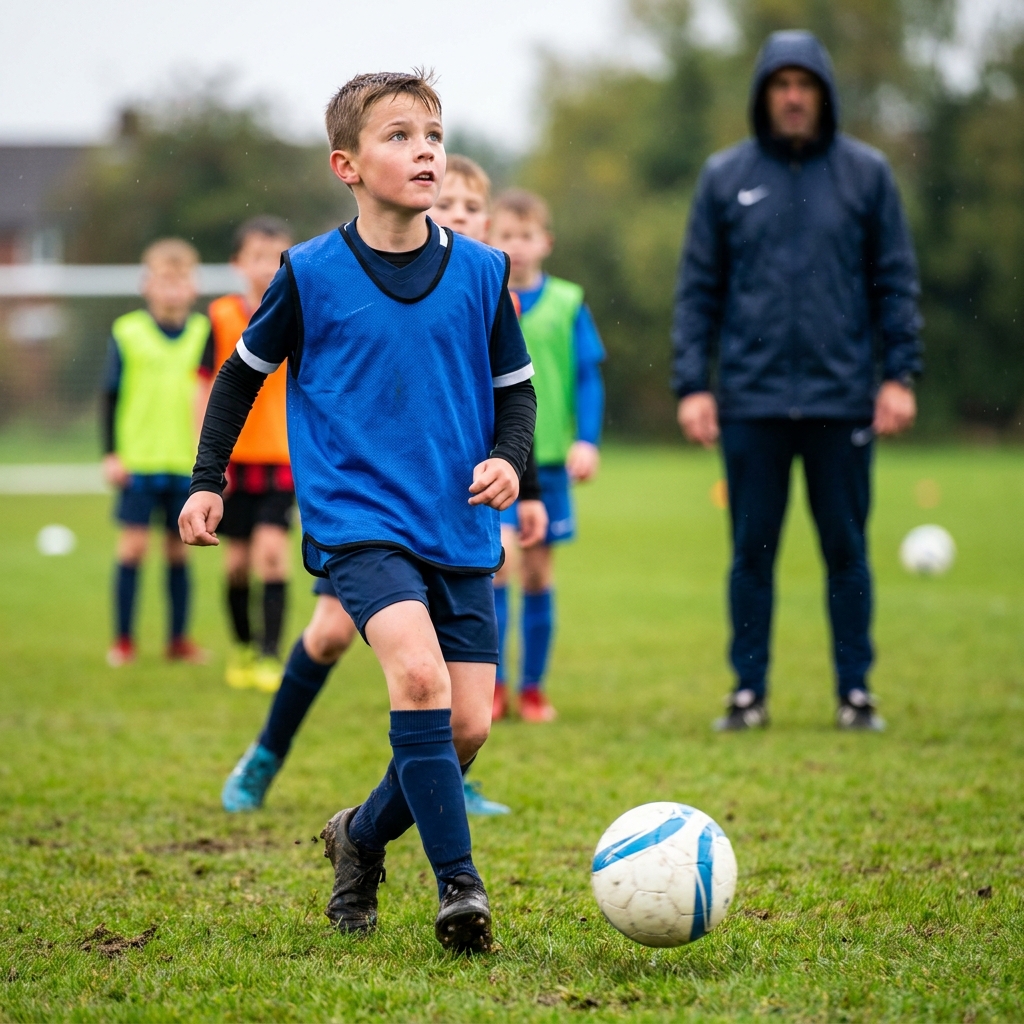
Under FutureFit, your Under-9s stay at 5v5, your Under-11s stay at 7v7 and your Under-13s stay at 9v9. Same pitch, same numbers, one more year. Here is how to make sure that year feels like a step forward rather than a repeat.