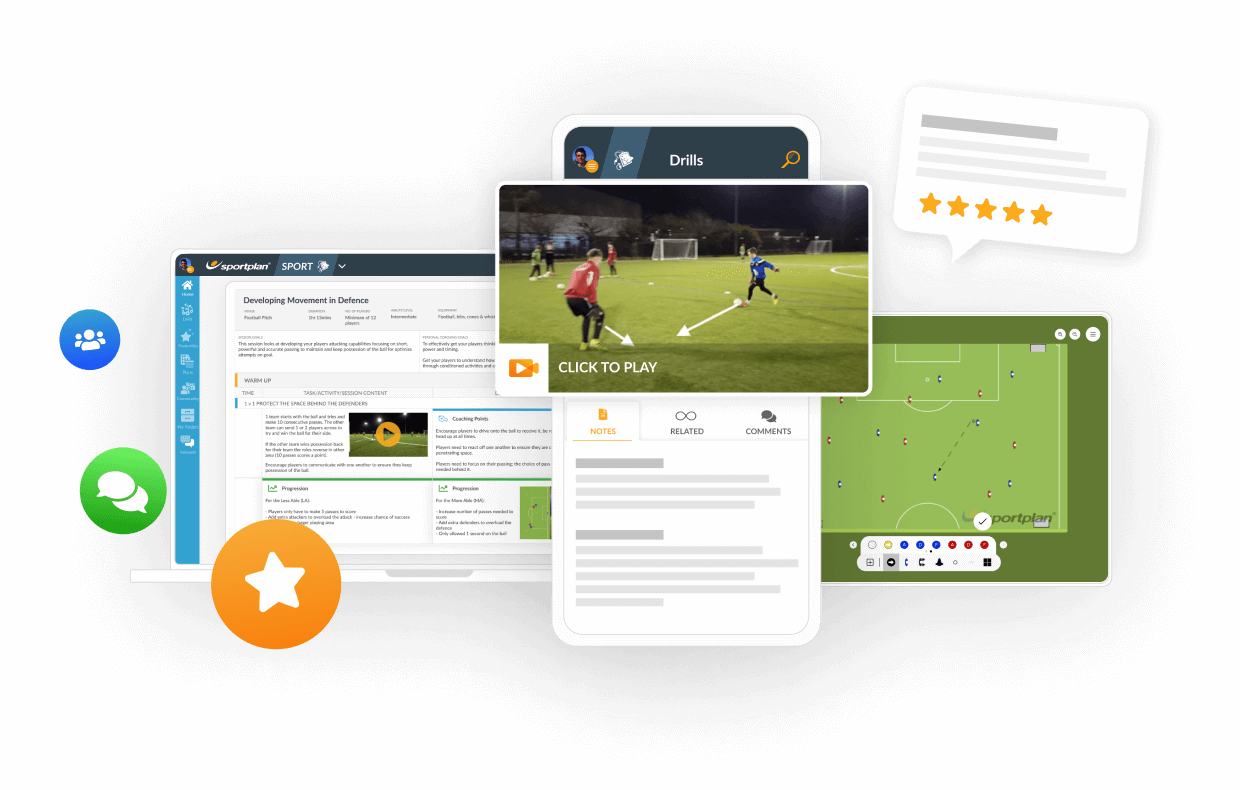
Phase: Skills/conditional game
Players: 6-11 per field
Objective: 2v2 recieve from one target and pass to another to score. Defender win ball and pass to T to become attacker.
Rotate 1 or both players if team concedes or lets ball go out of bounds. New entrees starts as attackers to force quick transition.
Rules: Ball carrier must pass to target or teammate if turning/facing to own goal.
T: What is correct body position? (open); First touch how&where? (to space, furthest leg);
How to shield the ball? (use arms&body);
I: Where to move and when? (to space; come close, angles); How to shake off defender?
(Drag defender close or away (Check in-out/out-in), hide behind defender);
How to bait defender follow the ball? (Wall pass);
C: How to ask for ball? (Voice, hands);
P: When to move slow, when to accelerate? (deception & decisive movement);
M: What is correct body language and state of mind? (Active, vocal, ready at all times).
in more ways than one
 sportplan_netball


in more ways than one
sportplan_football
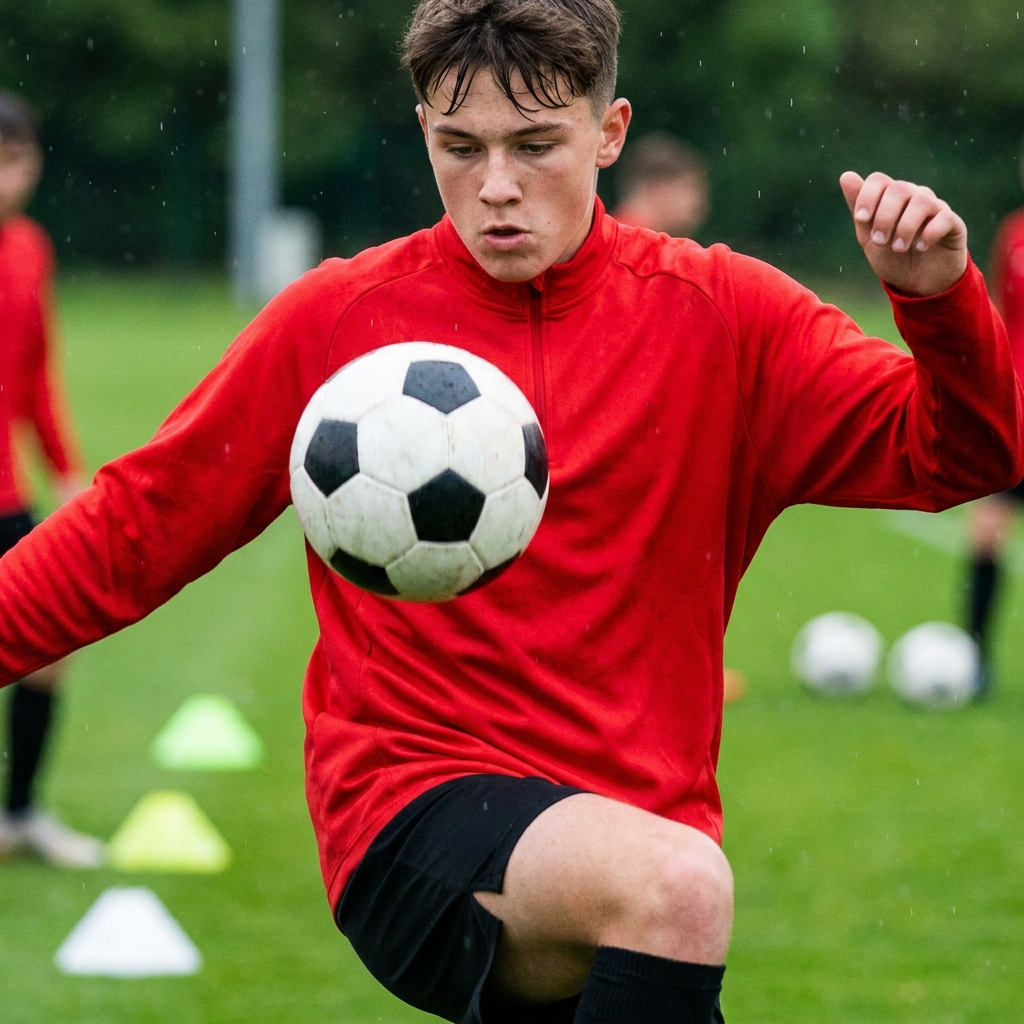
Deliberate heading is now out of U11 grassroots matches. Here is how to coach chest, thigh and foot control so your players still win the ball in the air.
Long-range goals doubled at the 2026 World Cup as teams sat deep. Here is how to coach when to shoot from distance, the technique, and the follow-up.
Under FutureFit, your Under-9s stay at 5v5, your Under-11s stay at 7v7 and your Under-13s stay at 9v9. Same pitch, same numbers, one more year. Here is how to make sure that year feels like a step forward rather than a repeat.