- Oefening start bij B, B vertrekt diep
- A gaat er niet op in en kapt naar binnen
- ondertussen doet C tegengestelde vooractie van B
- A speelt in op C
- B haakt los
- C speelt in op B
- B kaatst en vertrekt onmiddellijk diep
- C geeft de bal mee in de loop van B
- C loopt lateraal en haakt los naar 2e zone wanneer B de voorzet geeft
- A liep achter C door en zoekt de zone aan de 1e paal op
- A of C werkt af
- D haalt de bal op en past op E
- E doet technische oefening, steekt de bal door en doet oefening aan de loopladder
Doorschuifsysteem: A-B-C-D-E-A'-B'-C'-D'-E'
in more ways than one
 sportplan_netball

in more ways than one
sportplan_football

Deliberate heading is now out of U11 grassroots matches. Here is how to coach chest, thigh and foot control so your players still win the ball in the air.
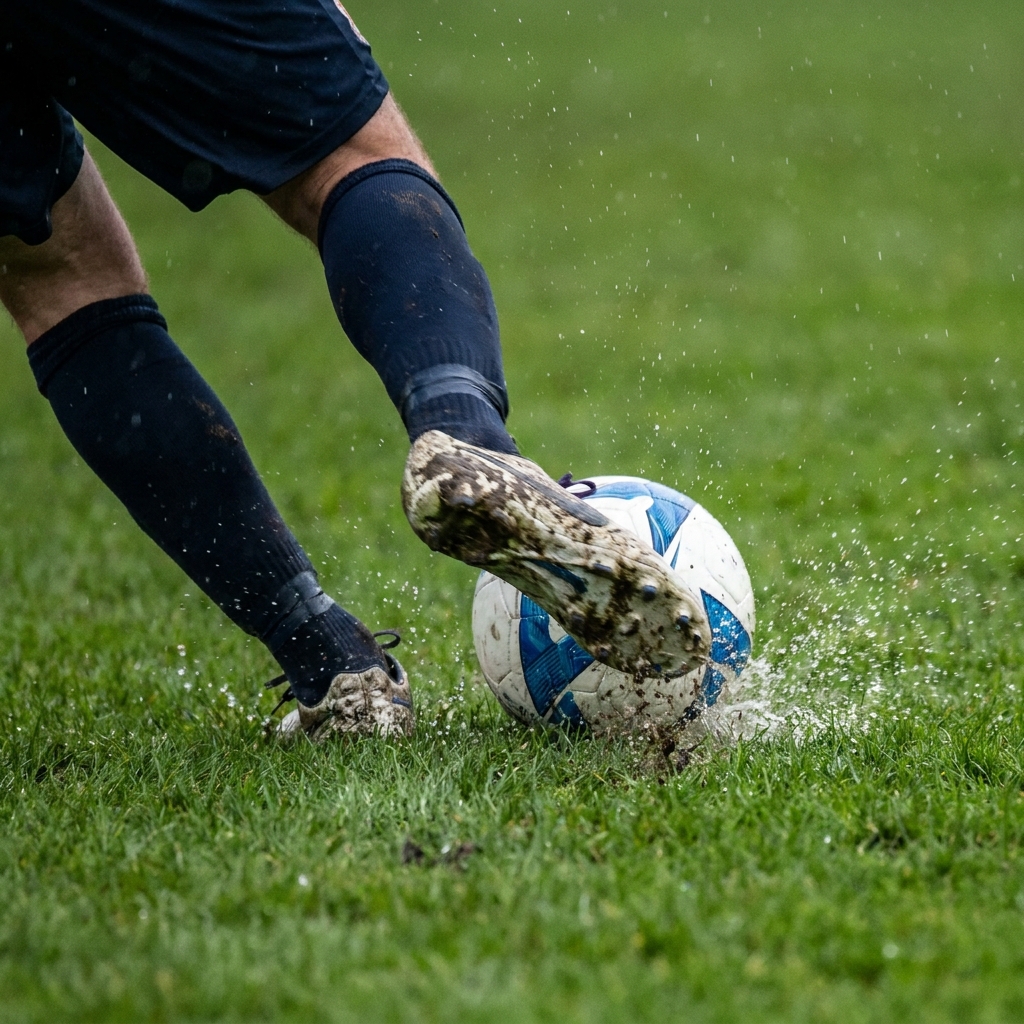
Long-range goals doubled at the 2026 World Cup as teams sat deep. Here is how to coach when to shoot from distance, the technique, and the follow-up.
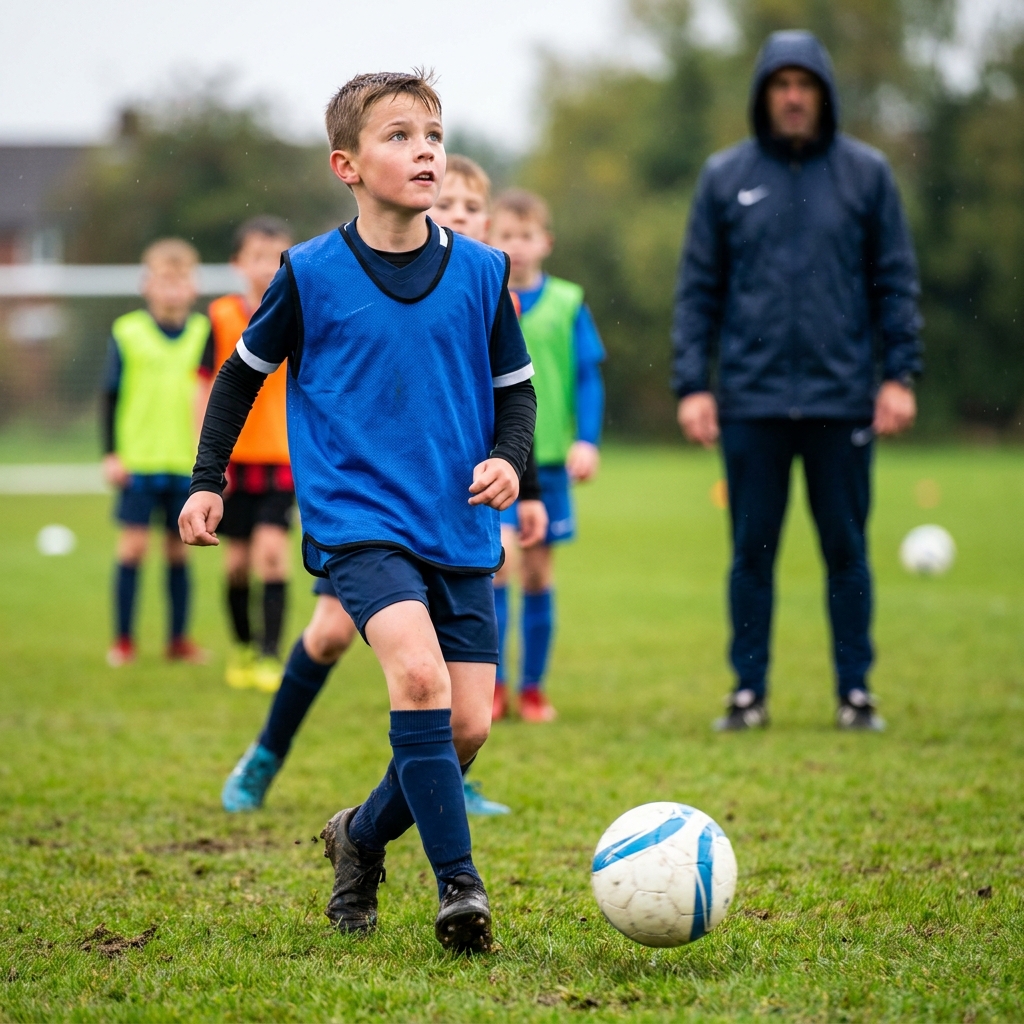
Under FutureFit, your Under-9s stay at 5v5, your Under-11s stay at 7v7 and your Under-13s stay at 9v9. Same pitch, same numbers, one more year. Here is how to make sure that year feels like a step forward rather than a repeat.