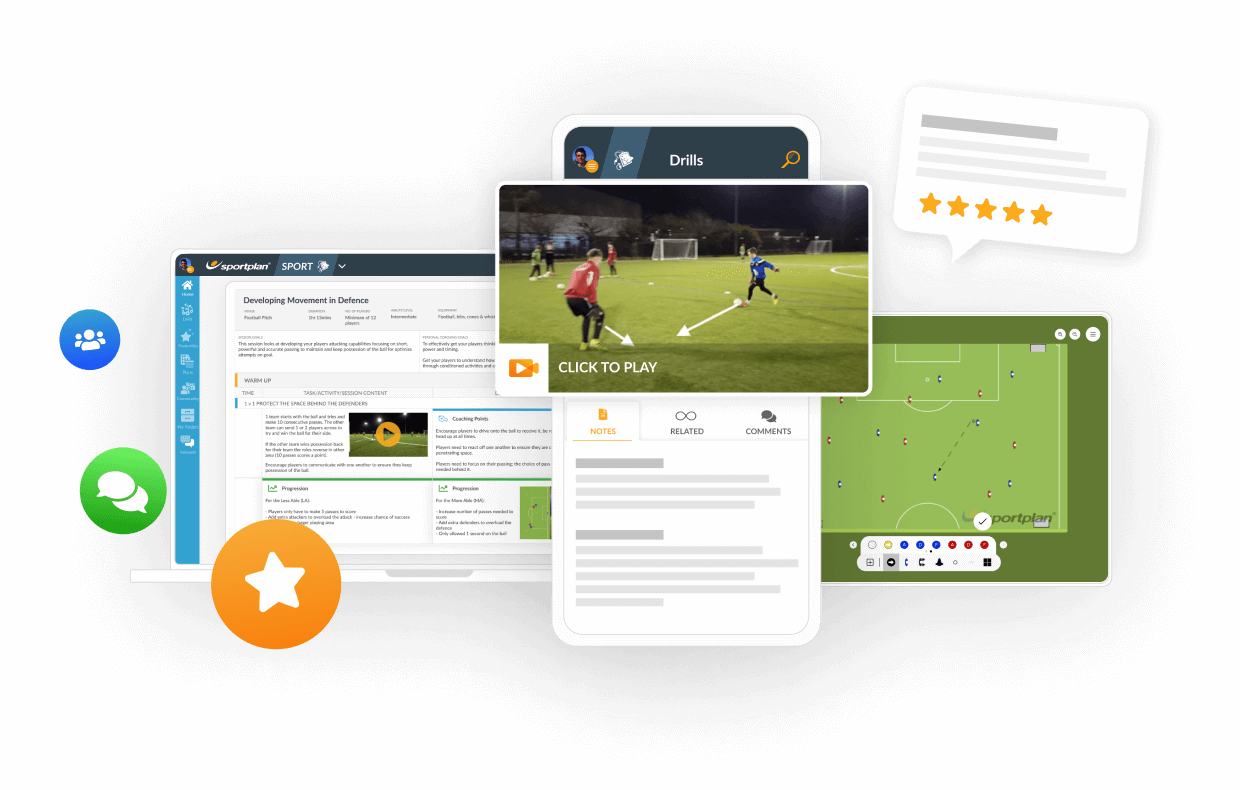
Place rings inside a grid. Acoording to the number of player you should have one ring less (e.g 7 players, 6 rings). Each player with a ball.
PROGRESSION
Players begin dribbling the ball inside the grid away from the rings. When the coach shouts STOP each player needs to react quickly and dribble towards one of the rings. The player that does not manage to enter a ring is eliminated. Players eliminated are watching the game on the sideline while performing ball mastery moves. Coach needs to remove one ring. Same sequence until you get a winner!
PROGRESSION 2
Same sequence but now the coach directs the player on how to dribble
1. Only with the right foot
2. Only with the left foot
3. Inside Left Outside Right
4. Inside Right Outside Left
in more ways than one
 sportplan_netball


in more ways than one
sportplan_football

Deliberate heading is now out of U11 grassroots matches. Here is how to coach chest, thigh and foot control so your players still win the ball in the air.
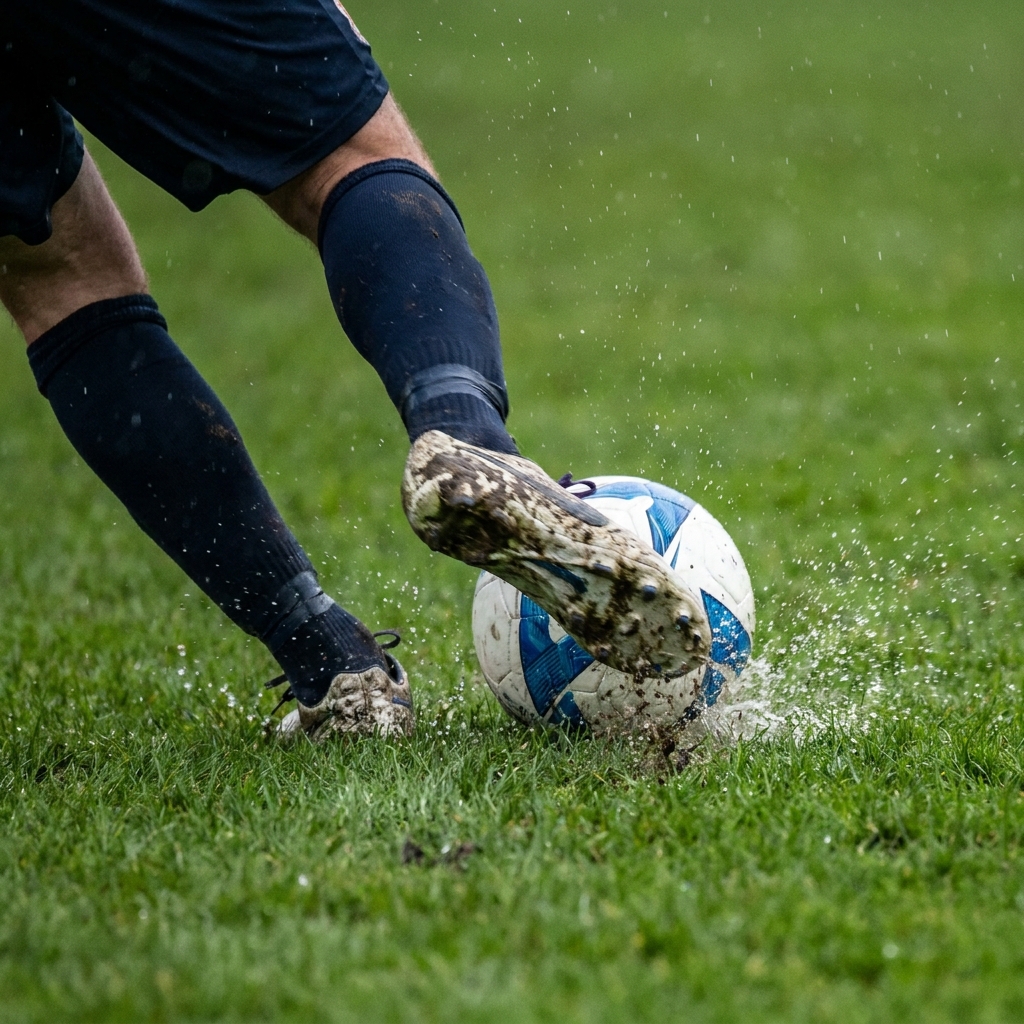
Long-range goals doubled at the 2026 World Cup as teams sat deep. Here is how to coach when to shoot from distance, the technique, and the follow-up.
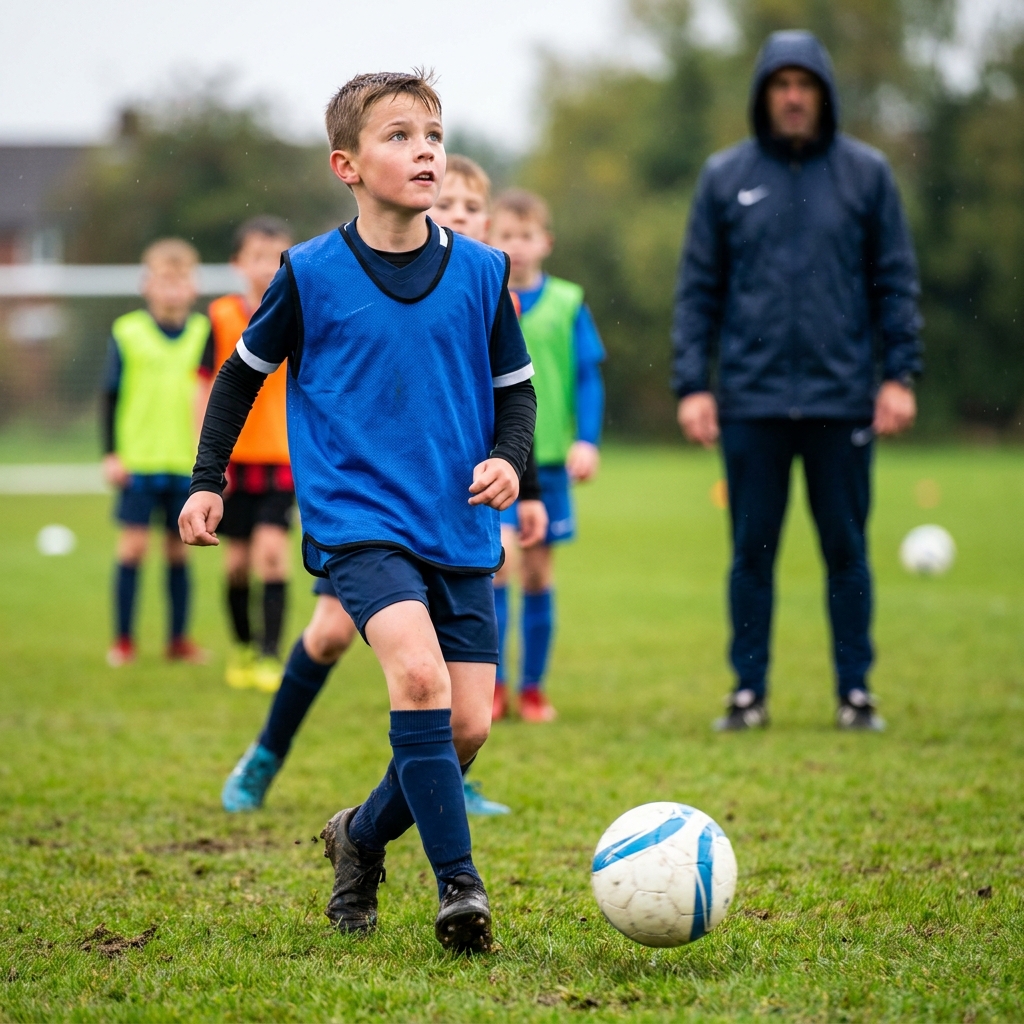
Under FutureFit, your Under-9s stay at 5v5, your Under-11s stay at 7v7 and your Under-13s stay at 9v9. Same pitch, same numbers, one more year. Here is how to make sure that year feels like a step forward rather than a repeat.