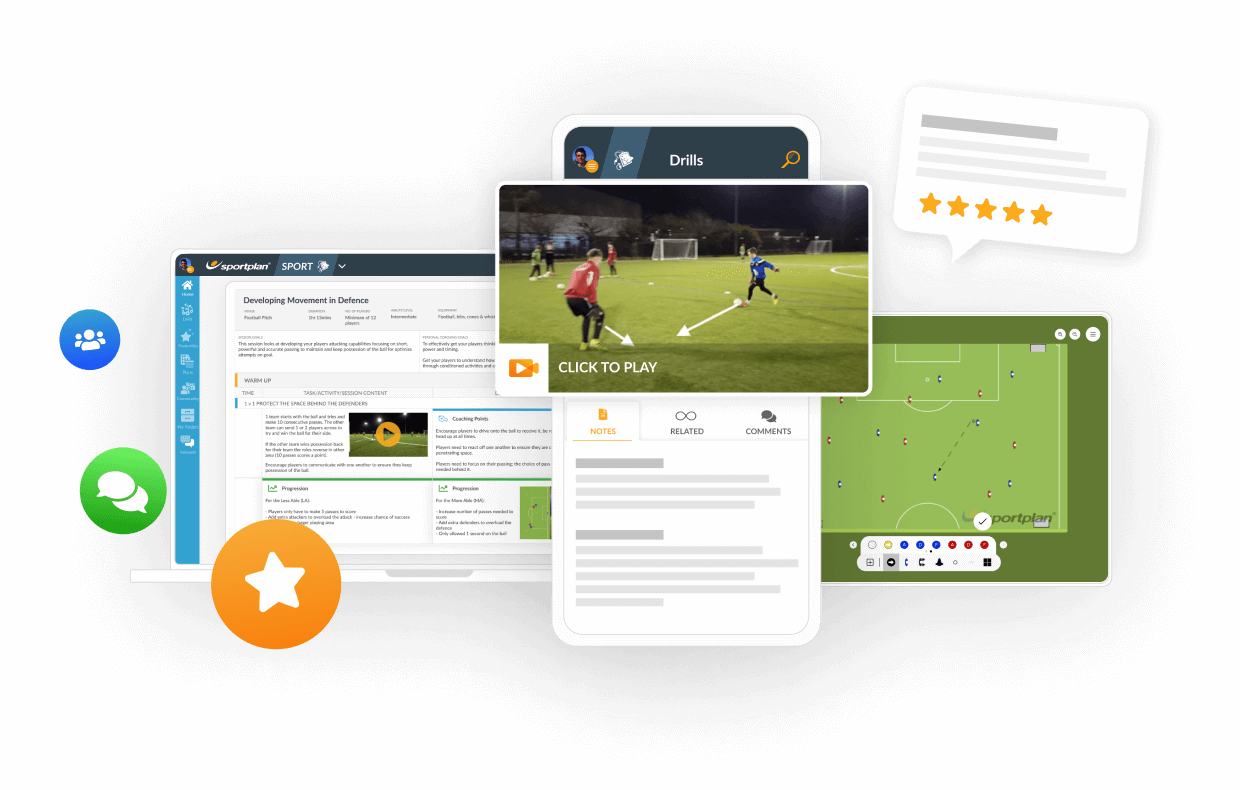
Only one defending and attacking player can be in the attacking zone (orange coned in diagram). When a team scores they grab the ball from the net and attack the other end. When a goal is scored the conceding team leaves the pitch to be replaced by the team evenly spread around the pitch (no bunching allowed).
The first pass of the counter attack is the most important.
If the first pass can by-pass multiple players, or put their team in a goal scoring situation, then they will have more joy
Team must transition into counter attacking mode as soon as they think a goal is going in.
When passing on the counter attack vertical balls more effective than lateral.
Don't run away from teammate rather, they should shape their bodies side on so that they can get the ball running towards the target.
Body position for all players should be open to the attacking part of the field. It will be very seldom that a player with their back to the goal is a good counter attacking option (unless they are a striker holding the ball and waiting for help).
in more ways than one
 sportplan_netball


in more ways than one
sportplan_football

Deliberate heading is now out of U11 grassroots matches. Here is how to coach chest, thigh and foot control so your players still win the ball in the air.
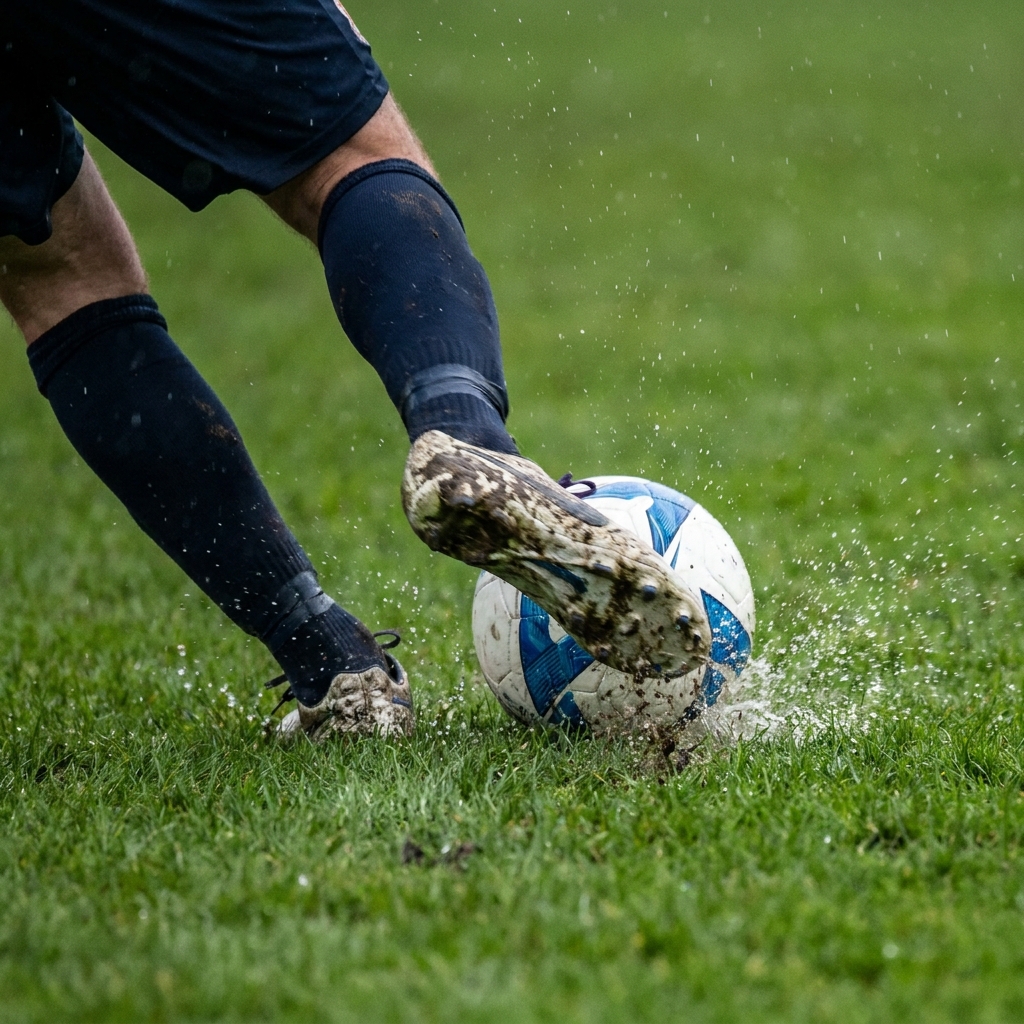
Long-range goals doubled at the 2026 World Cup as teams sat deep. Here is how to coach when to shoot from distance, the technique, and the follow-up.
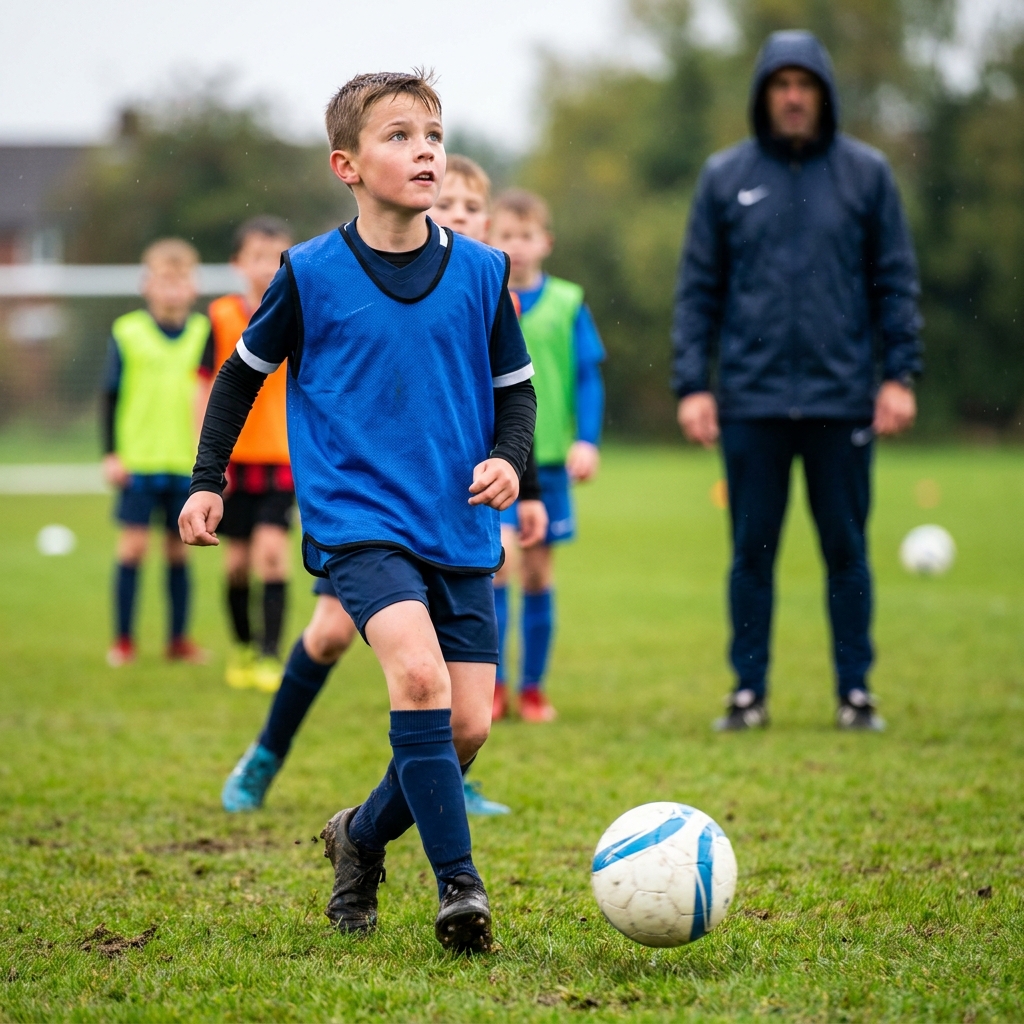
Under FutureFit, your Under-9s stay at 5v5, your Under-11s stay at 7v7 and your Under-13s stay at 9v9. Same pitch, same numbers, one more year. Here is how to make sure that year feels like a step forward rather than a repeat.