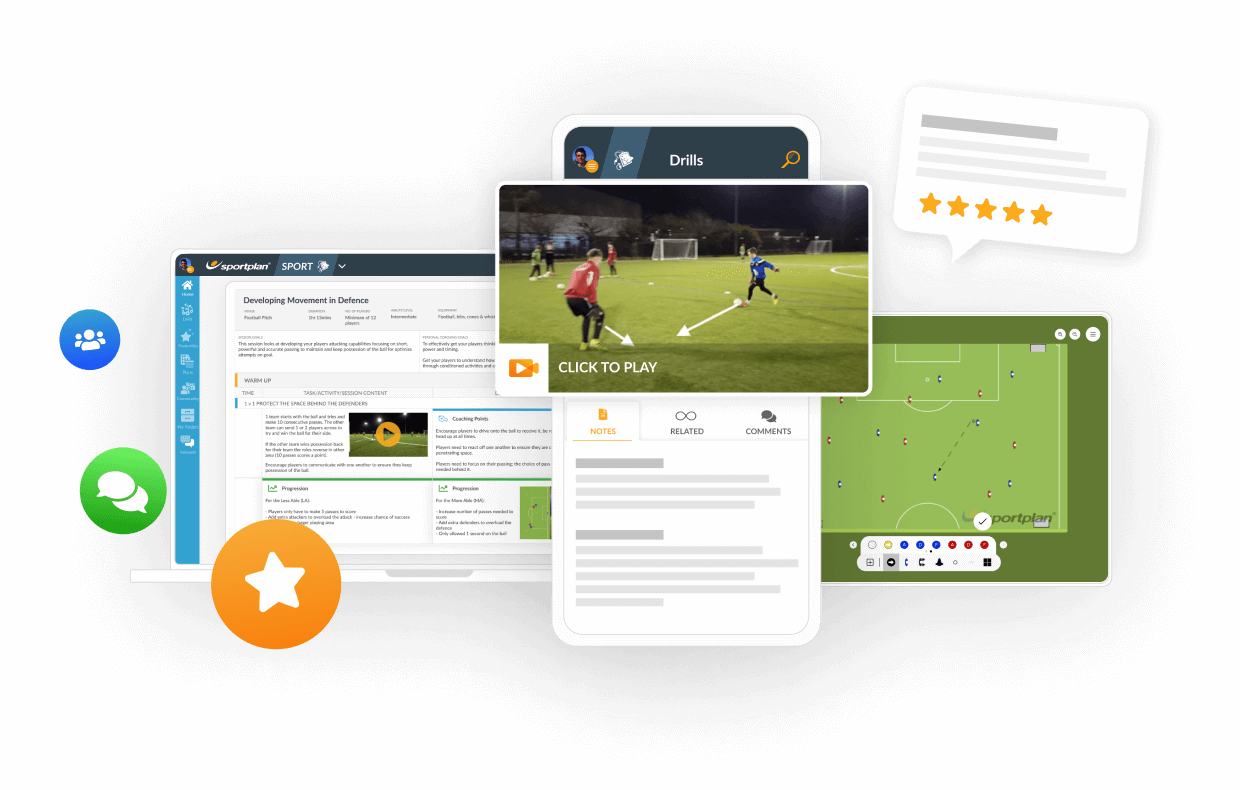
This is a attacking practice as the grid will be small, and will result in lots of chances on goal.
It can also be considered a positional game and will coach comcept top the style that will will play, and how we want to develop players.
The numbers are 2vs1 in each half plus a GK.
GK has to play out from back, with the DFs having to find a way to the ATT in the other half.
The game is a very small version of a build up to go forward.
Progressions
Use GK when necessary if path forward is blocked - use teh overlaod and be patient.
Movement from front player to get space to receive.
Ability to retain ball under pressure.
Principles of the game
Positive and excuting play to score goals.
Different ways to combine to go forward.
Twisting, turning, evading DFs to score goals and create chnaces.
in more ways than one
 sportplan_netball


in more ways than one
sportplan_football
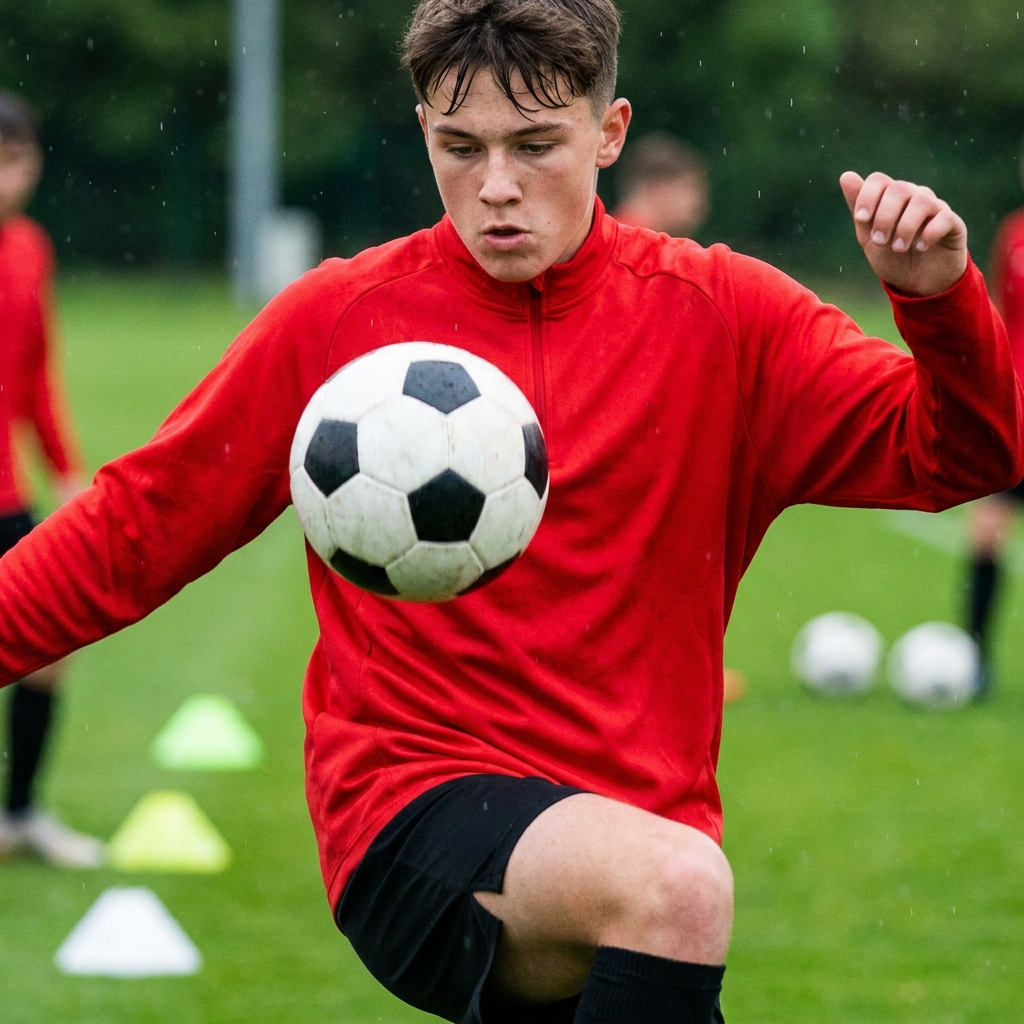
Deliberate heading is now out of U11 grassroots matches. Here is how to coach chest, thigh and foot control so your players still win the ball in the air.
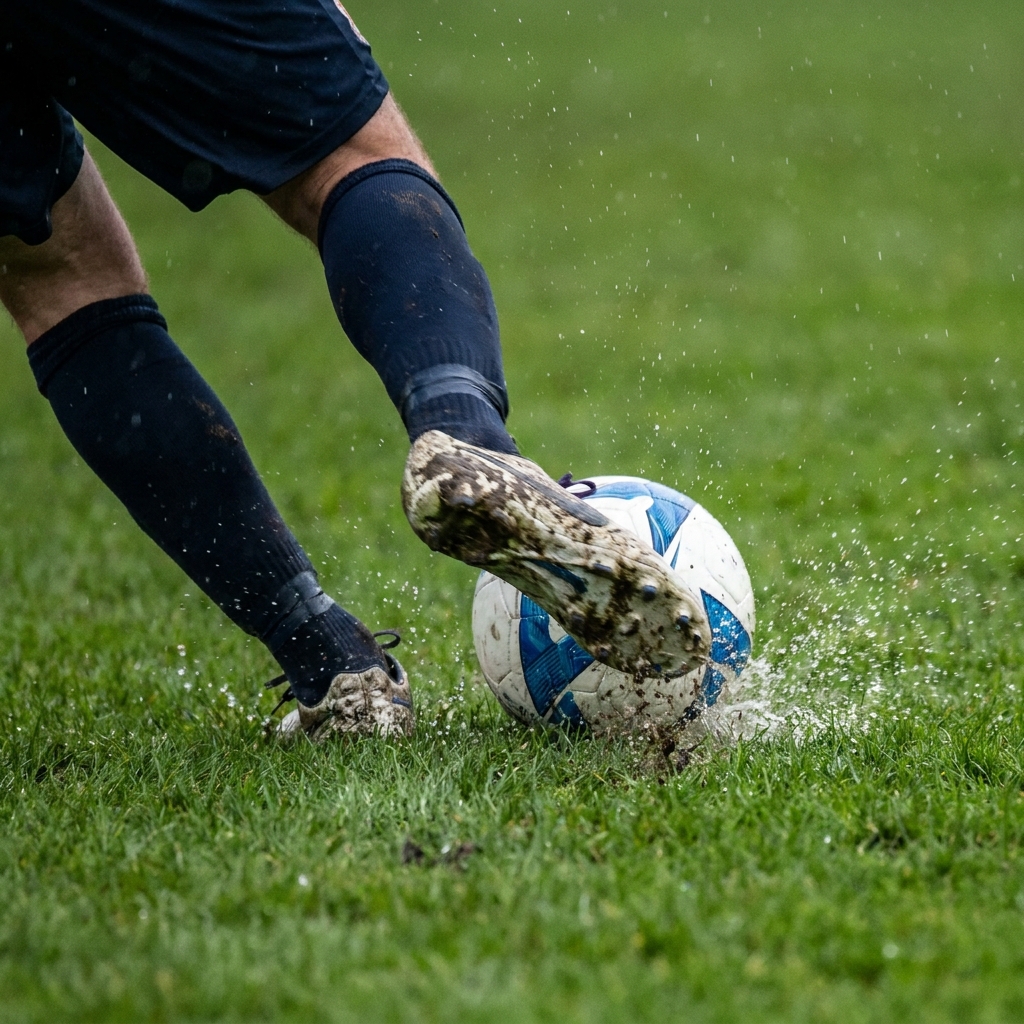
Long-range goals doubled at the 2026 World Cup as teams sat deep. Here is how to coach when to shoot from distance, the technique, and the follow-up.
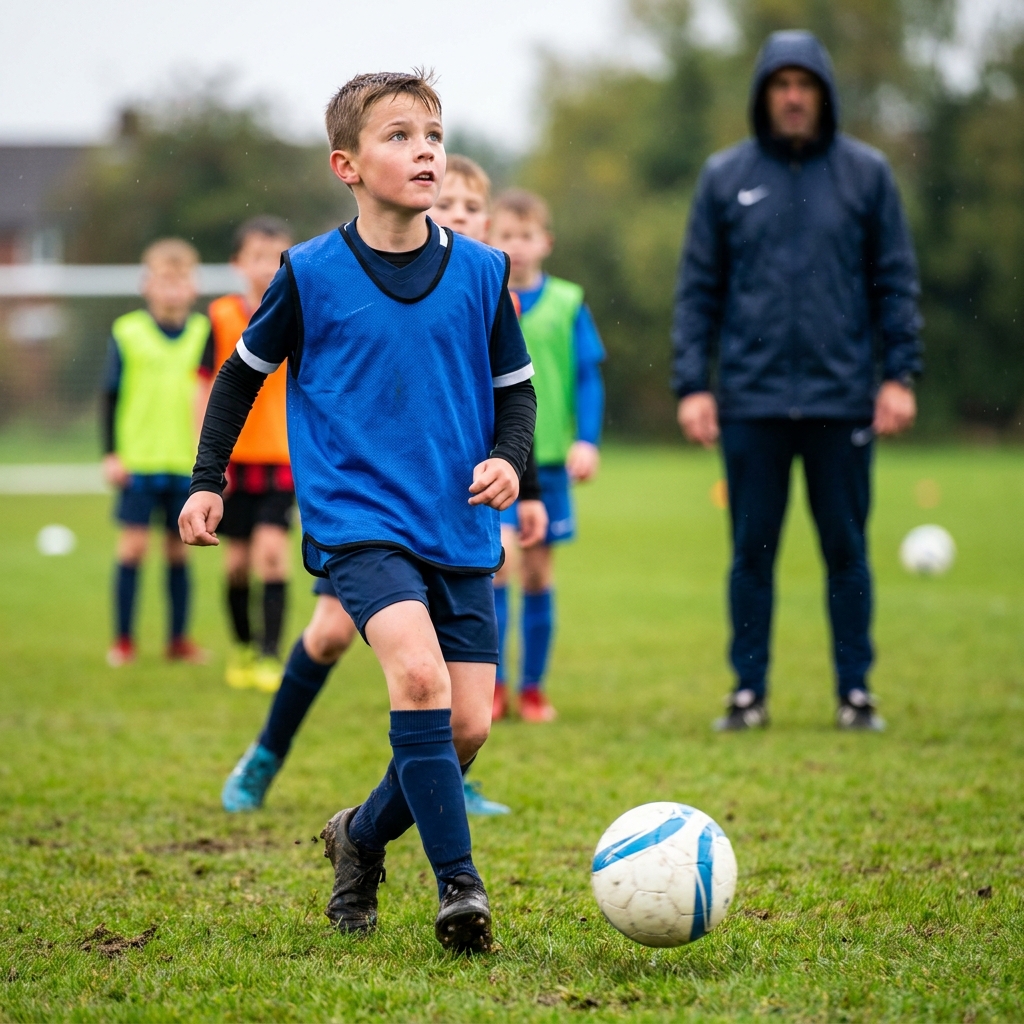
Under FutureFit, your Under-9s stay at 5v5, your Under-11s stay at 7v7 and your Under-13s stay at 9v9. Same pitch, same numbers, one more year. Here is how to make sure that year feels like a step forward rather than a repeat.