Indoor 6v6 (From 1-2-2) Scenario to advance ball from outside back. Back should have option to make three passes (both fwds and sweeper) with players making 'two pass runs'.
Practice with ball played to back from a sweeper goal kick (options could be where coach plays from a different position... with options of how he plays it (bouncing ball, goal kick, etc))
Simplified coaching point. We're going to rotate through every position BECAUSE these movements ARE NOT POSITION SPECIFIC. (** Example would be monkey-in-the-middle reference, whereas a players motion is dictated by where the ball is played, and a player who is "two passes away" is still sprinting into position. HOPEFULLY, they've already visualized this "where do I move if the ball is played "there", "here", etc)
Each player moves correctly without the ball. (options dictate short to go long and/or long to go short, hard check to the ball)
LB also looks to either quickly find the first pass, or engage the first defender looking for gNg.
** If first quick pass is played. VERY important back also gives the support pass right away. Too often we pass and do nothing... it kills the play.
** Key point for FWDs. Think of how to create a 2 on 1 against a defender to attack his space. dont' think of yourself as left an right fwd, but as two players who work together to beat the first defender.
in more ways than one
 sportplan_netball

in more ways than one
sportplan_football
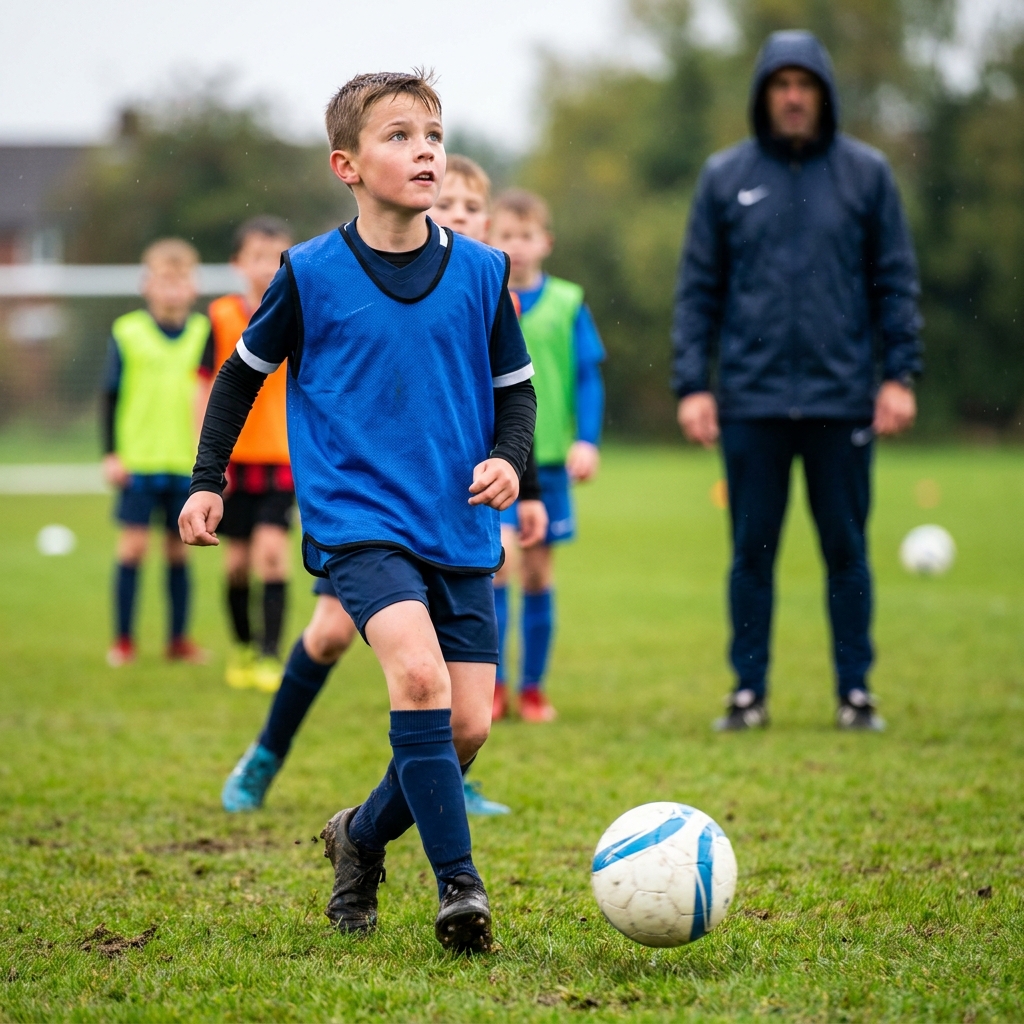
Under FutureFit, your Under-9s stay at 5v5, your Under-11s stay at 7v7 and your Under-13s stay at 9v9. Same pitch, same numbers, one more year. Here is how to make sure that year feels like a step forward rather than a repeat.
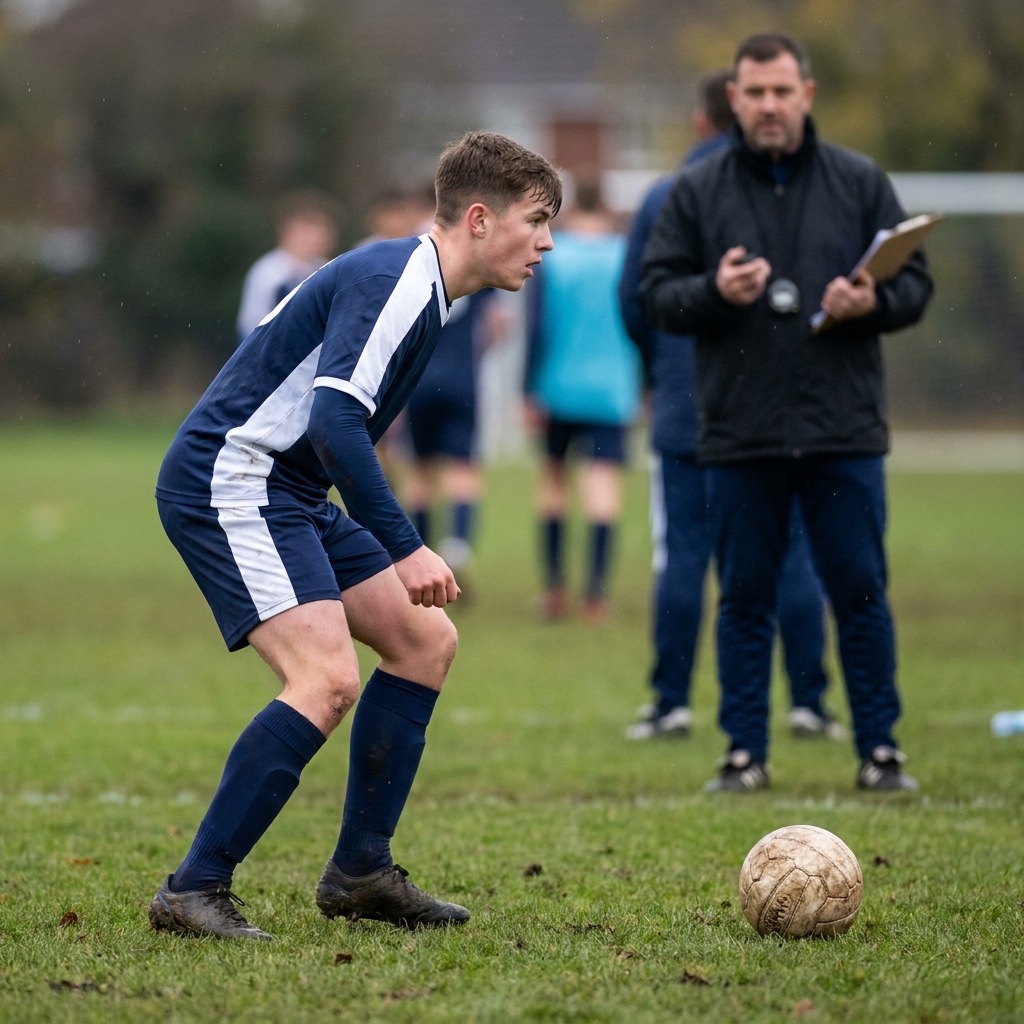
Most 1v1s are lost in the first second, when the defender rushes in and dives. Teach your players to slow the attacker down, take away the dangerous option and pick the right moment, and they will win far more of them.
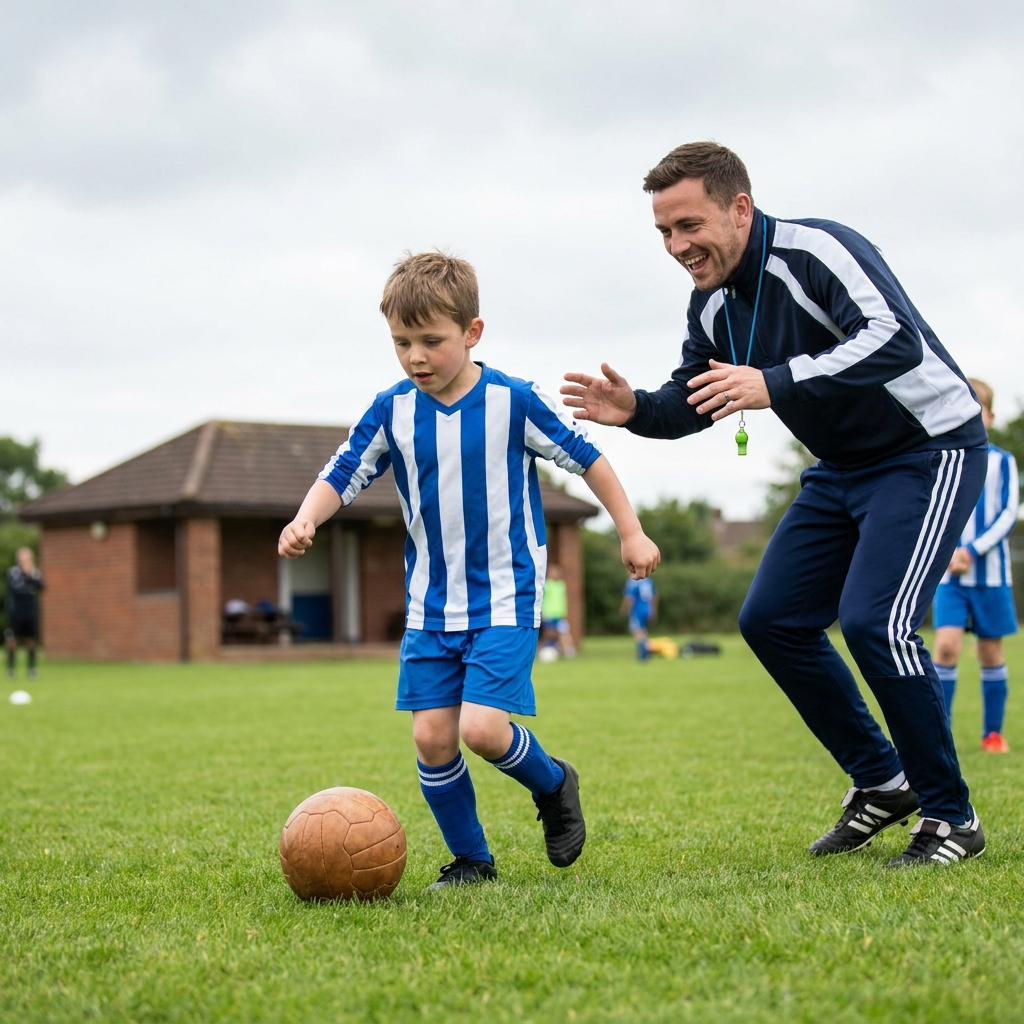
The FA's FutureFit framework lands this season, bringing a 3v3 entry format at Under-7s. Here is what actually changes on a Saturday morning, and how to coach it well.