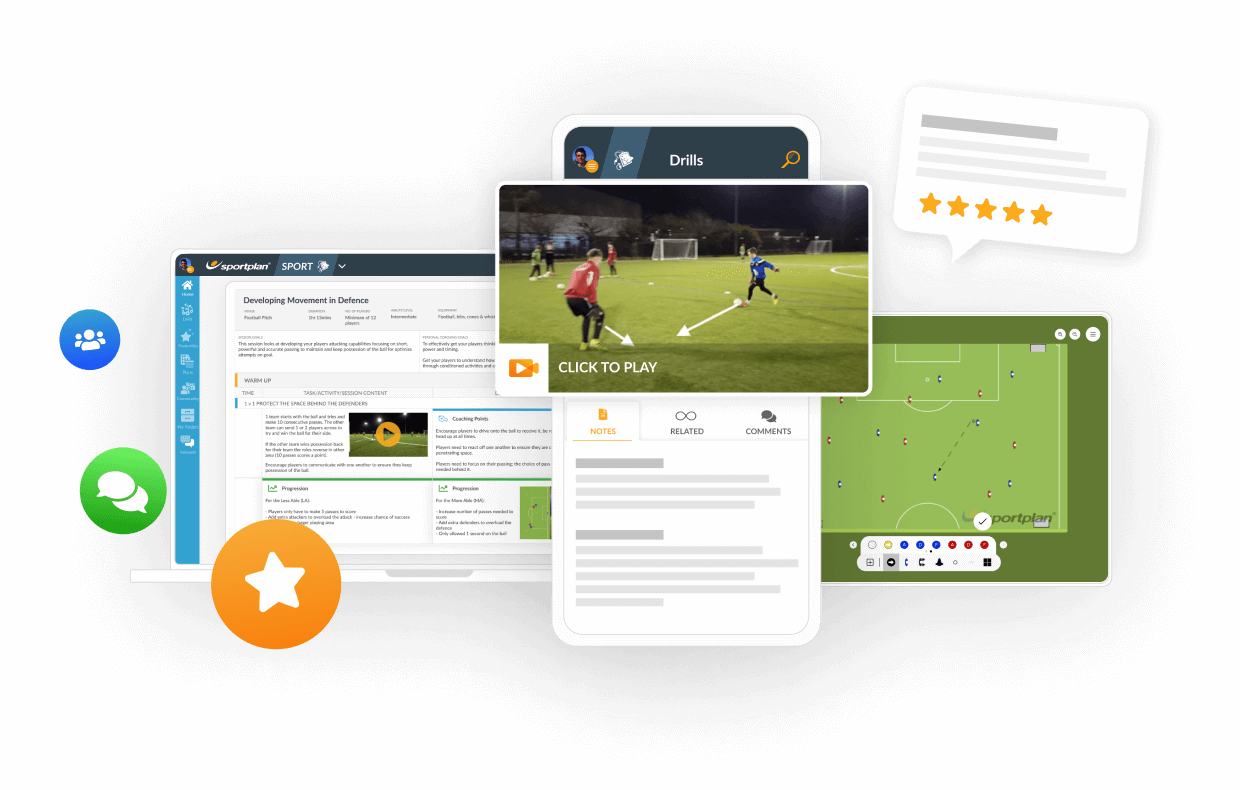
Grid to be used as a vidual referecne for space and positioning.
GK, 2 Centre defenders, 2 Wide players, 2 Cenrte mids, 1 FW (8) vs 5 DFs.
To begin, Red team trying to keep ball vs. blues who try to win it and go to goal
Progressions
This setup, as others, can be adjusted depending on numbers, the system you play, positions etc.
The diagram details 2 Deeper central midfielders - with one fotward players, or maybe an attacking mid in a central 3. The positins can be adjusted as you see fit.
This deals with the same principles of previous practive - just a slightly differetn setup
Same coaching poinst as previuos
Extra things to look for.
Movement of central players
Centre DFs
Blues
in more ways than one
 sportplan_netball


in more ways than one
sportplan_football

Deliberate heading is now out of U11 grassroots matches. Here is how to coach chest, thigh and foot control so your players still win the ball in the air.
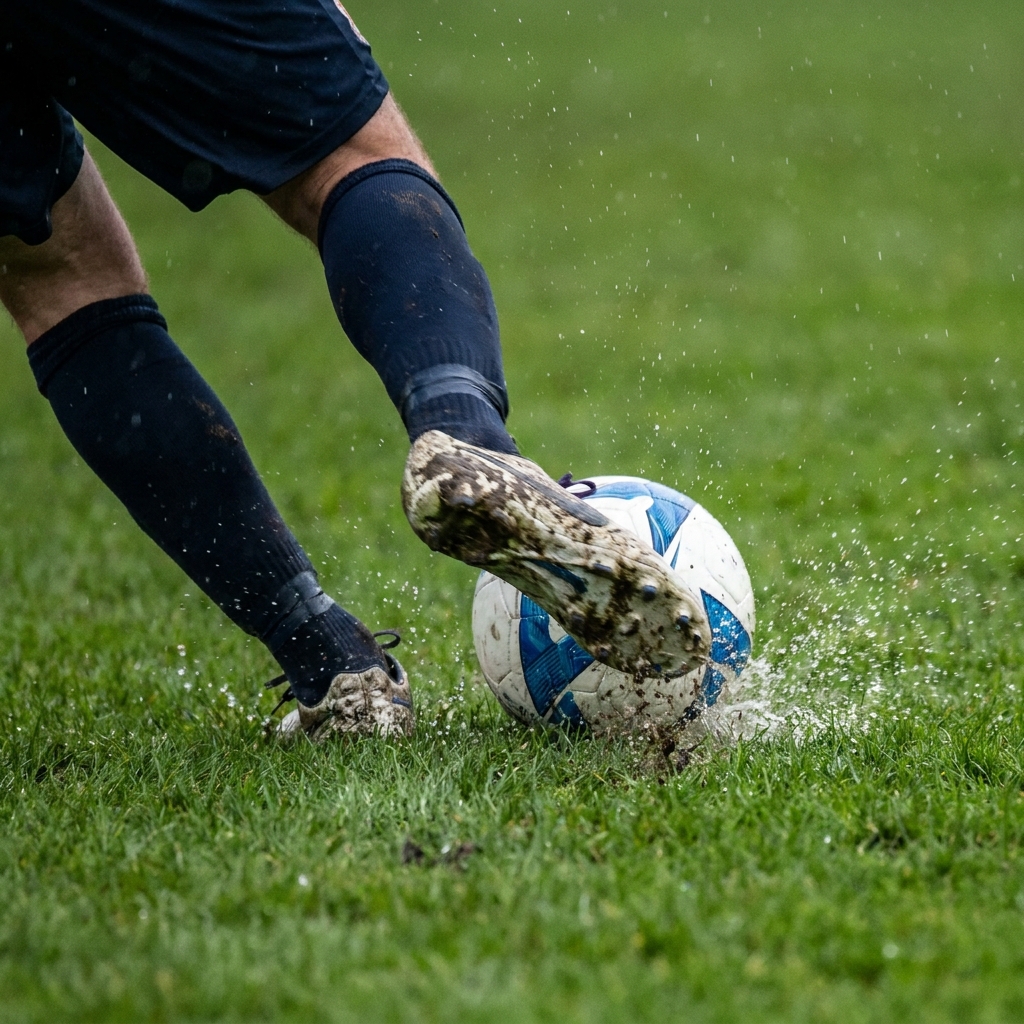
Long-range goals doubled at the 2026 World Cup as teams sat deep. Here is how to coach when to shoot from distance, the technique, and the follow-up.

Under FutureFit, your Under-9s stay at 5v5, your Under-11s stay at 7v7 and your Under-13s stay at 9v9. Same pitch, same numbers, one more year. Here is how to make sure that year feels like a step forward rather than a repeat.