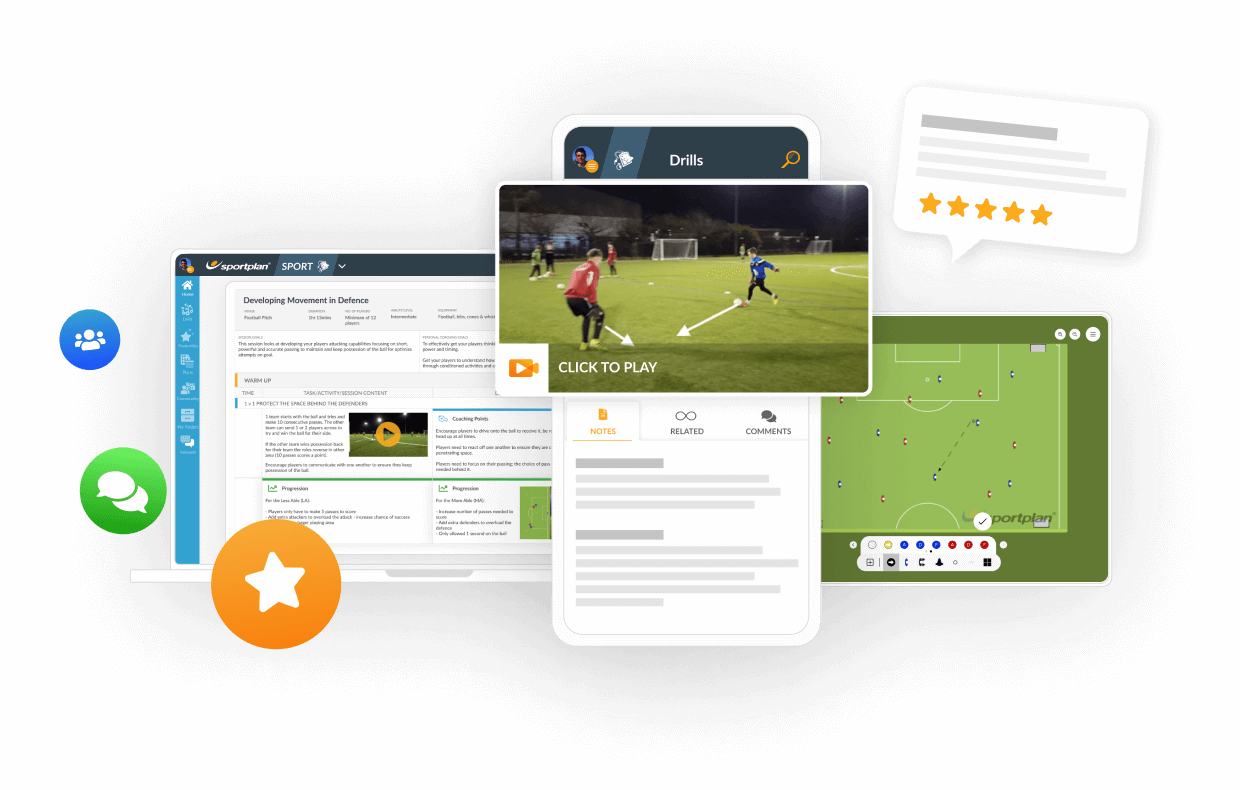
Numnerous 10x10 (at the most) squares. 1vs1 in each suqre with a floater on the edge who plays for the player in possession.
Setup:
player in middle has to keep ball away from defender for as long as possible.
support player on outside is there if the player needs support. Only use when under real threat of losing the ball.
support player moves around to get into good support positions
if pass to support player, then player in middle gives another angle and receives again and repeats
Variations/Progressions
support player comes into grid and swaps with middle player and has to shield ball
make a 2vs1 when support player is passed to.
player on outside gets into the worst support position to put player in middle under pressure.
This is a very simple setup and practice, but is great exercise - especially fro young players, to help them get good on the ball under pressure.
This practice is all about being able to stay on the ball as an individual, but giving the players passing options sometimes too.
It is important to explain how this relates to the game and to the style of play we wish to employ.
Namely, how smetimes there might not be a passing option, so we will have to stay on the ball, and keep it, but we mush also try and find a passing option, and when it does become availiable, then trying to find that pass.
This practice will help that as passing options will sometime be there, and then someyimes they will not, so it helps players think about this.
Being able to stay on the ball and protect it.
Being able to get themselves out of an awkward situation and outiwt and outmaneuver the opponent, to get some space.
Twisting, turning, 1vs1 moves/turns.
Getting head up to try to find a pass.
in more ways than one
 sportplan_netball


in more ways than one
sportplan_football
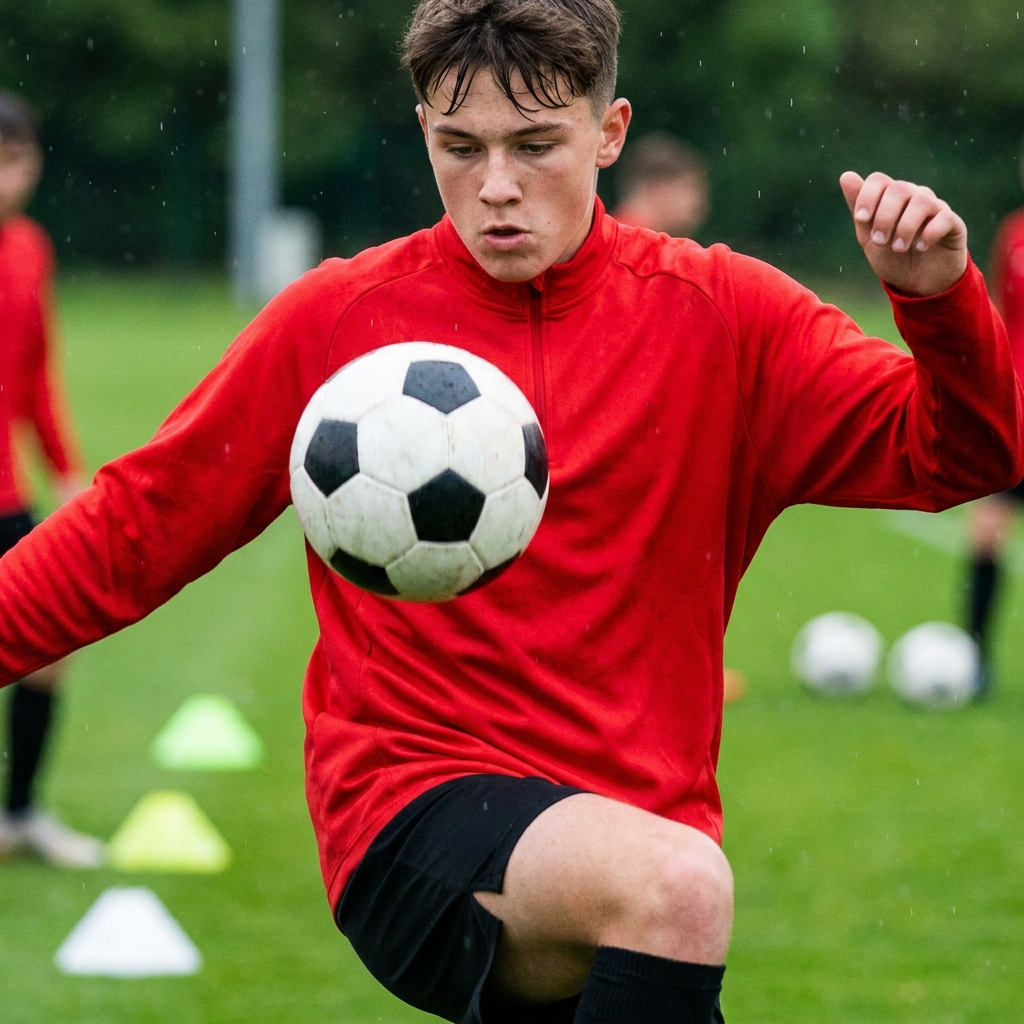
Deliberate heading is now out of U11 grassroots matches. Here is how to coach chest, thigh and foot control so your players still win the ball in the air.
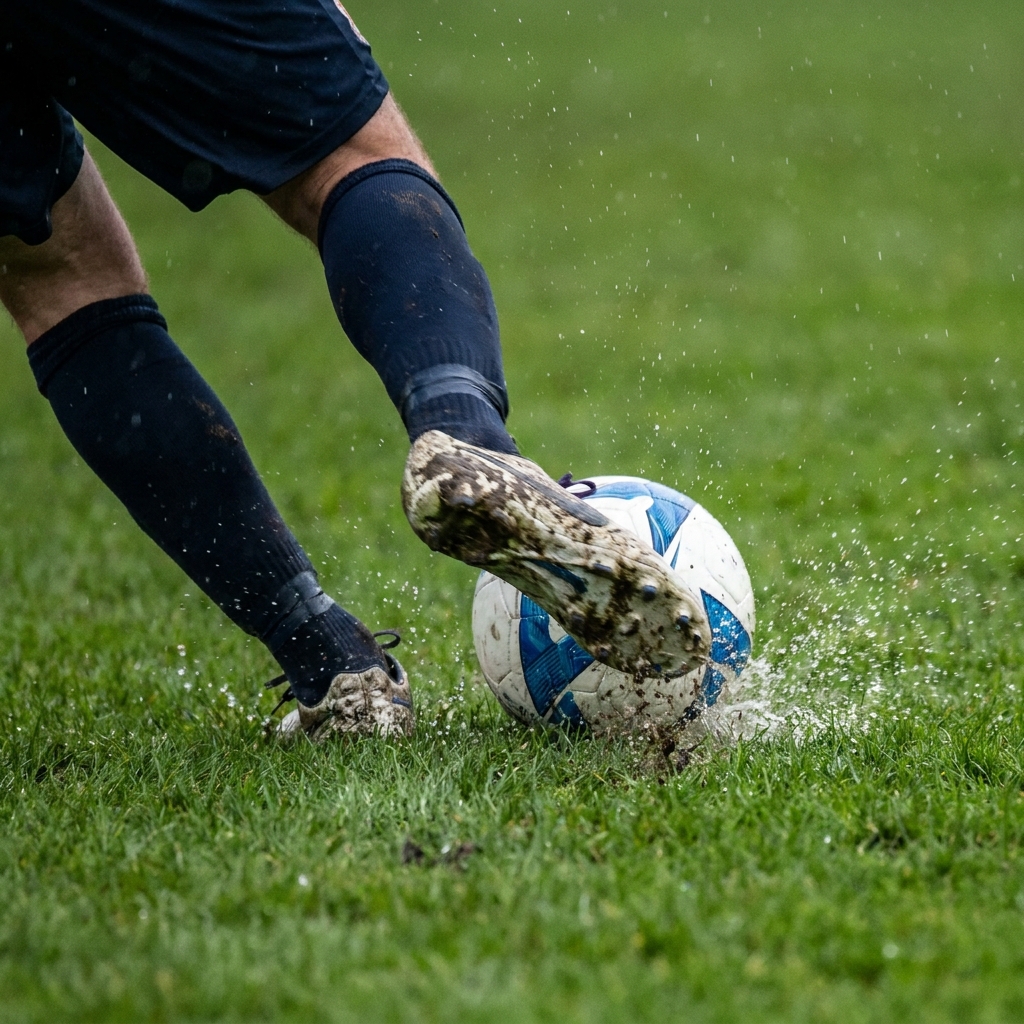
Long-range goals doubled at the 2026 World Cup as teams sat deep. Here is how to coach when to shoot from distance, the technique, and the follow-up.
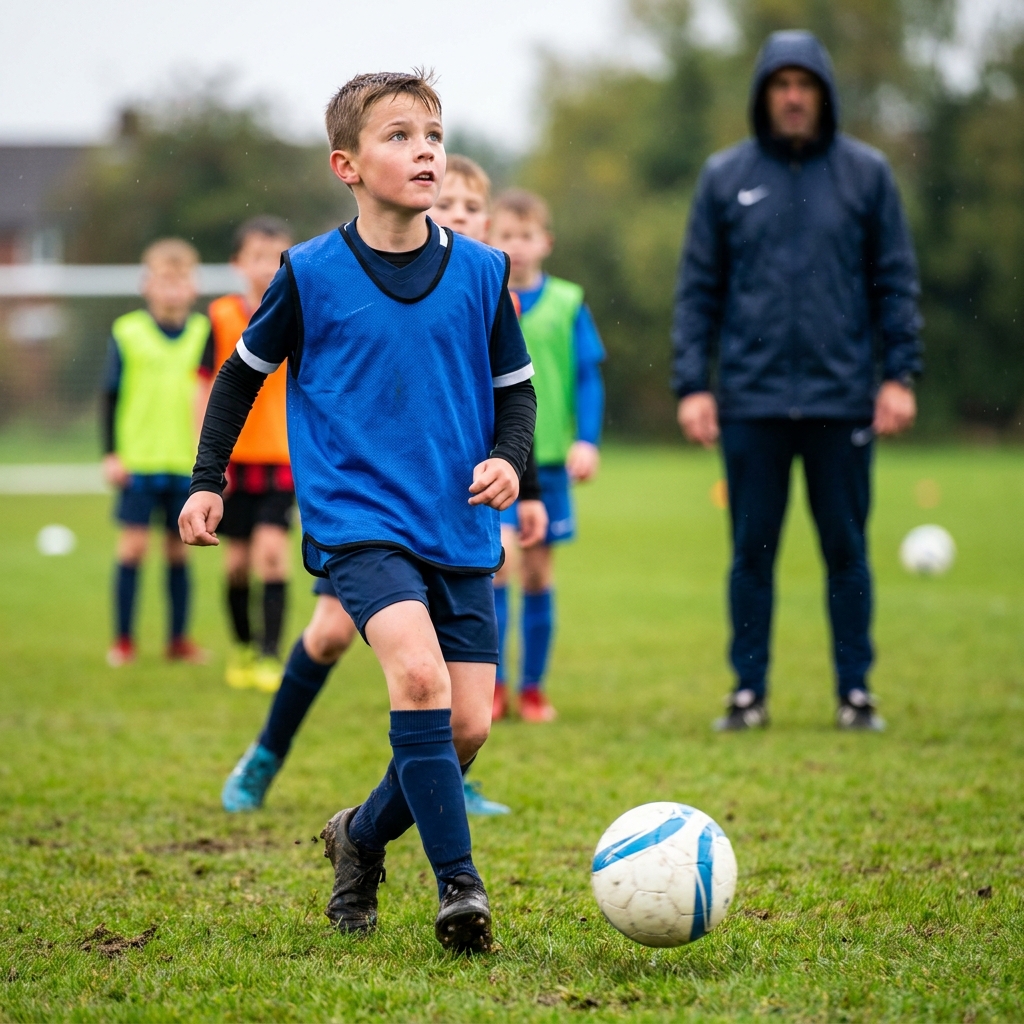
Under FutureFit, your Under-9s stay at 5v5, your Under-11s stay at 7v7 and your Under-13s stay at 9v9. Same pitch, same numbers, one more year. Here is how to make sure that year feels like a step forward rather than a repeat.