Large rectnagle further split into smaller grids
1vs1 in each grid - players have to remain in their grid.
1 ball between each pair
Players are playing a 1vs1 and have to keep ball away from partner as long as possible. If partner gets it, then roles reverse.
Progressions
Individual ball retention skills
Try to stay on teh ball for as long as possible.
Use of body to protect.
Twisting, turning, deceiving, to stay on ball.
1vs1 moves/turns to get away and get some space.
Awareness of space and surroundings.
When there is not a pass on, stay on the ball. Dveloping the mentality, composure, and skills to be able to do this
Talk about staying on the ball and how this relates to the phiosophy and style of play, and how this will benfit them as a player and as a team.
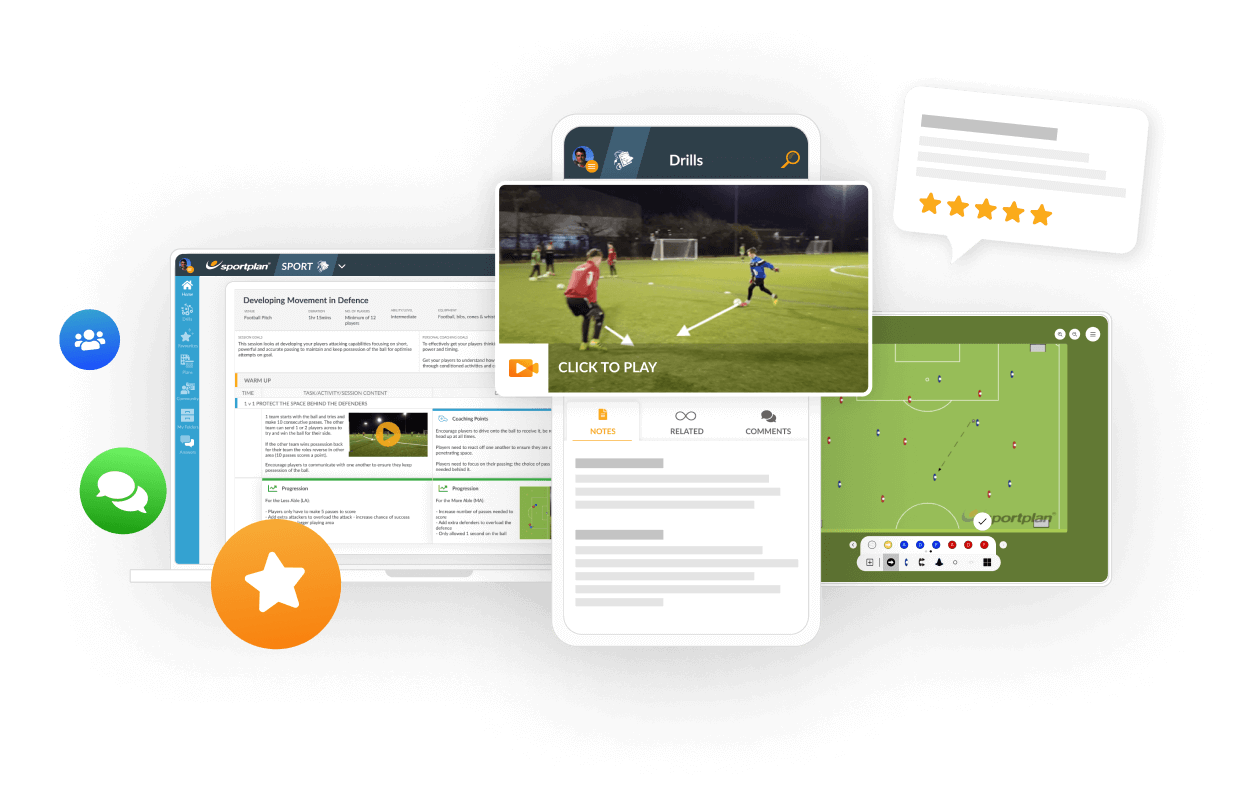
in more ways than one
 sportplan_netball

in more ways than one
sportplan_football
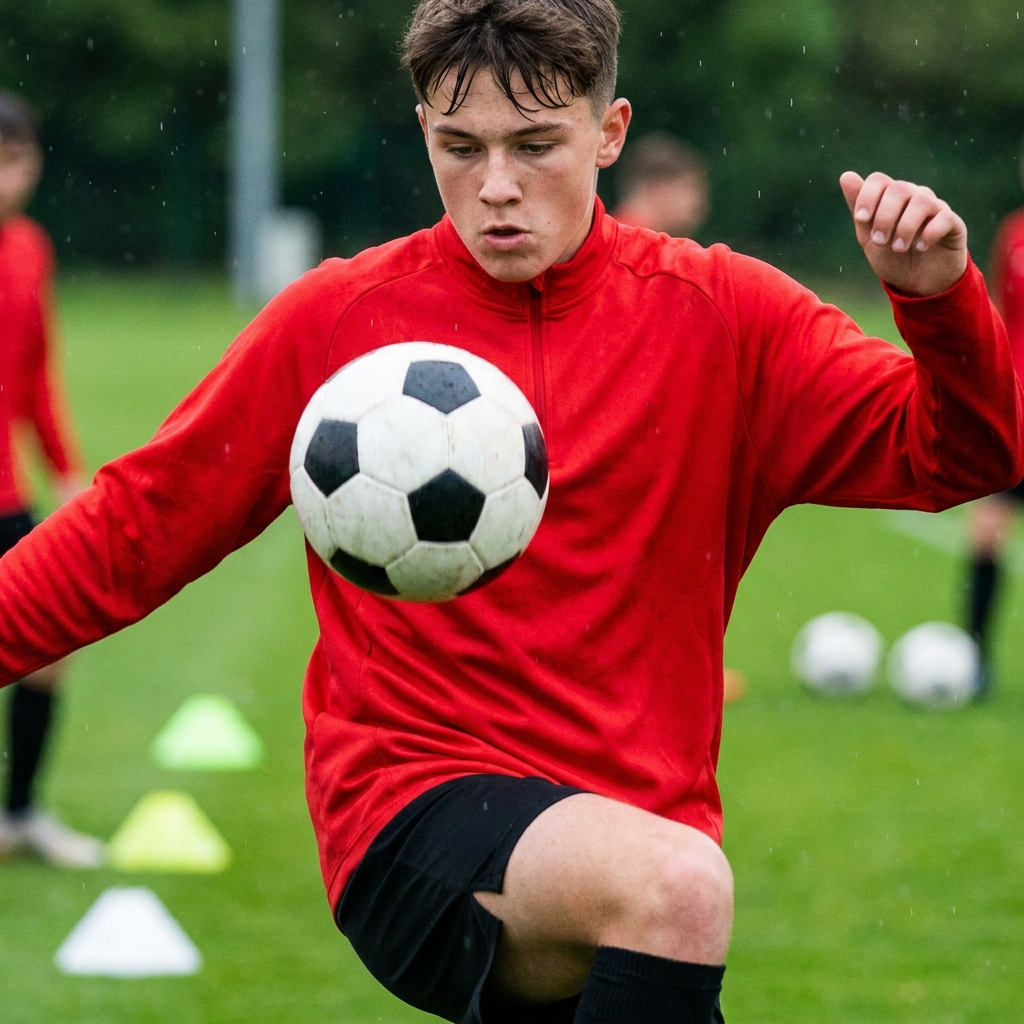
Deliberate heading is now out of U11 grassroots matches. Here is how to coach chest, thigh and foot control so your players still win the ball in the air.
Long-range goals doubled at the 2026 World Cup as teams sat deep. Here is how to coach when to shoot from distance, the technique, and the follow-up.
Under FutureFit, your Under-9s stay at 5v5, your Under-11s stay at 7v7 and your Under-13s stay at 9v9. Same pitch, same numbers, one more year. Here is how to make sure that year feels like a step forward rather than a repeat.