Possession team (reds + GKs) vs. Defending team (blues) - 9vs5 in diagram
Possession team have to try and possess ball and play from GK-to-GK
Defending team have to try and win ball back from Possession team and can score in either goal.
Split pitch into thirds, with the middle third further split into quarters.
An end zone is alos at each end - this is a safe xone for the GK to begin with. Defending team cannot pressure GK to begin with
Progress to can pressure GK
Possession team have to play through the thirds to go from end to end.
It is importnat to paint the picture for the players, and explain the links to the game
Explain that the phase of the game we want to be in, is the in possession phase, where we have secure possession and we are making the field as big as possible
Priniples of the game - Width, depth, support, movement, penetration, improvisation
In Possession
When possession team has the ball, they are positioned in each of their thrids. DFs in defensive thrid, midfielders in midfield third.
The main purpose of the practice is to start to develop a style of play -which is playing out from the back, into midfield, and through the thirds to advance forward.
The 4 moments of the game - they will all be included in this practice.
GK
DFs
MFs
When in possession of the ball - we are all attackers - we just have a different responsibility and role in the attack - depending on our position on the field.
The reverse also applies, when we are not in possession - we are all DFs, and our aim is the win the ball back.
Out of Possession
When the possession team lose the ball, they do not have to stay wihtin their thirds, they can recover defensively
Adoption of a defensive mentality as soon as you have lost the ball
Can you try and win the ball back as qwuickly as possible
in more ways than one
 sportplan_netball


in more ways than one
sportplan_football
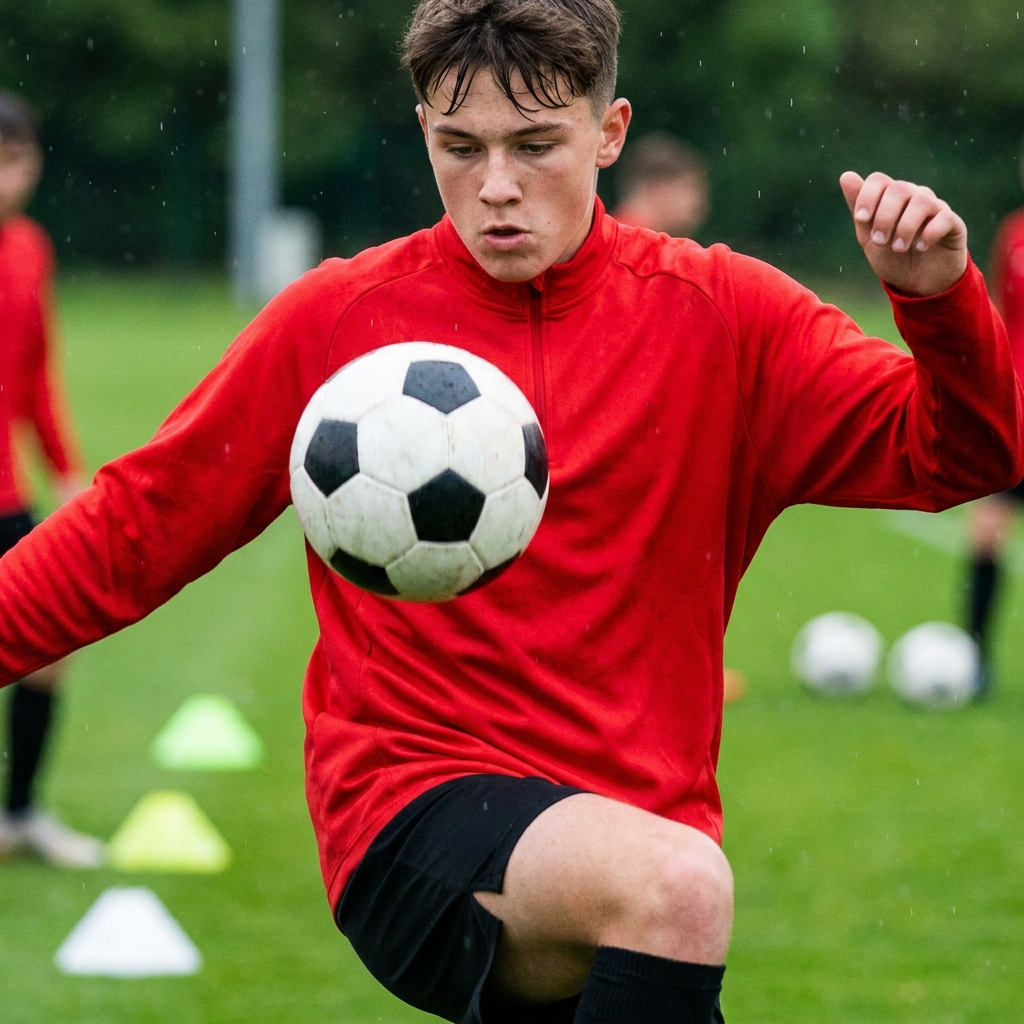
Deliberate heading is now out of U11 grassroots matches. Here is how to coach chest, thigh and foot control so your players still win the ball in the air.
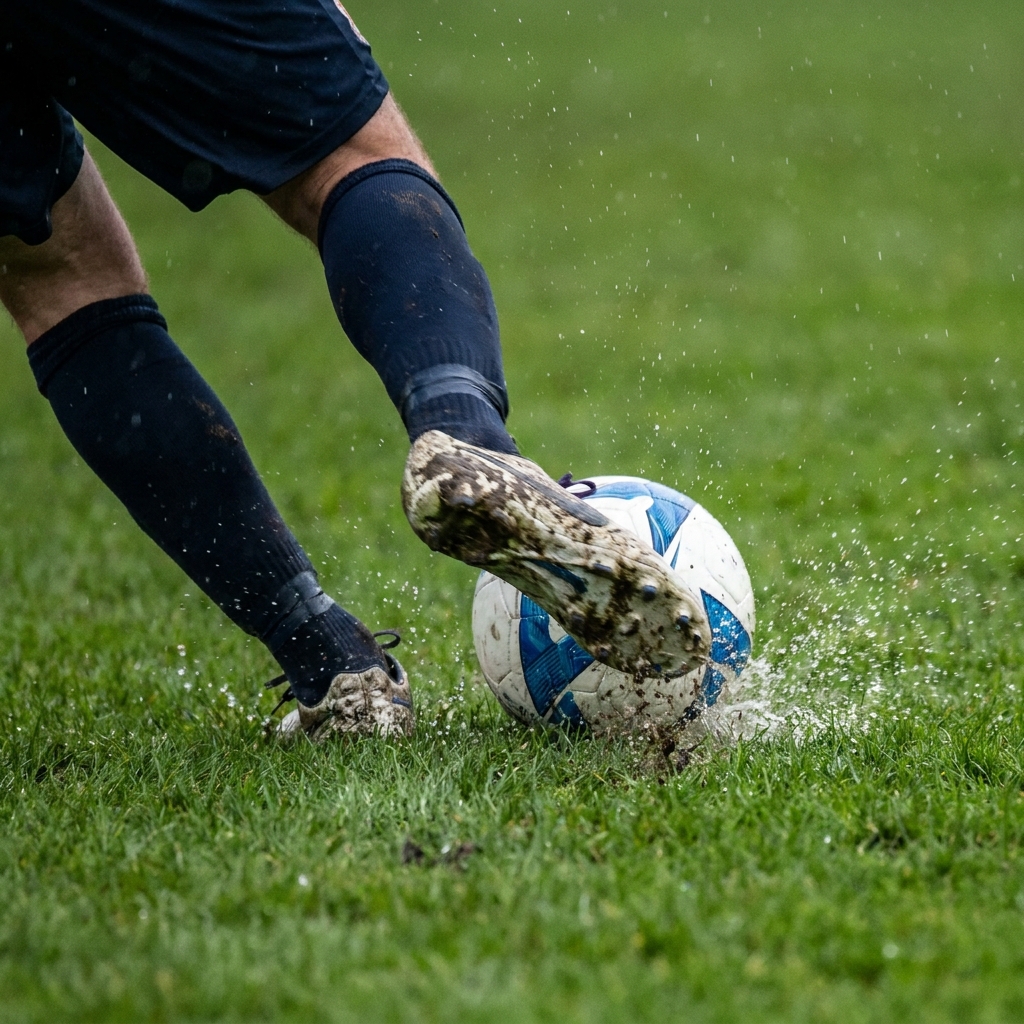
Long-range goals doubled at the 2026 World Cup as teams sat deep. Here is how to coach when to shoot from distance, the technique, and the follow-up.
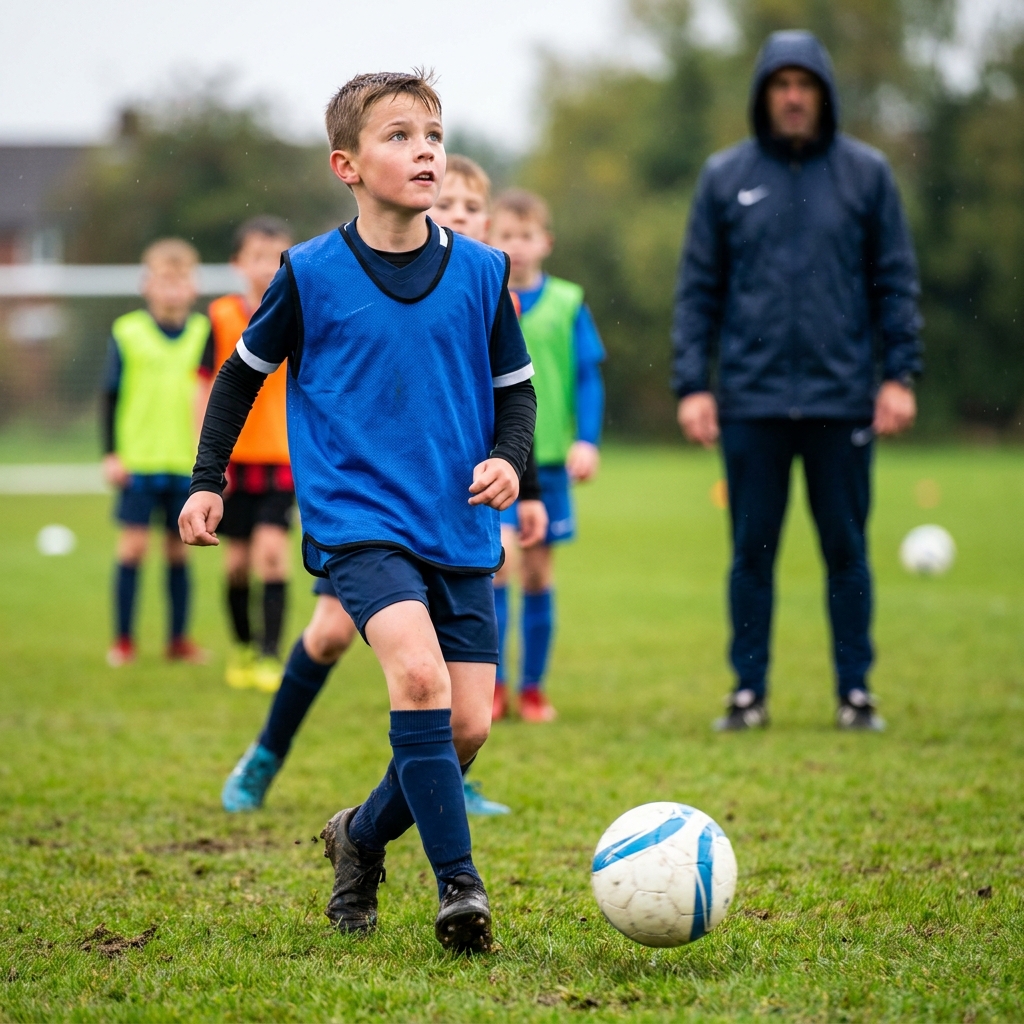
Under FutureFit, your Under-9s stay at 5v5, your Under-11s stay at 7v7 and your Under-13s stay at 9v9. Same pitch, same numbers, one more year. Here is how to make sure that year feels like a step forward rather than a repeat.