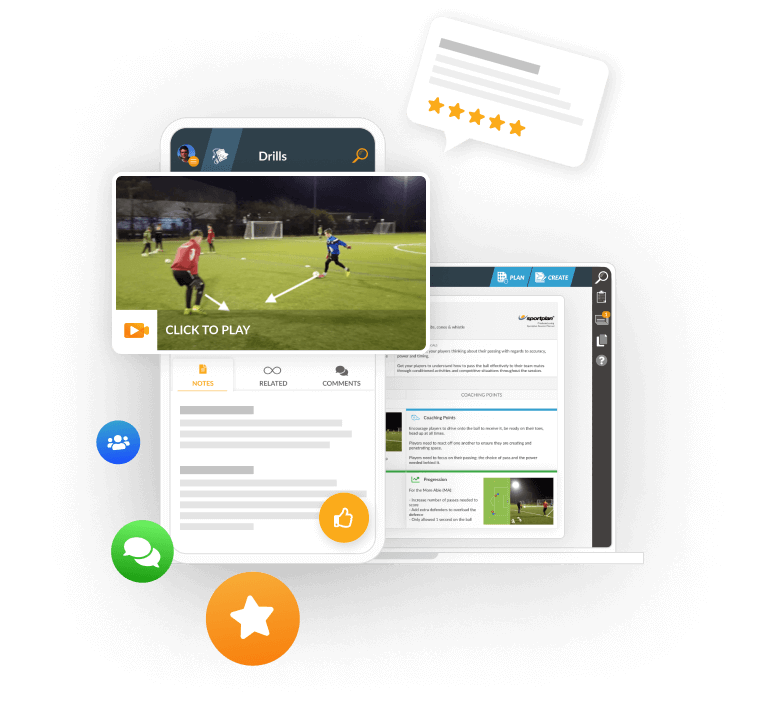
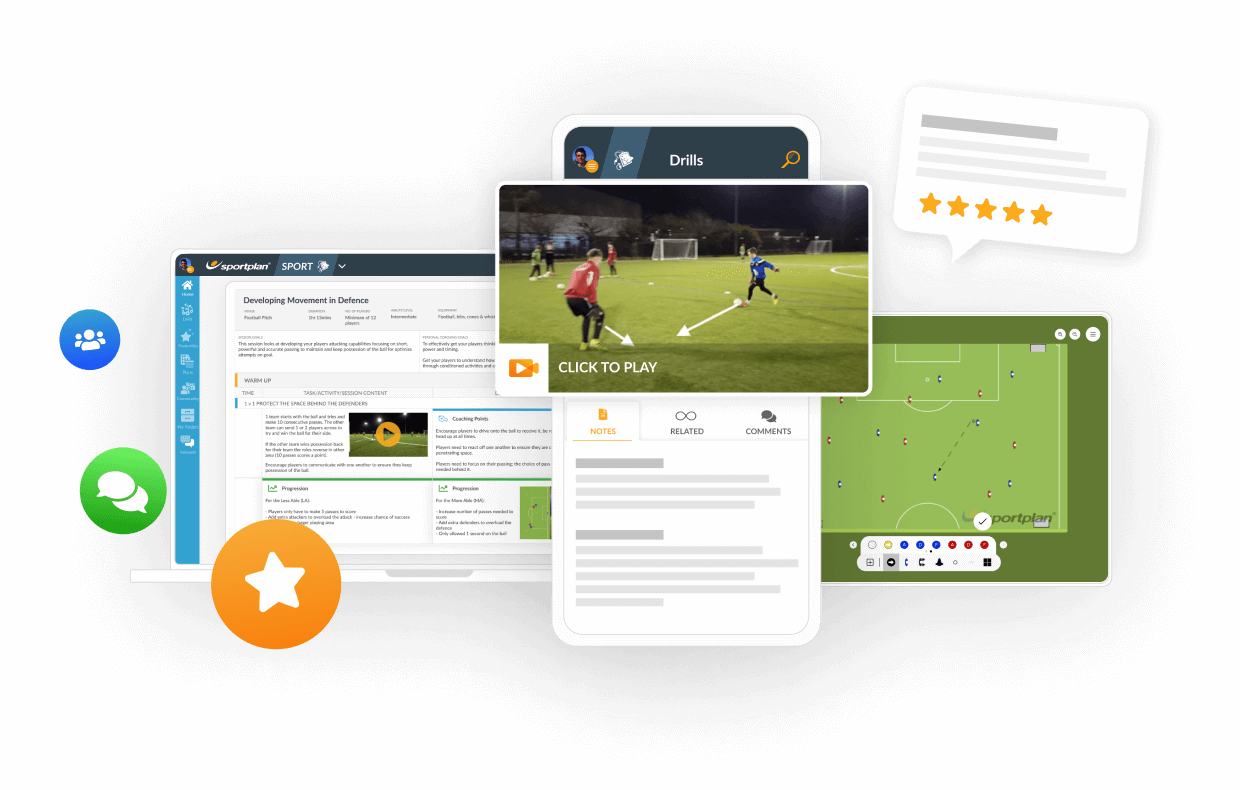
Developing on from playing form the back session and playing through midfield.
Aim of the session is to try and play through/ score via utilising the wide channels. There is no restrictions on the game but if they score via/ after playing through the wide channeld then they get 3 goals as oppose to 1.
Encourage positivity in a 1v1 scenario, encourage positive forward play, how can they create space out wide. Speed and creativity in 1v1, quality in decision making ie ball into box/ playing someone through.
Still wanting to try and play out from the back, so quick movement from the defenders when the keeper recieves the ball and confidence to receive under pressure. How can central players utilise space to create a 1v1 situation for wingers.
Timing and variation of movement from strikers when attacking the box
Recieve beyond opposing player, when got ball utilise the width of the pitch.
Bring in transition into defensive shapre when you lose the ball.
Give individual challenges/ coaching points.
in more ways than one
 sportplan_netball

in more ways than one
sportplan_football
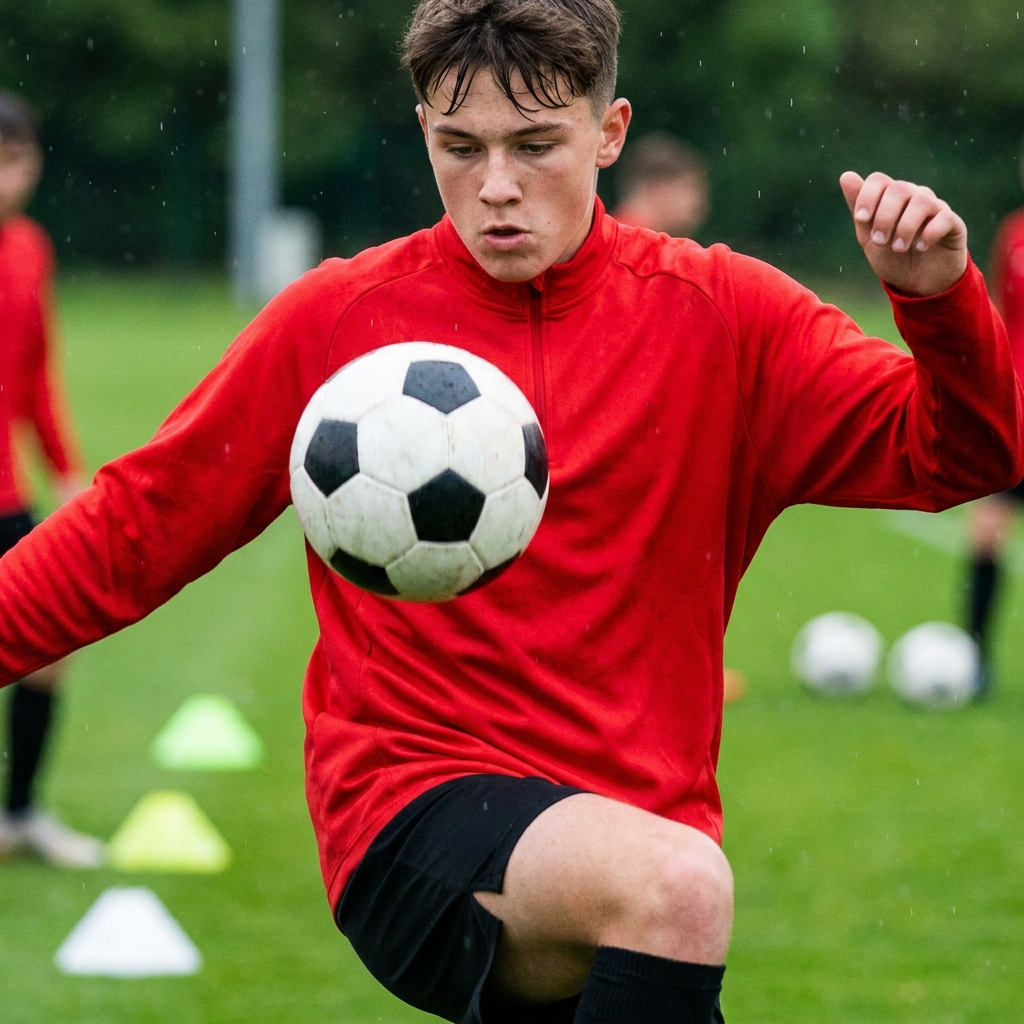
Deliberate heading is now out of U11 grassroots matches. Here is how to coach chest, thigh and foot control so your players still win the ball in the air.
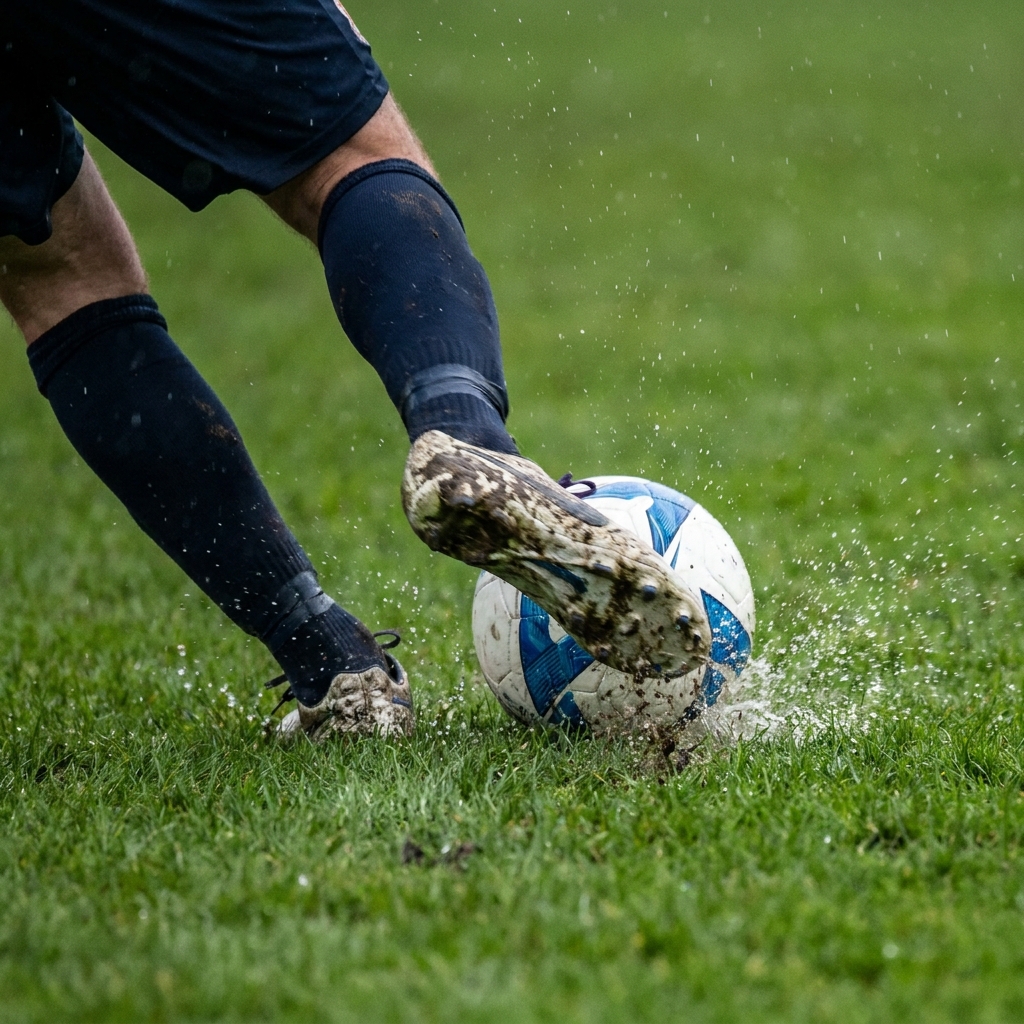
Long-range goals doubled at the 2026 World Cup as teams sat deep. Here is how to coach when to shoot from distance, the technique, and the follow-up.
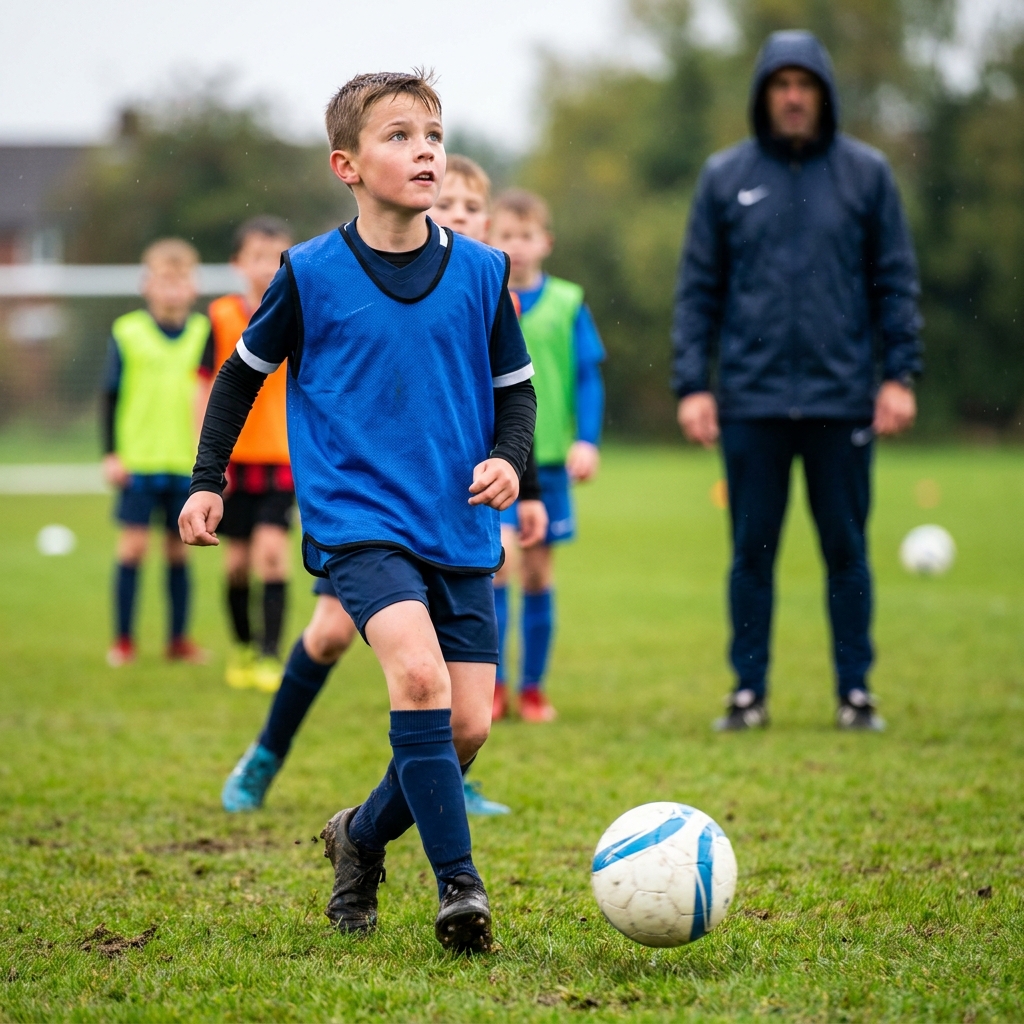
Under FutureFit, your Under-9s stay at 5v5, your Under-11s stay at 7v7 and your Under-13s stay at 9v9. Same pitch, same numbers, one more year. Here is how to make sure that year feels like a step forward rather than a repeat.