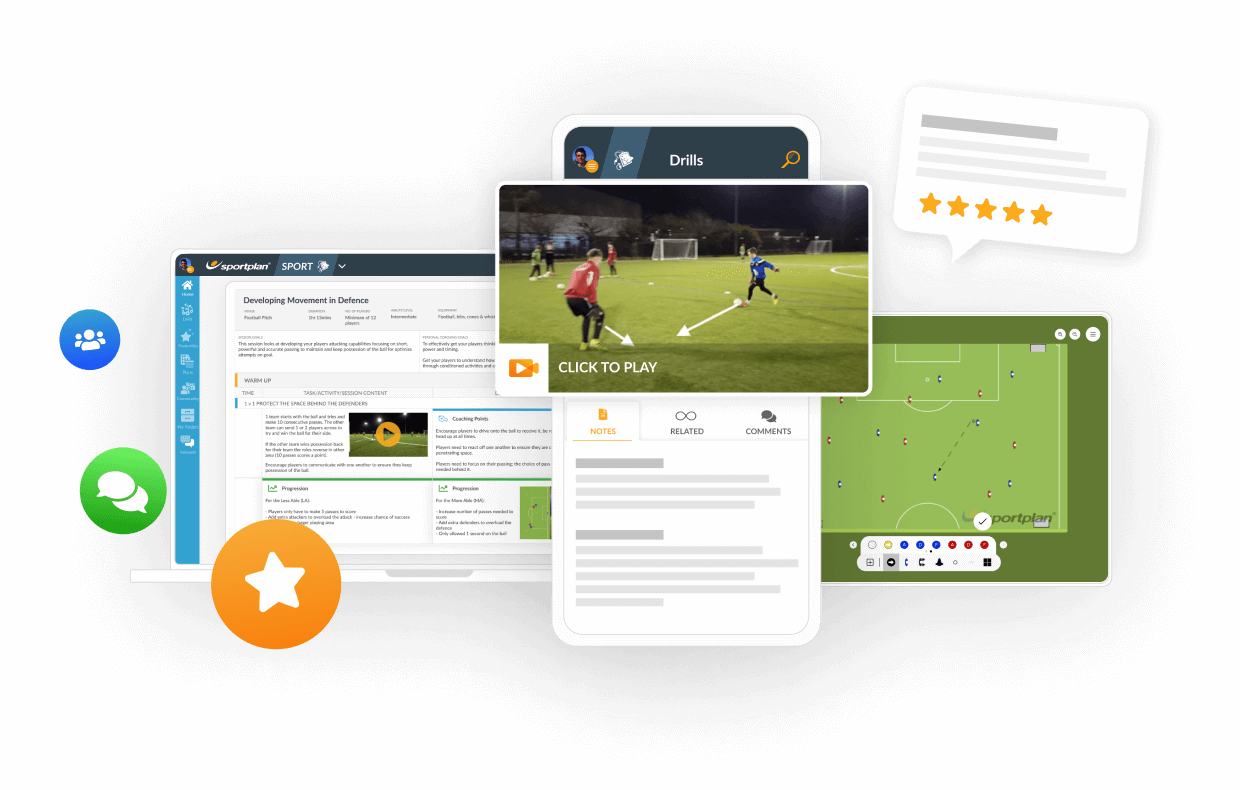
There is one defender by the goal post, one performer on the edge of the box and a line of other performers halfway between the 18 yard box and half way line. The first person in the line passes the ball to the performer on the box, they turn and are now in a 1&1 situation with a defender, the aim is for them to score. The performer who has just attacked will replace the defender and the next person in the line will be placed on the edge of the box ready for the next go.
- This is a competitive situation as its follwing the official rules/regulations but also mimics a real life competitive situation e.g. counter attack.
- As a coach, i will analyse the touch of the performer into play and there overall attacking skill e.g. dribbling/finishing/agility/speed.
- Its also important to watch the defenders positioning e.g. pushing the attacker onto there weak foot etc
in more ways than one
 sportplan_netball


in more ways than one
sportplan_football
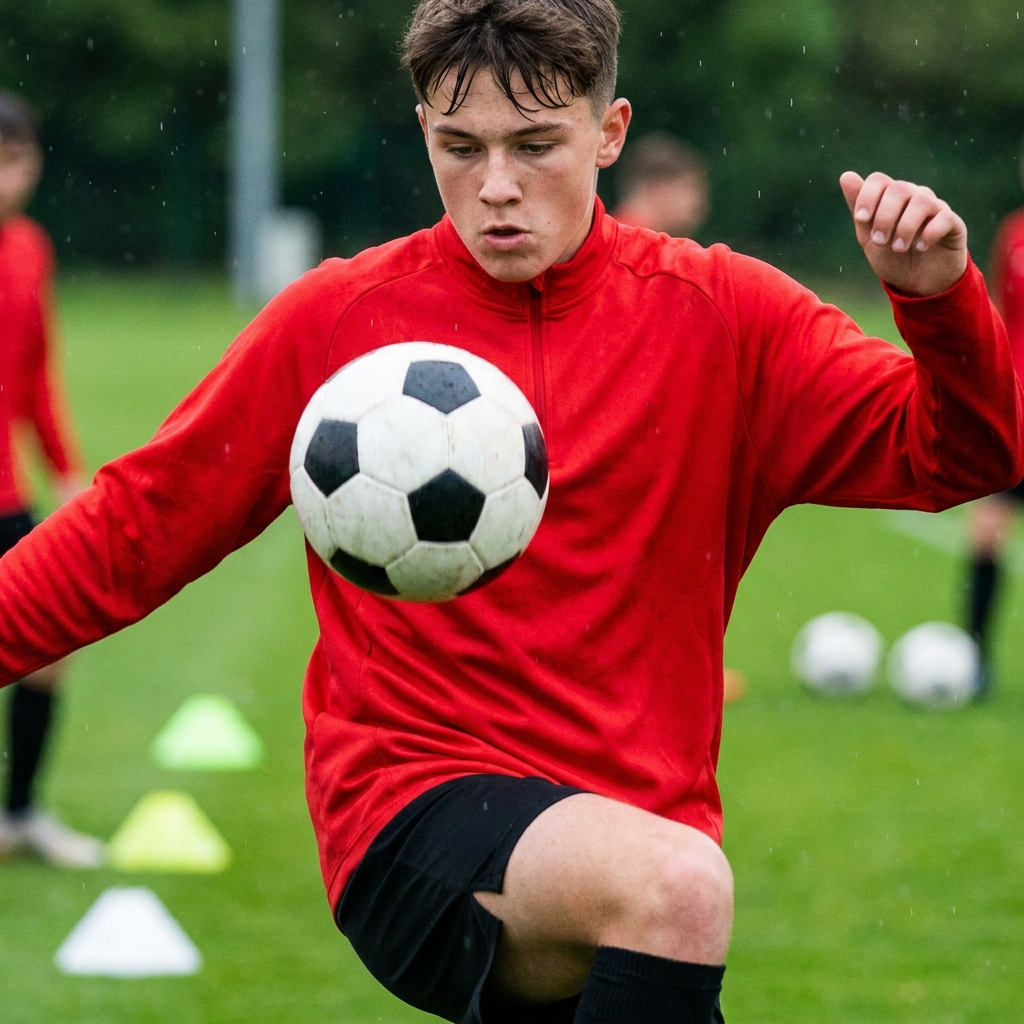
Deliberate heading is now out of U11 grassroots matches. Here is how to coach chest, thigh and foot control so your players still win the ball in the air.

Long-range goals doubled at the 2026 World Cup as teams sat deep. Here is how to coach when to shoot from distance, the technique, and the follow-up.
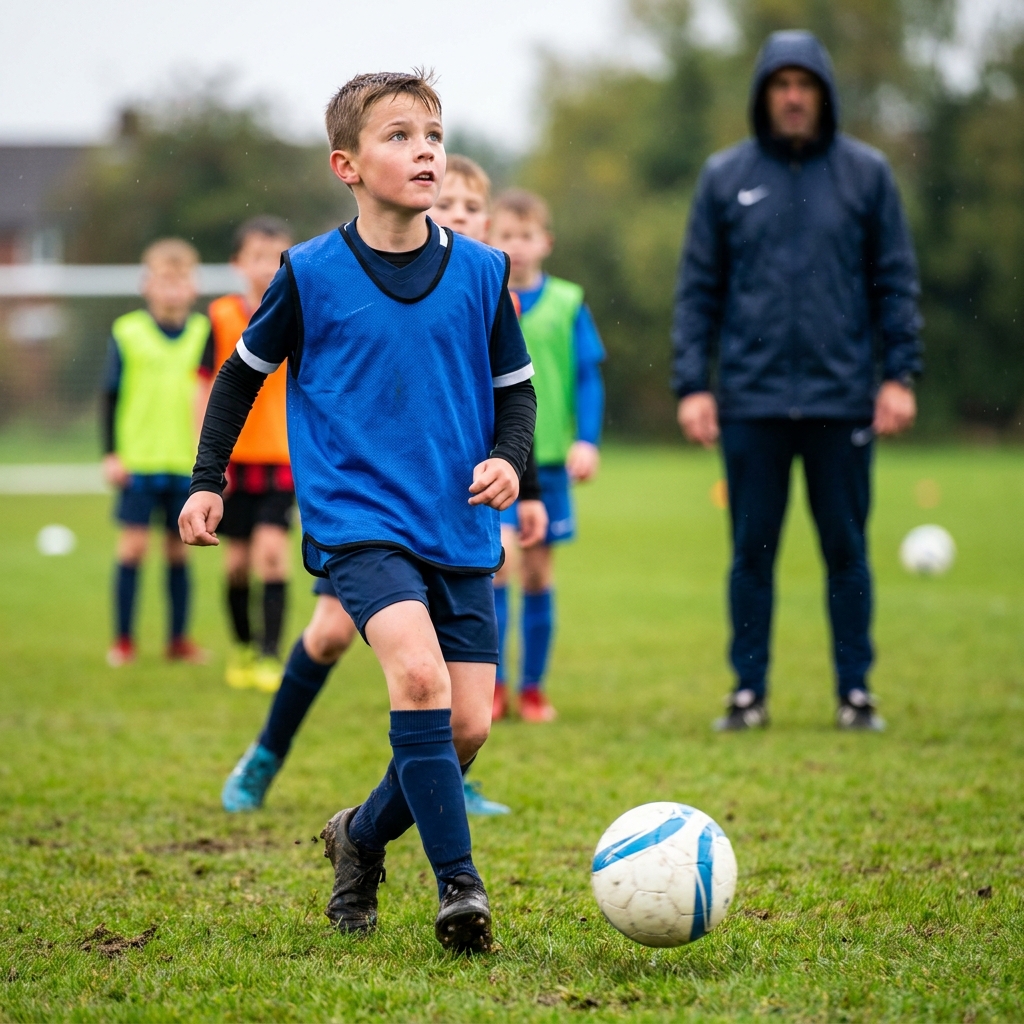
Under FutureFit, your Under-9s stay at 5v5, your Under-11s stay at 7v7 and your Under-13s stay at 9v9. Same pitch, same numbers, one more year. Here is how to make sure that year feels like a step forward rather than a repeat.