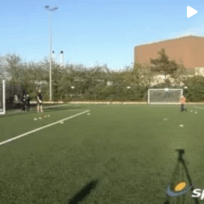
Players will line up behind a cone in pairs and wait for the whistle. On the coach's whistle, players will start sprinting from the cone, through the gates next to the post, back out and through the gates on the corner of the box, and then shoot from the penalty spot. This will be a race against your opponent in your pair, and the person who reaches the ball first takes the shot. This shot should aim to pass the goalkeeper, meaning it should be both accurate and powerful. The element of competition should put players under pressure, meaning they will have to react well to this to be able to score. The goalkeeper should be a volunteer from the team, and should be rotated every time the first pair reach the front of the queue.
1. Head over the ball.
2. Place the ball into one of the corners.
3. Put more power on the ball (with accuracy).
in more ways than one
 sportplan_netball

in more ways than one
sportplan_football
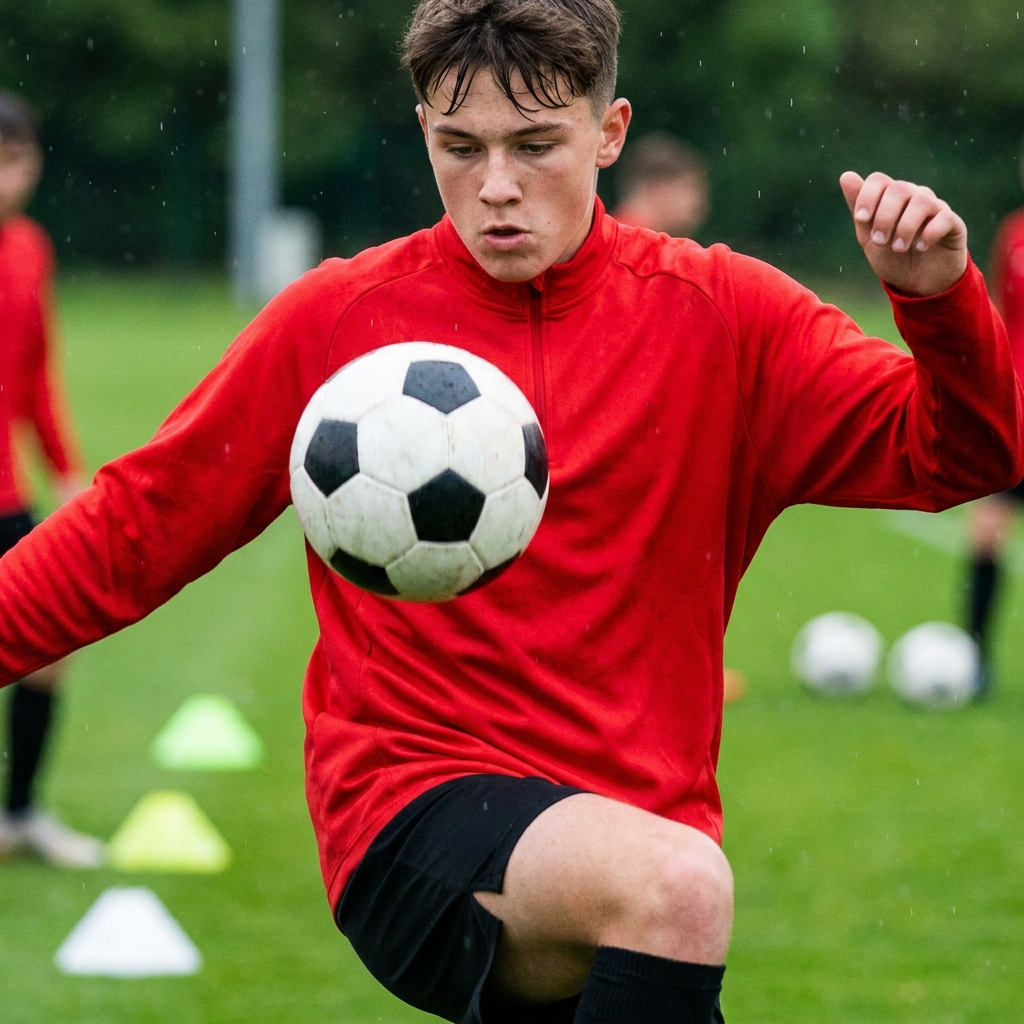
Deliberate heading is now out of U11 grassroots matches. Here is how to coach chest, thigh and foot control so your players still win the ball in the air.
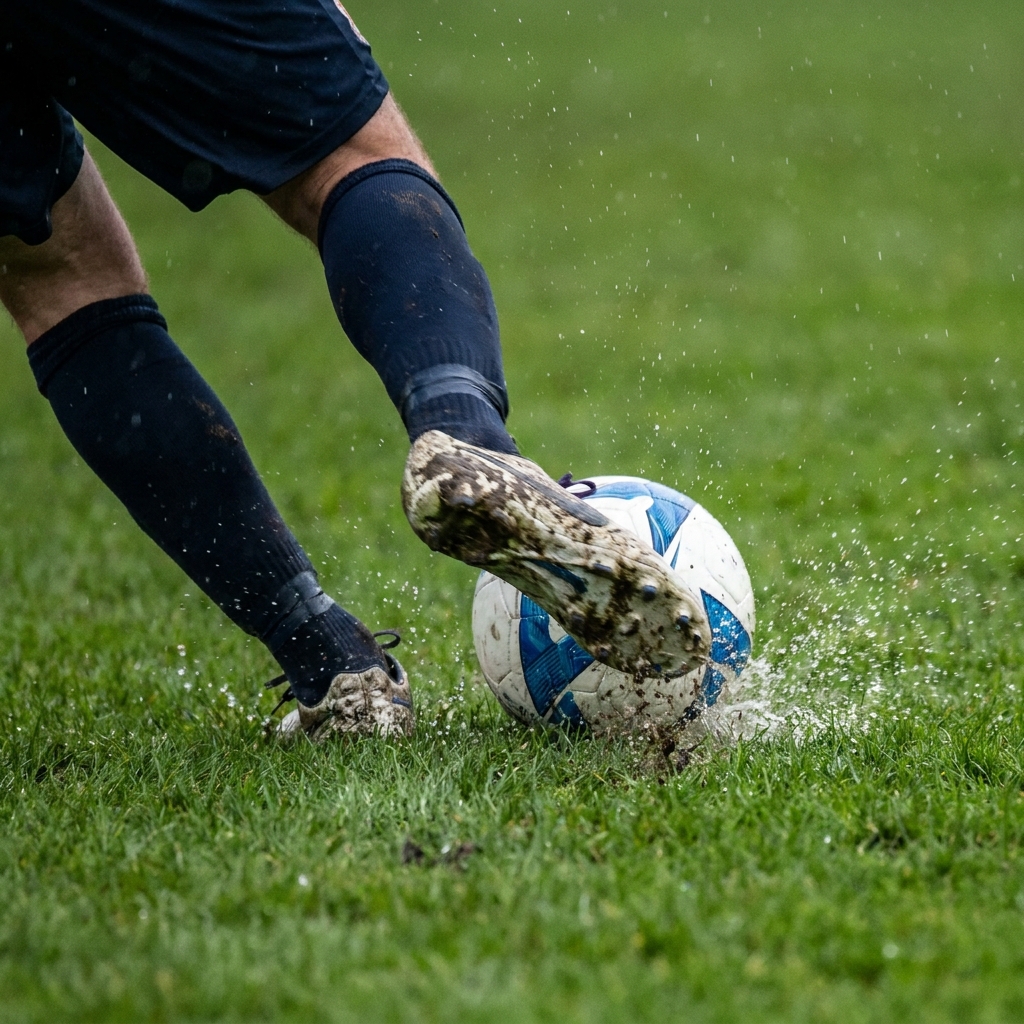
Long-range goals doubled at the 2026 World Cup as teams sat deep. Here is how to coach when to shoot from distance, the technique, and the follow-up.
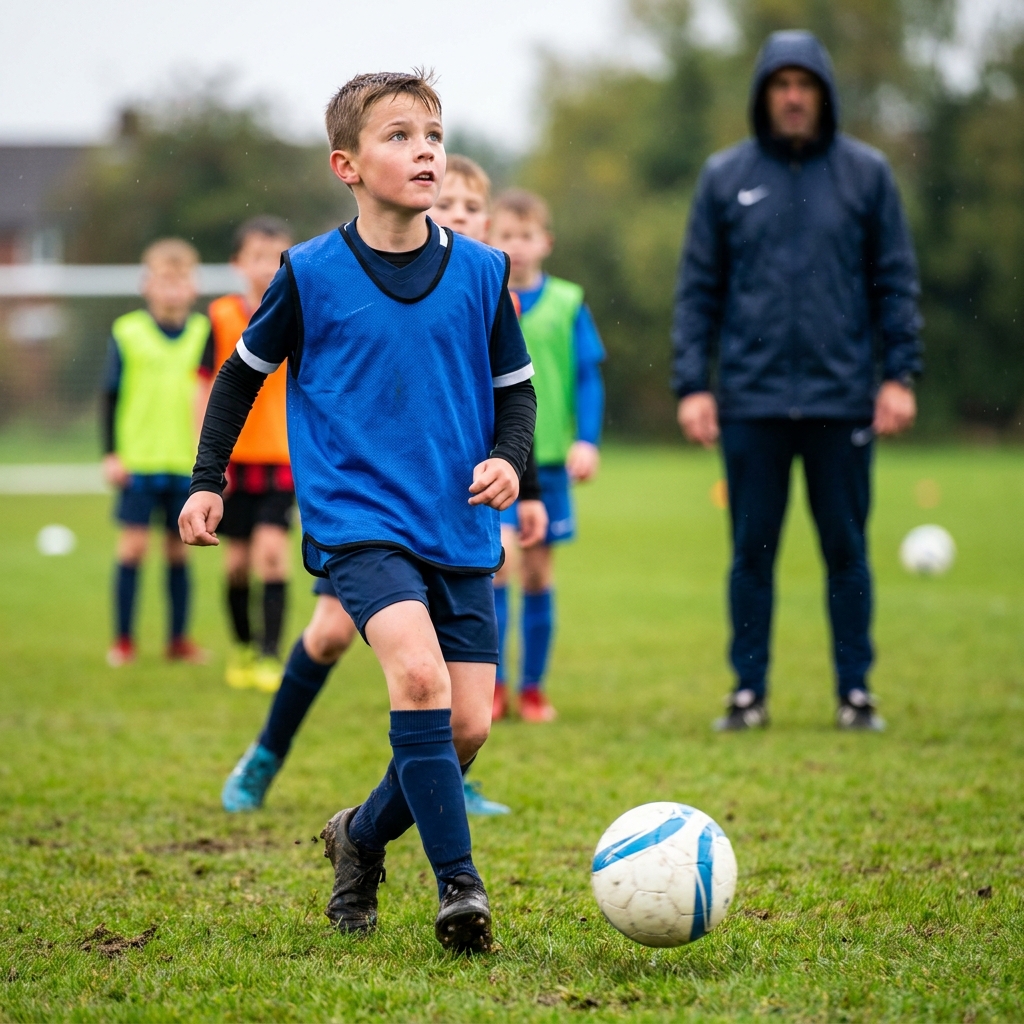
Under FutureFit, your Under-9s stay at 5v5, your Under-11s stay at 7v7 and your Under-13s stay at 9v9. Same pitch, same numbers, one more year. Here is how to make sure that year feels like a step forward rather than a repeat.