

Players will get into pairs of roughly the same ability. The first pair will stand on the 18 yd box facing towards the goal. I, the coach, will throw a ball over the heads of the two players, and when they see the ball come over their heads, they will run and take a first time shot at goal. This shot should be as powerful as possible, and players should connect with the ball via their laces. This drill incorporates a level of competition to battle for the ball, meaning they will be under pressure when shooting. The player who takes the shot collect the ball and brings it back to the feeder (coach), and then the two players who just participated in the drill will join the back of the queue. Repeat this drill until everyone has had 2/3 attempts.
1. Connect with laces.
2. Head over the ball.
3. Look up at the target.

in more ways than one
 sportplan_netball



in more ways than one
sportplan_football
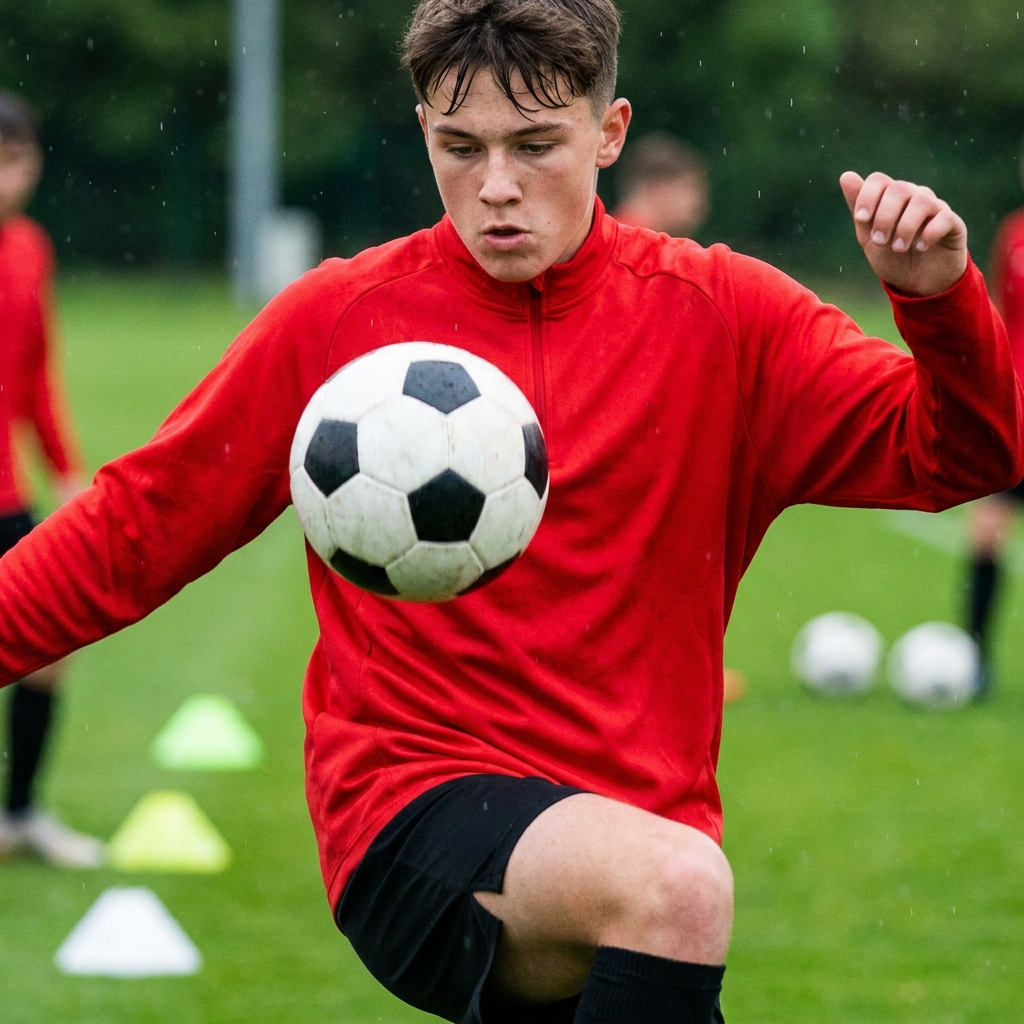
Deliberate heading is now out of U11 grassroots matches. Here is how to coach chest, thigh and foot control so your players still win the ball in the air.
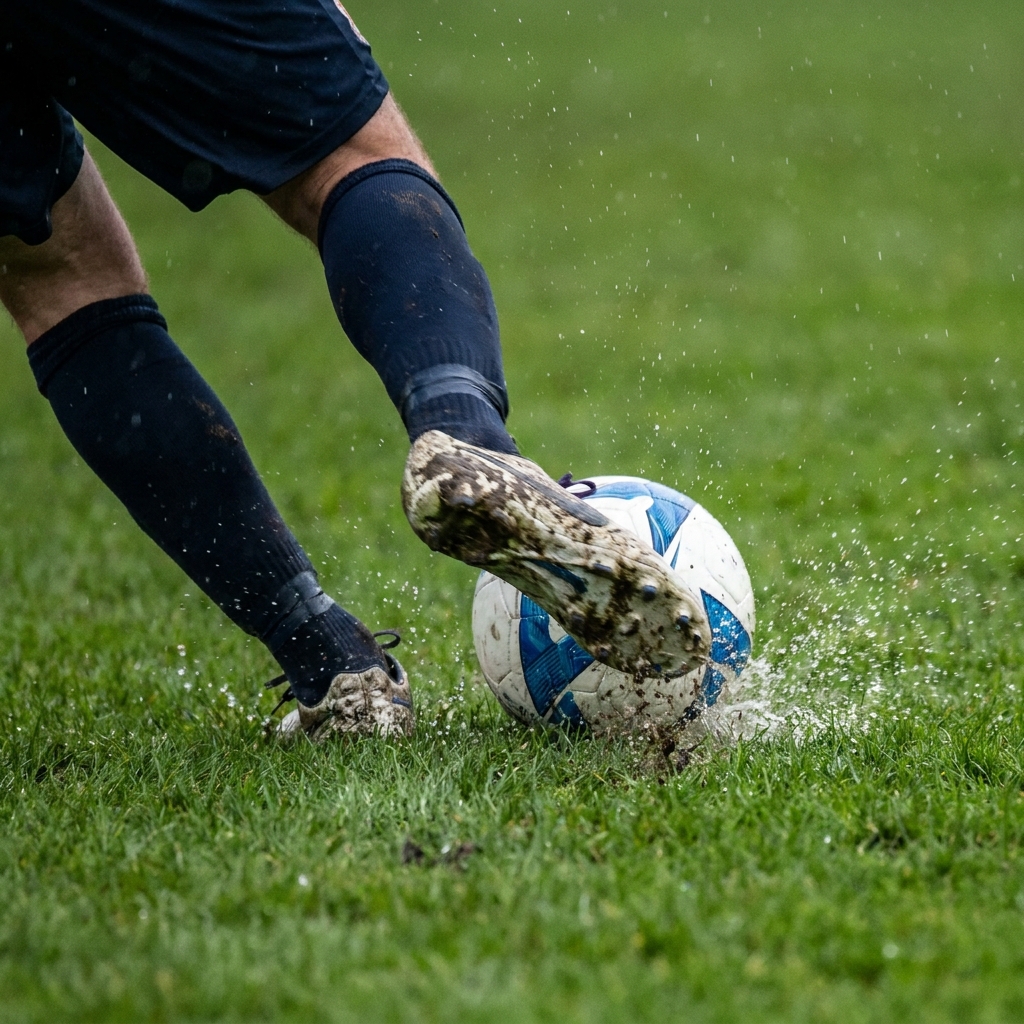
Long-range goals doubled at the 2026 World Cup as teams sat deep. Here is how to coach when to shoot from distance, the technique, and the follow-up.
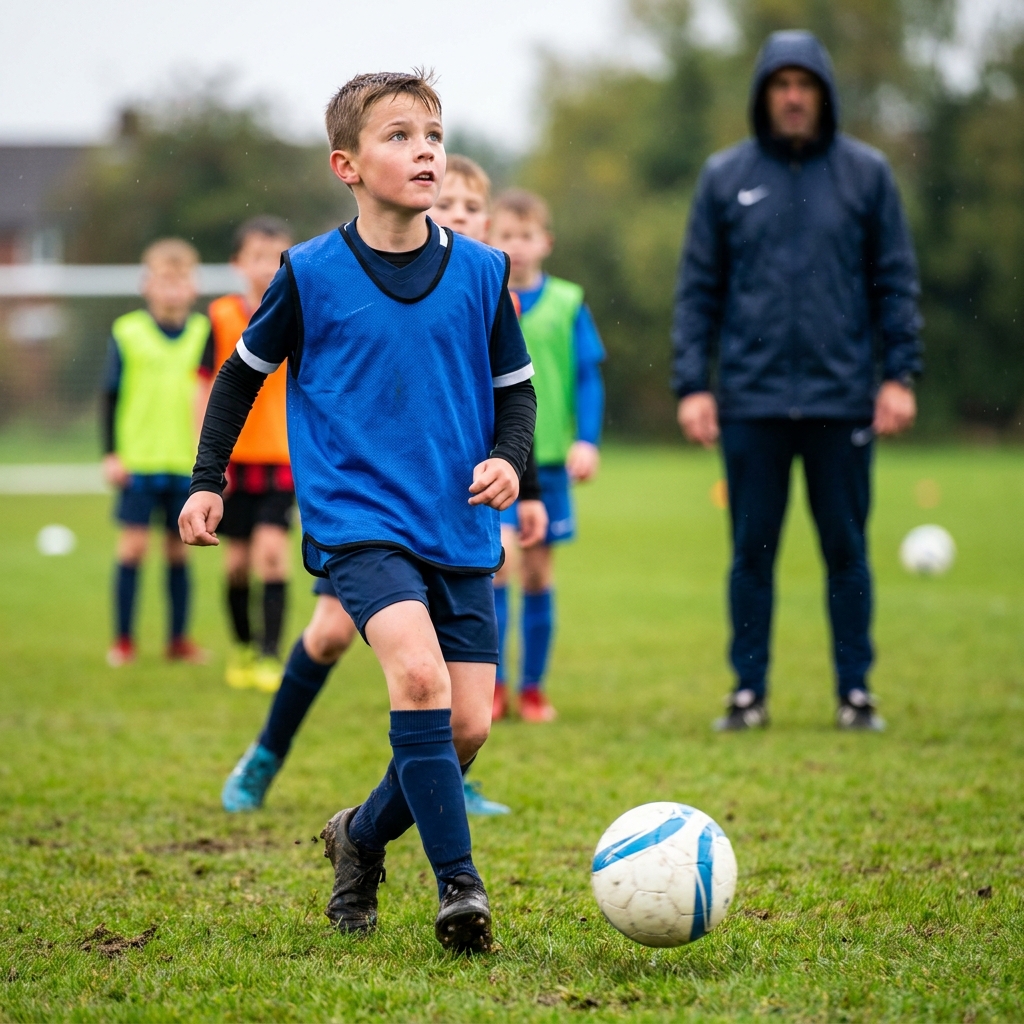
Under FutureFit, your Under-9s stay at 5v5, your Under-11s stay at 7v7 and your Under-13s stay at 9v9. Same pitch, same numbers, one more year. Here is how to make sure that year feels like a step forward rather than a repeat.









