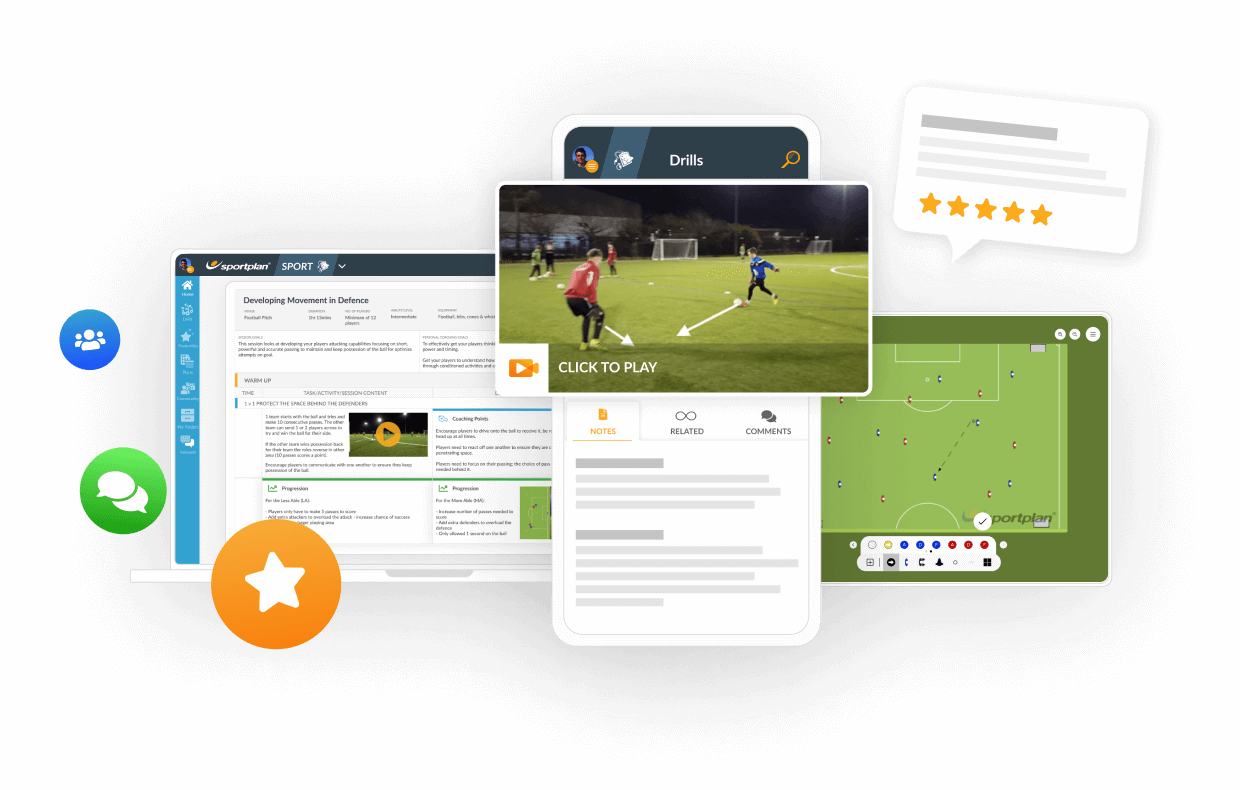
two teams, one team will have a freekick and send the ball into hte box, making it hard for the opposition to defend. it will be the oppositions aim to get the ball and counter attack into a specific area of the pitch (gate at half way). this helps the opposition to use areas of the pitch to pitch such as the wing to attack. it enables the defence to stay strong and play, it allows players to learn movements in counter attacking which could lead to a goal.
blue team - allow red team to get ball, then defend from getting ball to half way. when gaining posession, kick the ball to the nearest sideline. gain posession via standing tackles (not slide tackles). push red team outwards so they use wings.
red team - gain posession from freekick, aim to get ball to half way (through a gate). use width of pitch when getting the ball away from the area. focus on keeping the ball on the ground.
overall - focus on communication, positioning, pass accuracy, contact point on ball (all looked at in previous drill).
in more ways than one
 sportplan_netball


in more ways than one
sportplan_football

Under FutureFit, your Under-9s stay at 5v5, your Under-11s stay at 7v7 and your Under-13s stay at 9v9. Same pitch, same numbers, one more year. Here is how to make sure that year feels like a step forward rather than a repeat.
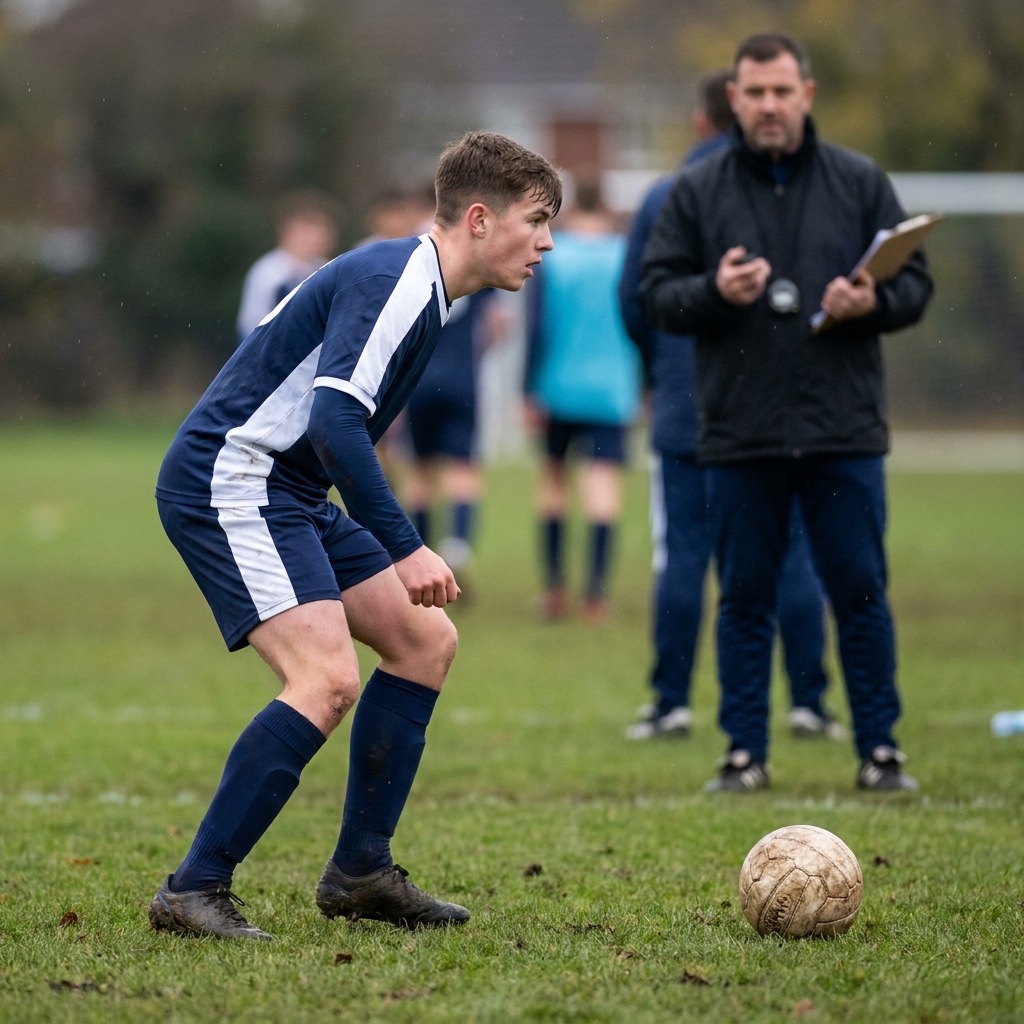
Most 1v1s are lost in the first second, when the defender rushes in and dives. Teach your players to slow the attacker down, take away the dangerous option and pick the right moment, and they will win far more of them.

The FA's FutureFit framework lands this season, bringing a 3v3 entry format at Under-7s. Here is what actually changes on a Saturday morning, and how to coach it well.