• Half pitch extended in length by 20yrds, with full width, incorporating
5yrd safe zones as illustrated.
• 19 players (incl. GK) arranged 8v8 in main playing area plus 2 players
in safe zones who support MF from behind, 1 ball.
• Supporting players also operate as Targets for D’s on gain
of possession.
• Defending team line-up with 4D’s, 4MF’s & GK.
• Practice starts with: coach feeds ball into MF’s to initiate attack.
• If pressurised: MF’s can play back to supporting players in end
zone, to change point-of-attack & retain possession.
• Objective is: create goal-scoring chances in free play to score.
• Off-side rule applies.
• On gaining possession: D’s retain ball & attempt to pass to 2T’s
in end zone.
• Practice restarted by coach with initial team arrangements.
Detail
• Stretching D team units (& reasons why).
• Passing speeds, direction & distance of first touch
to receive ball.
• Interchange of position of A’s into space & between D’s.
• Taking-up supporting positions, including distance, angles & nature
of movement.
• Wall-passes & overlaps.
• Quality of final pass, crosses & passes into & within penalty area.
• Simple progression for this practice is:
- Build-up play continues, but when a regain of possession takes
place; encourage counter-attack
to score as directly, accurately & quickly as possible.
• Dispersal (spreading-out) as a team & in team units.
• Quality of passing & receiving decisions taken by players.
• Movement & support positions around player in possession.
• Combined & individual play in flank & central positions.
• Precision in & around the penalty area.

in more ways than one
 sportplan_netball


in more ways than one
sportplan_football
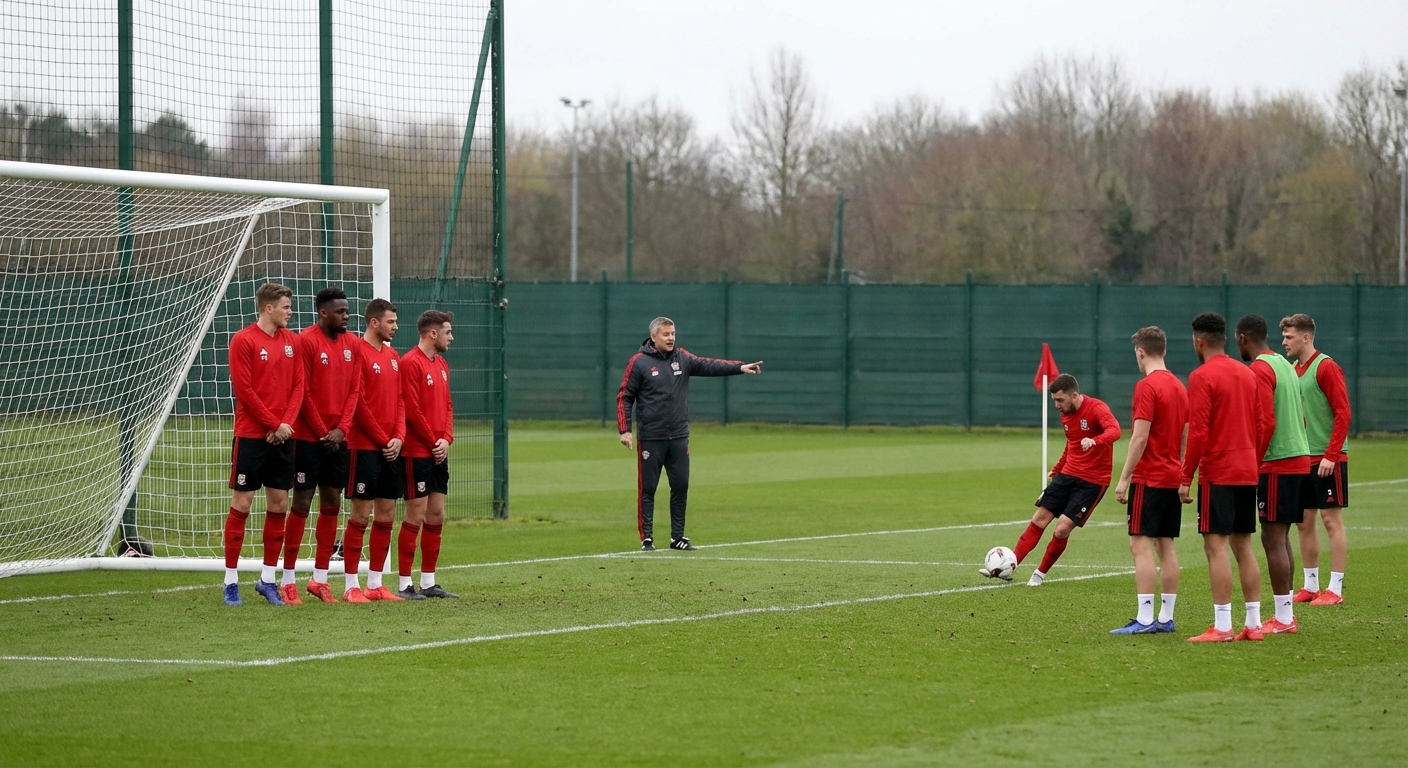
Set pieces account for roughly a third of all goals in football, yet many coaches spend surprisingly little time coaching defensive organisation at corners and free kicks. This article compares zonal and man marking systems, explores hybrid approaches, and provides a practical session structure for building set piece resilience into your team.
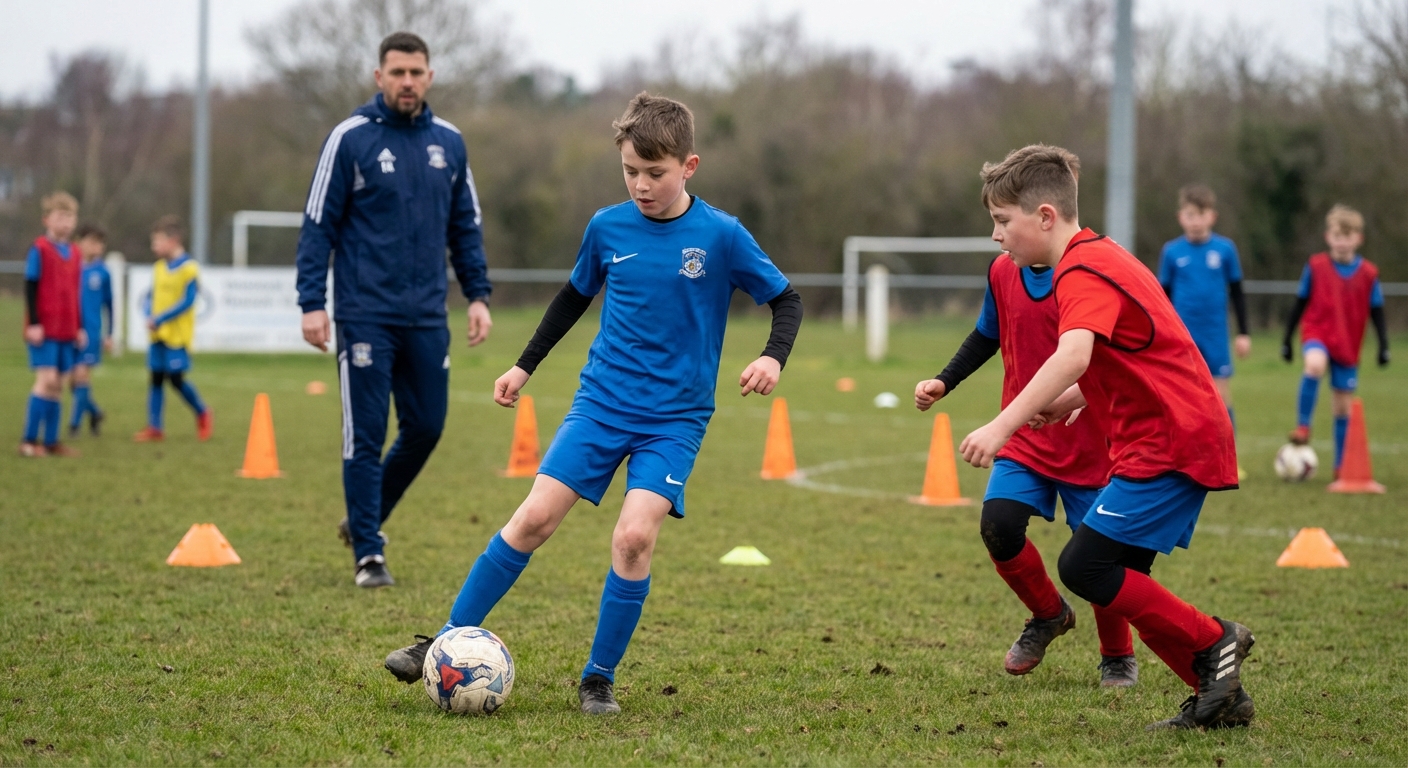
A player's first touch determines everything that follows: whether they can play forward, turn, or simply retain the ball. This article explores why training first touch in isolation is not enough, and how to design sessions that develop this critical skill under realistic game pressure.
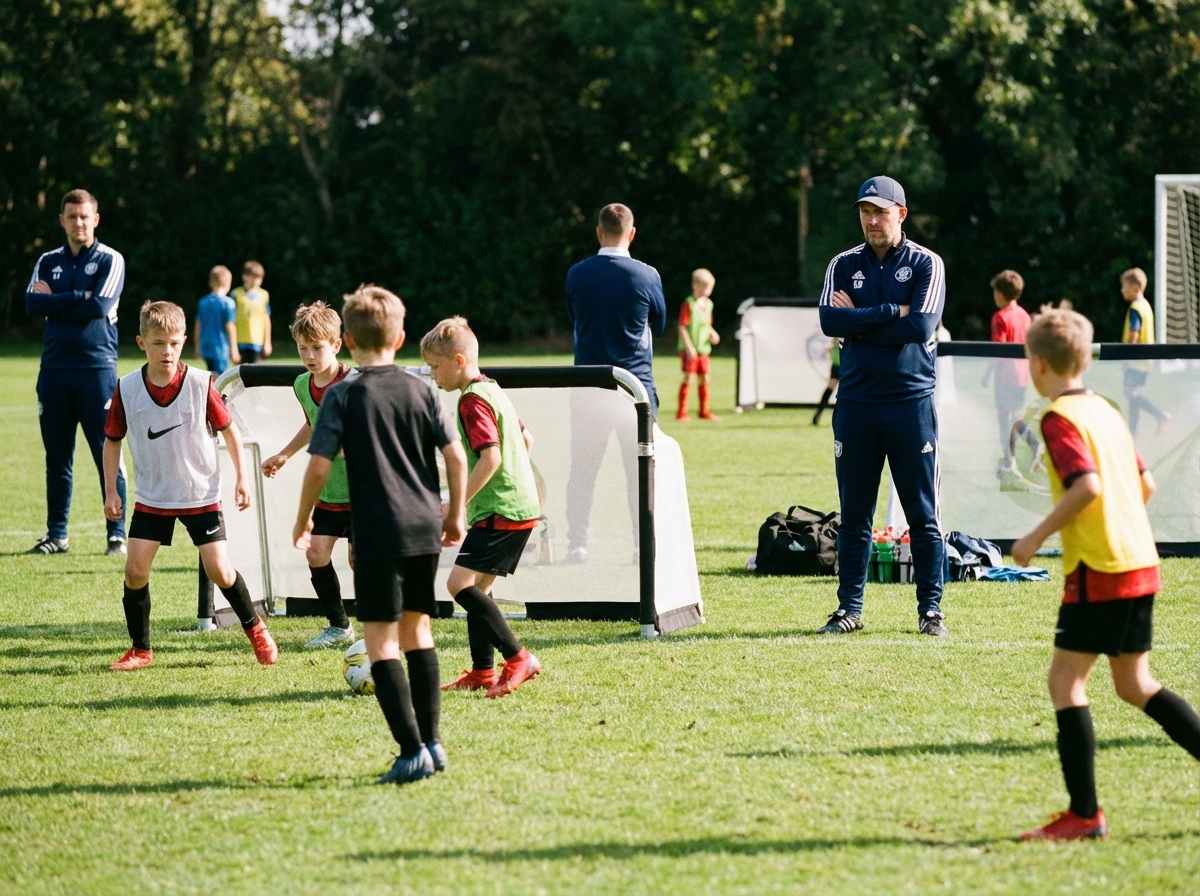
The coaching methodology revolution sweeping grassroots football - and how to implement it at your club this season.