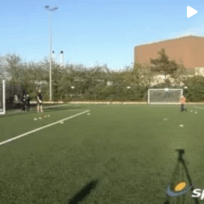
goalkeeper drill works on improving a goalkeeper’s ability to deal with a high ball over their head. This can happen when they are caught off their line, or if a cross catches on the wind. The drill will also test a goalkeeper’s basic football skills in handling the ball and using quick footwork. You can use the drill as a football warm up or for an indoor soccer drill, too.
What players should think about in this drill
Fast feet – Short steps will enable the goalkeeper to cover ground as fast as possible in order to make a save without losing balance.
When to catch / when to deflect the ball away – Sometimes it is better to deflect the ball over the crossbar rather than catching it. Particularly as the goalkeeper’s momentum could take them and the ball into the back of the net!
How to run the drill
The goalkeeper must be “on their toes” at their starting position and throughout the football (soccer) drill.
On the server’s call, the goalkeeper runs off their line to the cone in front of goal.
When the goalkeeper reaches the cone, the server throws the ball over the goalkeeper’s head, trying to get it to drop underneath the crossbar.
The goalkeeper runs backwards from the cone and tries to catch the ball or deflect it over the crossbar.
How to develop the drill
As before, the goalkeeper starts on the server’s call. This time, when they reach the cone, the goalkeeper must save a shot from the server before recovering to save a ball served overhead.
Put the skill into a game
Play a small-sided game and encourage the goalkeepers to find a position that enables them to sweep behind the defense whilst also being able to save any shots over their head.
Condition the outfield players to use high crosses, chips or lobbed shots.
in more ways than one
 sportplan_netball

in more ways than one
sportplan_football
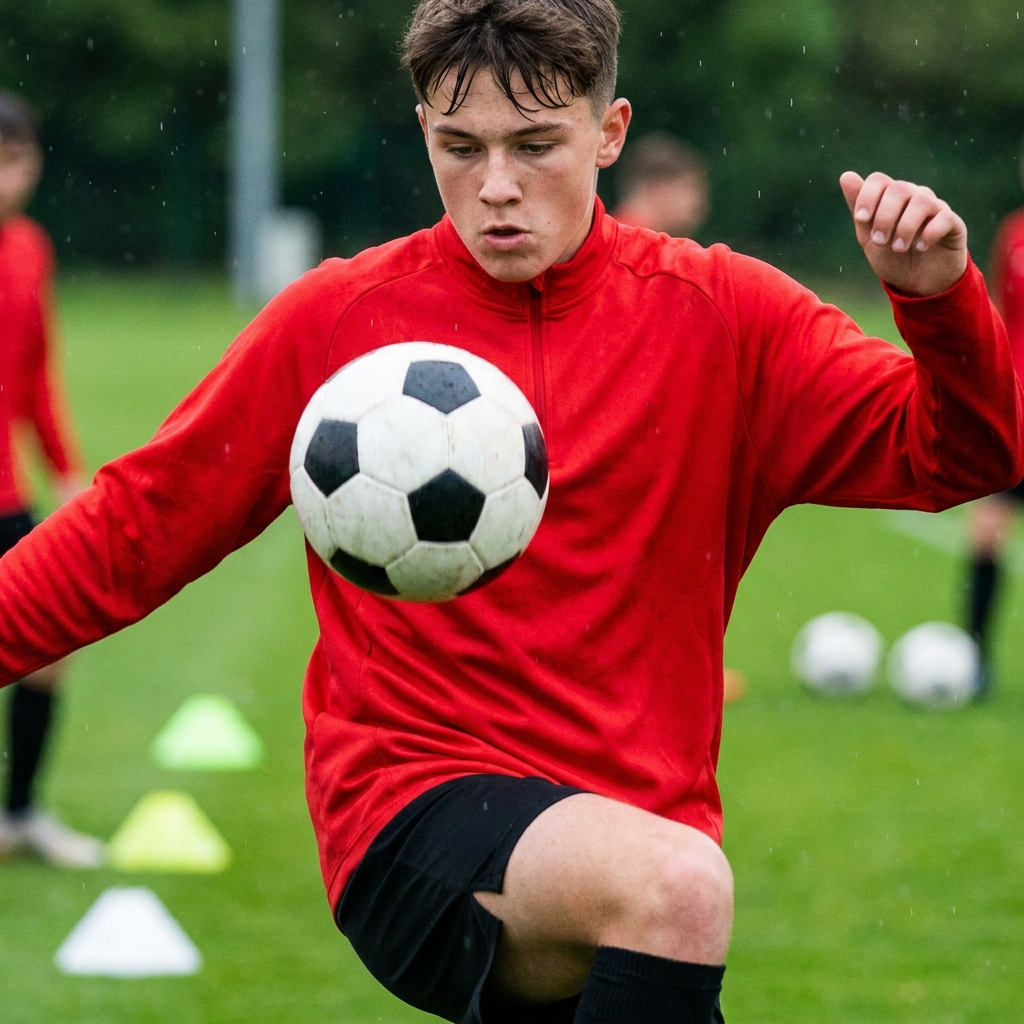
Deliberate heading is now out of U11 grassroots matches. Here is how to coach chest, thigh and foot control so your players still win the ball in the air.
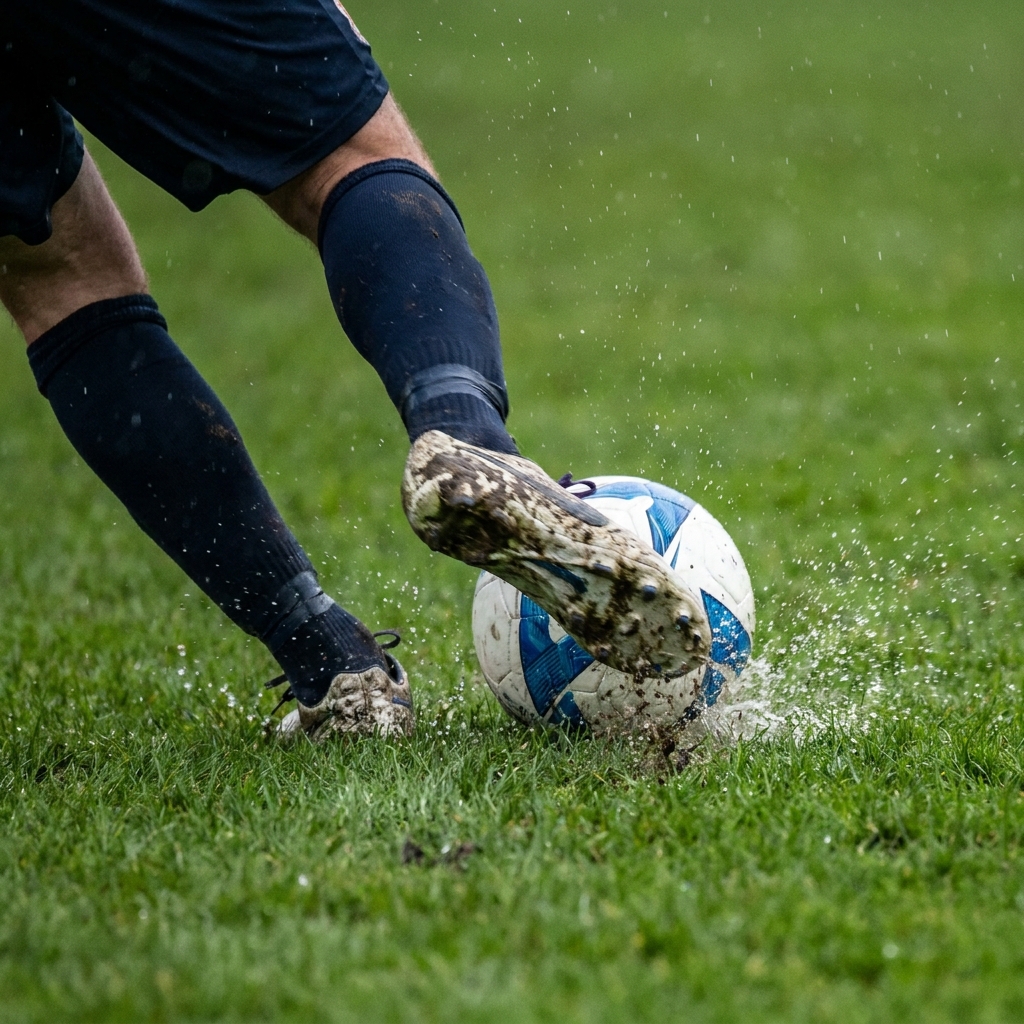
Long-range goals doubled at the 2026 World Cup as teams sat deep. Here is how to coach when to shoot from distance, the technique, and the follow-up.
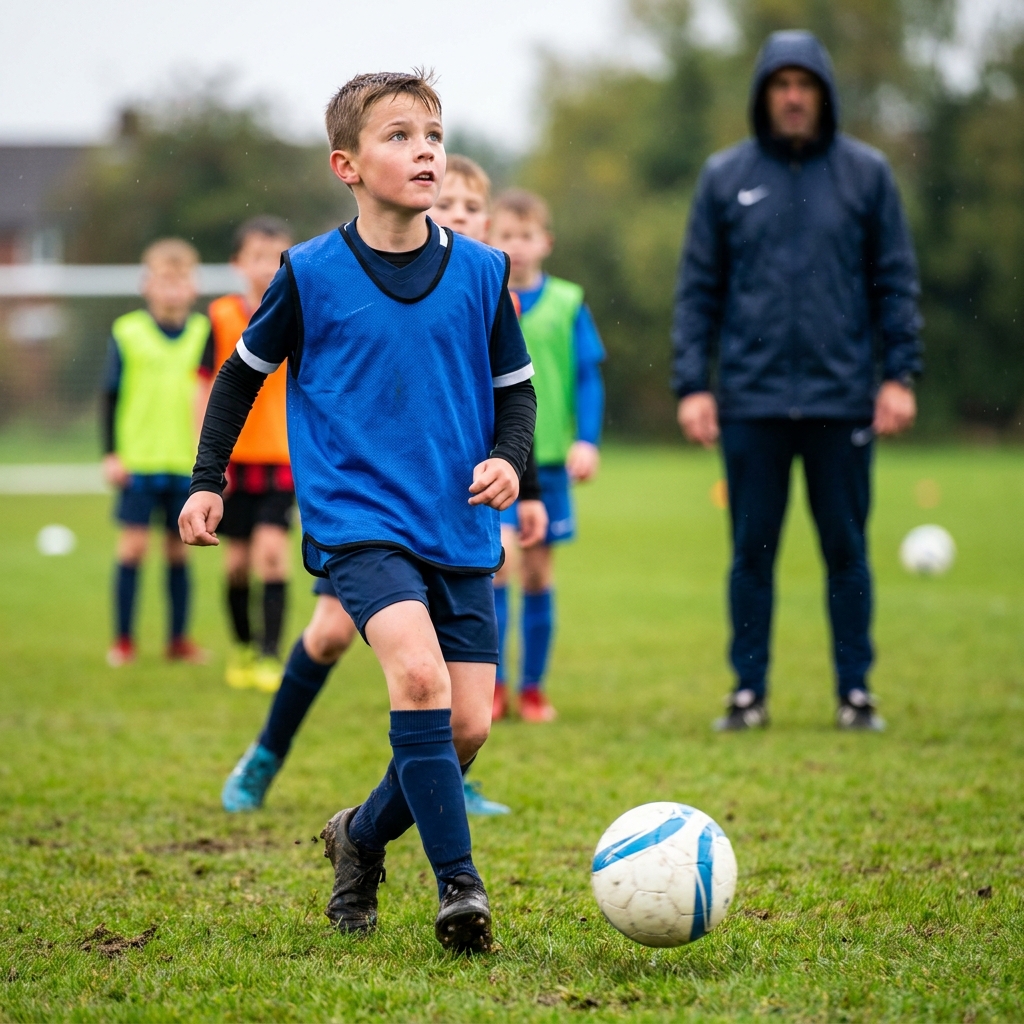
Under FutureFit, your Under-9s stay at 5v5, your Under-11s stay at 7v7 and your Under-13s stay at 9v9. Same pitch, same numbers, one more year. Here is how to make sure that year feels like a step forward rather than a repeat.