Players to be practice with a partner defensive positioning when 1v1 (bent knees, side on, more than arms length from the attacker). 1 player to dribble from one side to the other in possession then switch in possession. Defender to back track without tackling and practice switching leading foot.
Progression 1
Players can try to make a stab tackle with their leading foot. Keep score.
Progression 2
3 teams on each pitch to play 2v2 tournament. Opportunity to practice closing down an attacker and show defensive positioning. Once a goal is scored, that scoring team retrieve the ball and attack the opposite goal as the team who conceded rotate with the team on the sideline.
-body shape side on
-low centre of gravity
-move on toes
-switch leading foot to manipulate attacker
in more ways than one
 sportplan_netball

in more ways than one
sportplan_football
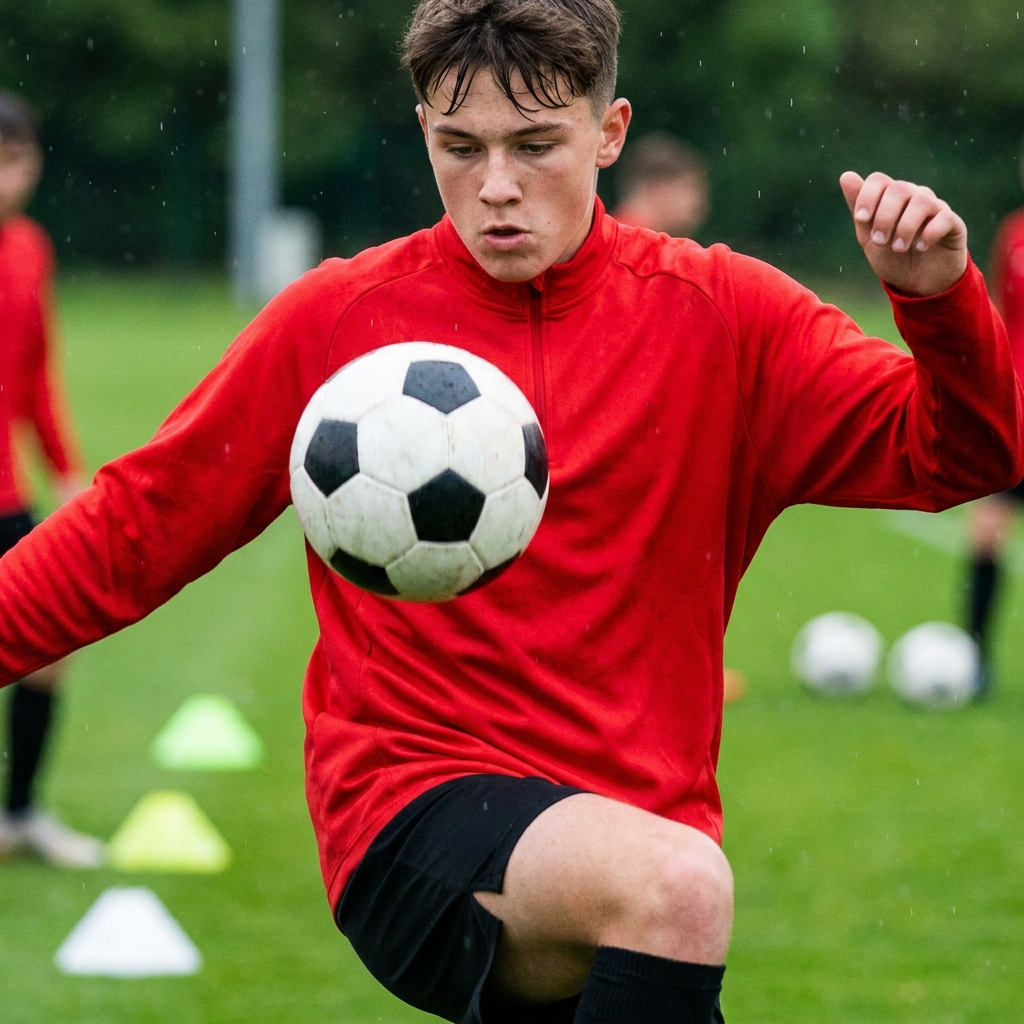
Deliberate heading is now out of U11 grassroots matches. Here is how to coach chest, thigh and foot control so your players still win the ball in the air.

Long-range goals doubled at the 2026 World Cup as teams sat deep. Here is how to coach when to shoot from distance, the technique, and the follow-up.
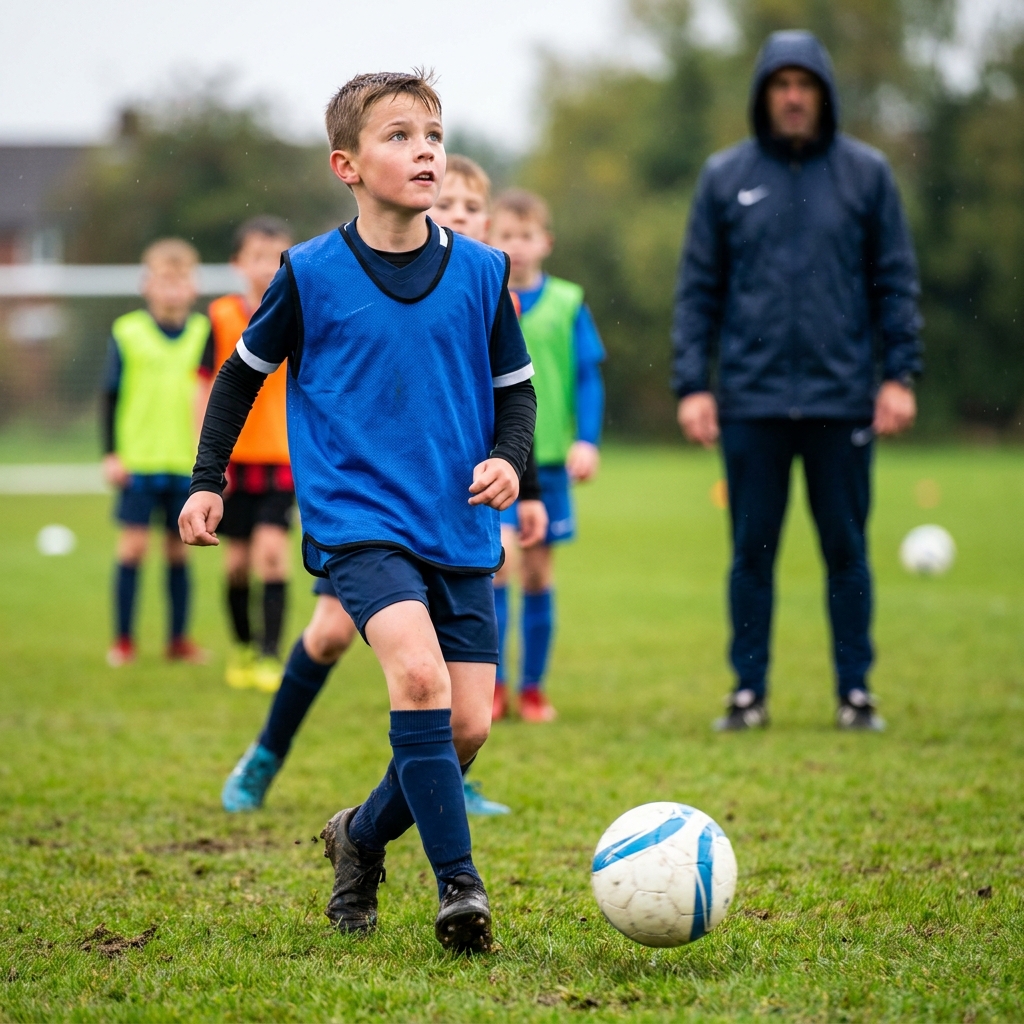
Under FutureFit, your Under-9s stay at 5v5, your Under-11s stay at 7v7 and your Under-13s stay at 9v9. Same pitch, same numbers, one more year. Here is how to make sure that year feels like a step forward rather than a repeat.