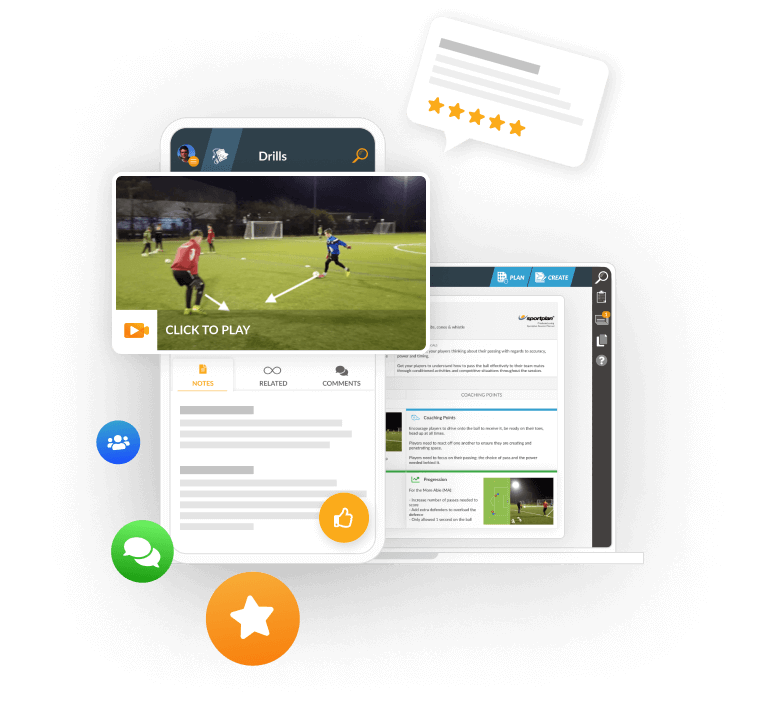
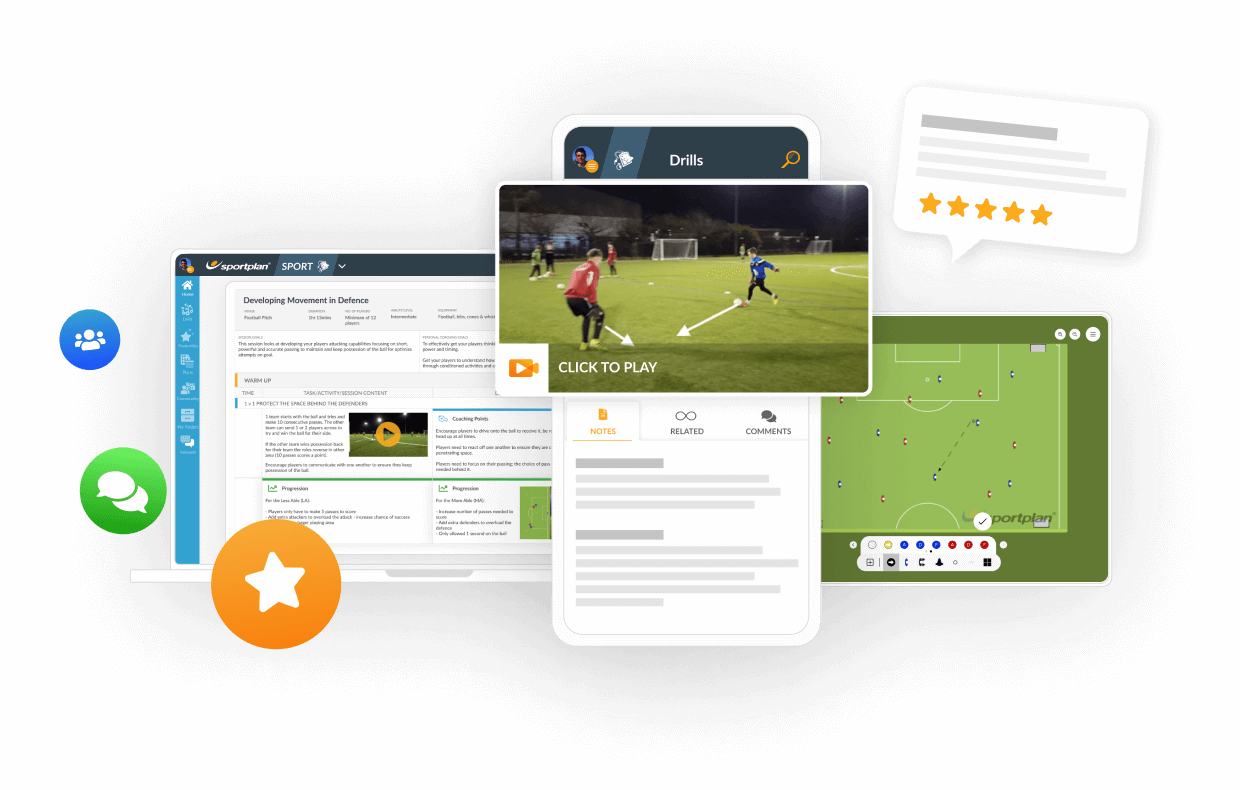
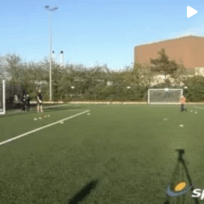
2 server’s, plus a goalkeeper in goal. 2 servers stand at the outside of the penalty box toward the sideline. 1 ball. A keeper starts exercise in goal by calling for ball and demanding it back. Server then plays back to keeper, who then changes the point of attack with first touch, and finds other server on the other side of the penalty box. It is important for the keeper to meet the ball if he/she can, keep that first touch in front and to the side of the kicking leg, try to keep your head up as that ball is coming in and take a quick look at the other server. Finally, the pass from the keeper should be hit with enough pace and ultimately played slightly in front of the target facing forward (just like an outside back). Once the keeper plays the ball, he/she should follow the pass to show support of the pass. The exercise continues with the server who received the pass playing a ball back to the keeper, who then does the same thing going the other way.
Both Feet Passing
Communication
Follow the pass
correct movement
striking the ball well
in more ways than one
 sportplan_netball

in more ways than one
sportplan_football
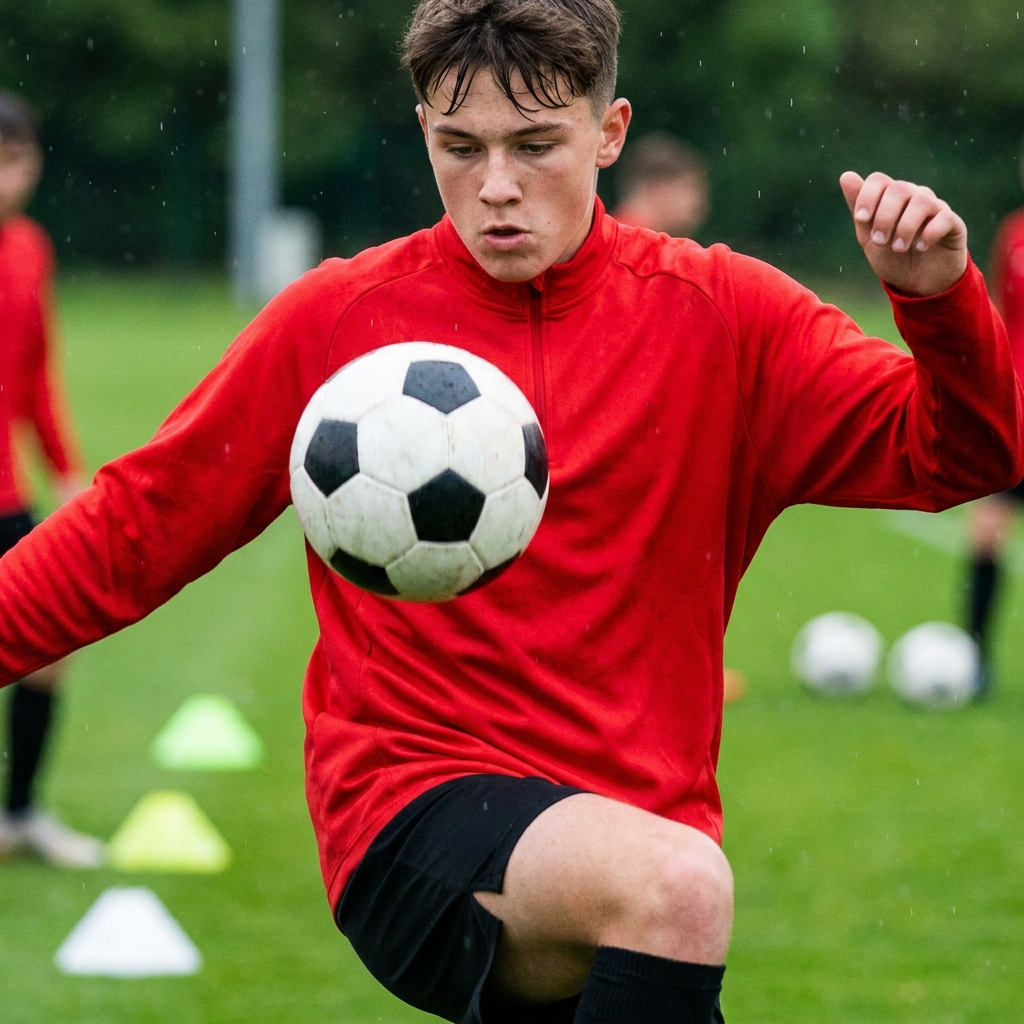
Deliberate heading is now out of U11 grassroots matches. Here is how to coach chest, thigh and foot control so your players still win the ball in the air.
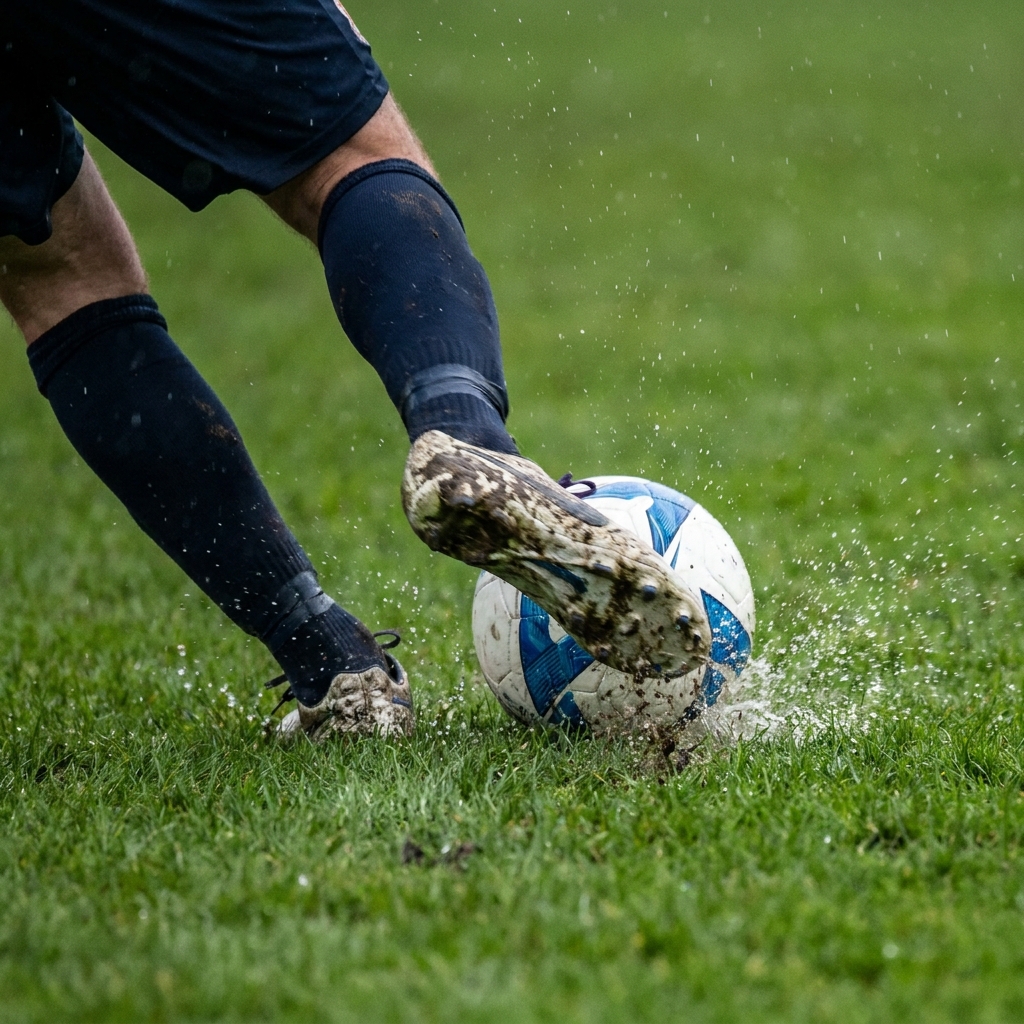
Long-range goals doubled at the 2026 World Cup as teams sat deep. Here is how to coach when to shoot from distance, the technique, and the follow-up.
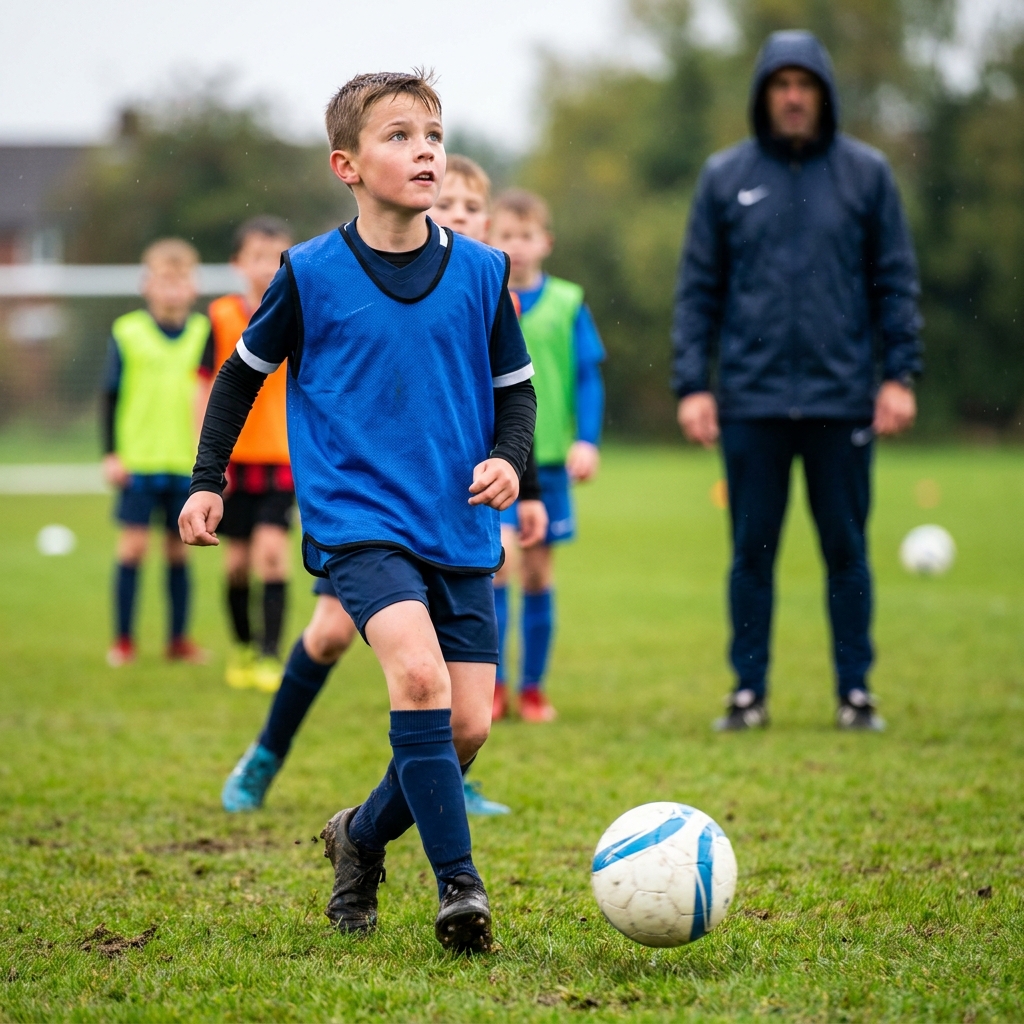
Under FutureFit, your Under-9s stay at 5v5, your Under-11s stay at 7v7 and your Under-13s stay at 9v9. Same pitch, same numbers, one more year. Here is how to make sure that year feels like a step forward rather than a repeat.