Defensive (D) player plays ball to Offensive (O). O then plays a large first touch towards cones. Then pivots and faces empty goal. D has ran behind O with arched run to get in between O and the Goal.
This then becomes a 1V1 situation, 30 seconds max, small area.
O must attempt to score in the goal, D must retrieve the ball and pass through either of the two gates situated on the sides to mimic playing the ball out to wide midfielders.
First Role: The first defenders role is to slow down the attack, not necessarily win the ball.
They should prevent the ball being played forward. This pressure will cause the ball carrier's head down making him worry about controlling the ball and so he cannot look for passing options.
in more ways than one
 sportplan_netball

in more ways than one
sportplan_football
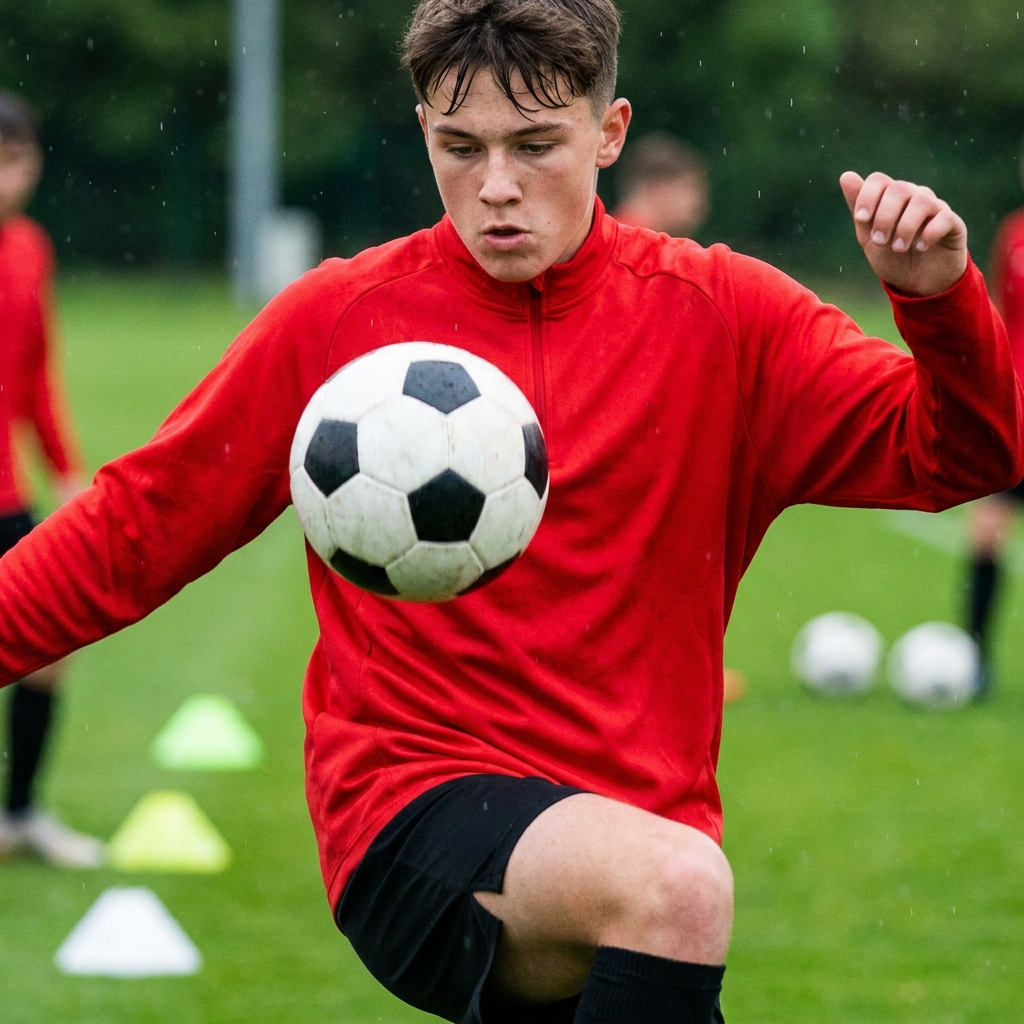
Deliberate heading is now out of U11 grassroots matches. Here is how to coach chest, thigh and foot control so your players still win the ball in the air.
Long-range goals doubled at the 2026 World Cup as teams sat deep. Here is how to coach when to shoot from distance, the technique, and the follow-up.
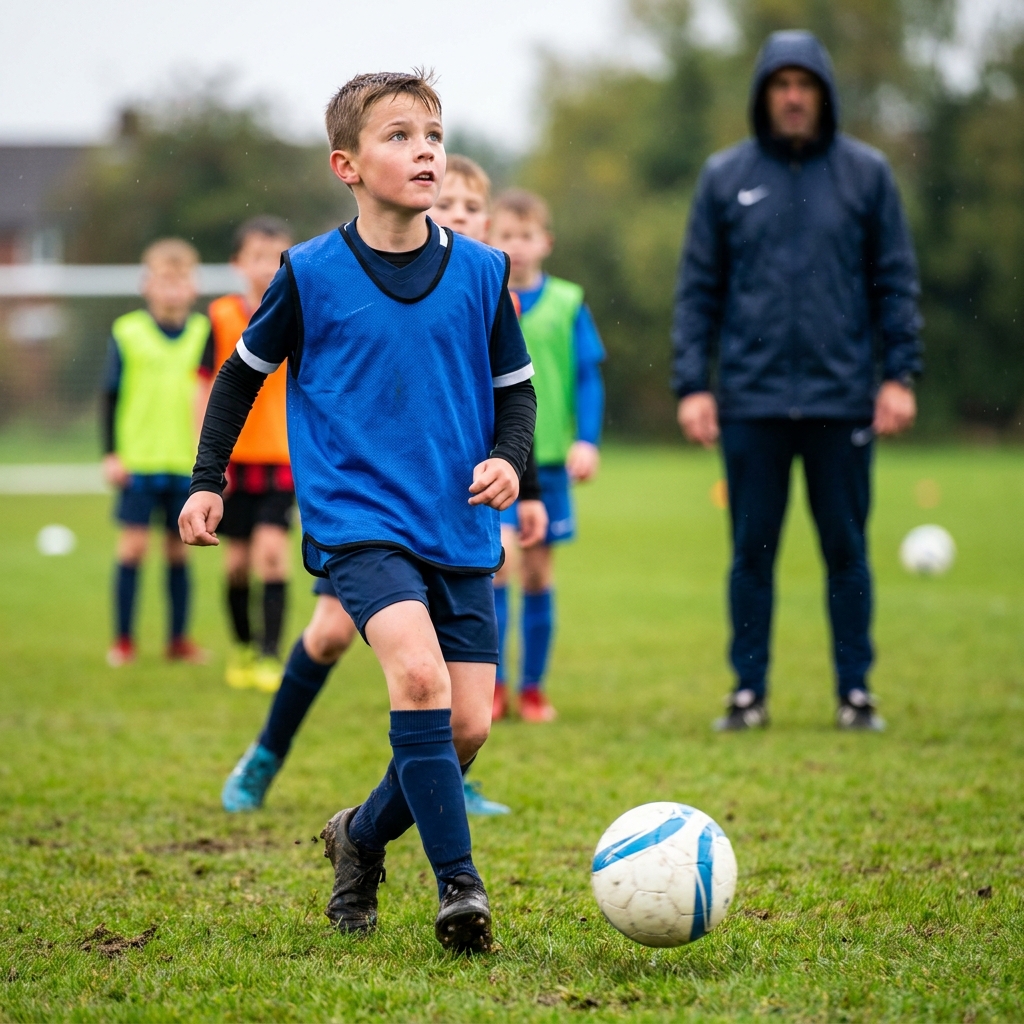
Under FutureFit, your Under-9s stay at 5v5, your Under-11s stay at 7v7 and your Under-13s stay at 9v9. Same pitch, same numbers, one more year. Here is how to make sure that year feels like a step forward rather than a repeat.