Set-Up:
- 4 Players
- 1 GK, 2 Feeders, 1 Key Player
- Supply of Footballs
Play:
- Key player runs around the right hand cone and towards the feeder.
- Feeder one plays the ball to Key Player to Volley towards the goal.
- Key player returns to starting position then runs around the left hand cone.
- Feeder two plays the ball to Key Player to Volley towards goal.
Allow 2 Volleys on each foot free play.
Progression: Once the feeder has thrown the ball they move towards the player to add a little bit of pressure. Feeder bounces the ball in.
- Adjust body position to judge the flight of the ball
- Raise arms to help balance yourself
- Keep eyes on the ball to help timing and ensure you strike the ball
- Standing foot should be slightly bent to help with balance
- Get body/head over ball to keep shot down
- Rise striking leg back, bending the knee
- Strike ball with laces with toes pointing downwards
- Strike through the ball with foot pointing in the direction of where you want the ball to go
in more ways than one
 sportplan_netball

in more ways than one
sportplan_football

Deliberate heading is now out of U11 grassroots matches. Here is how to coach chest, thigh and foot control so your players still win the ball in the air.
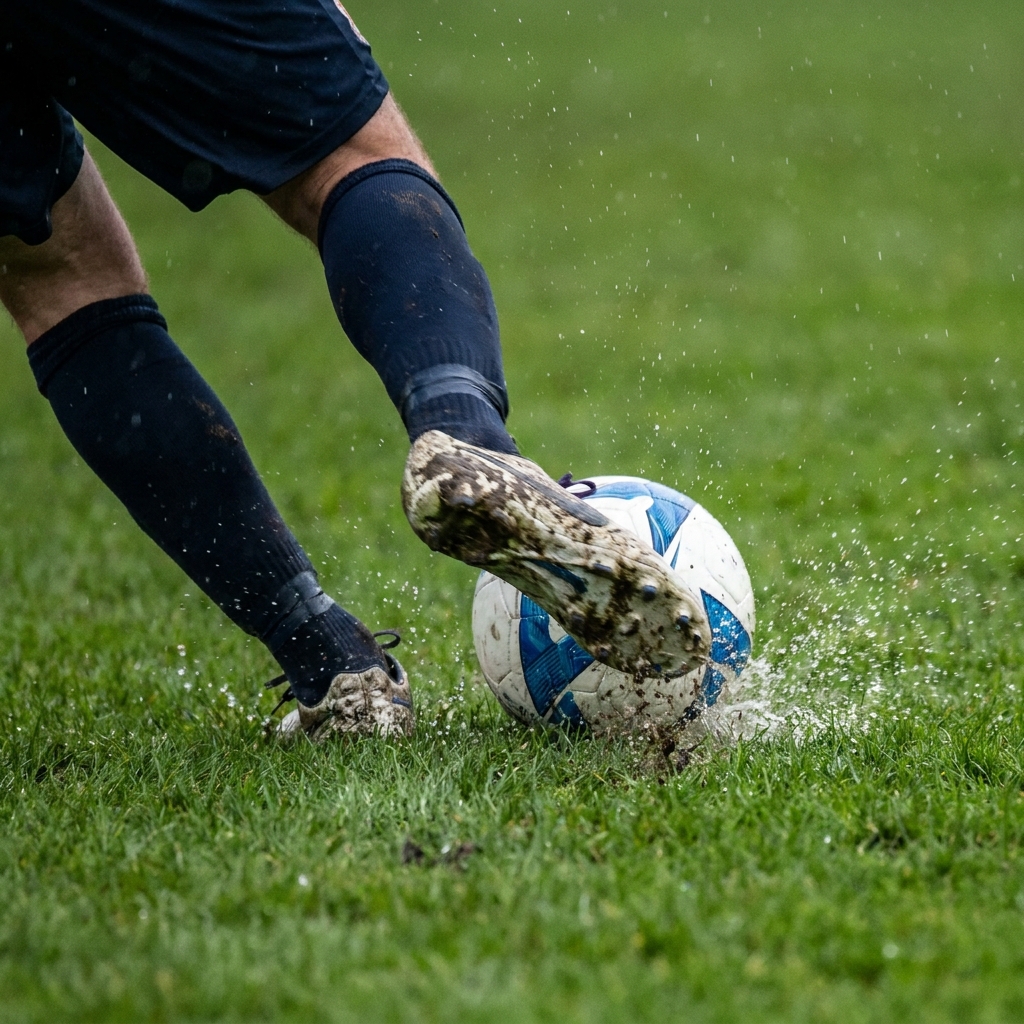
Long-range goals doubled at the 2026 World Cup as teams sat deep. Here is how to coach when to shoot from distance, the technique, and the follow-up.
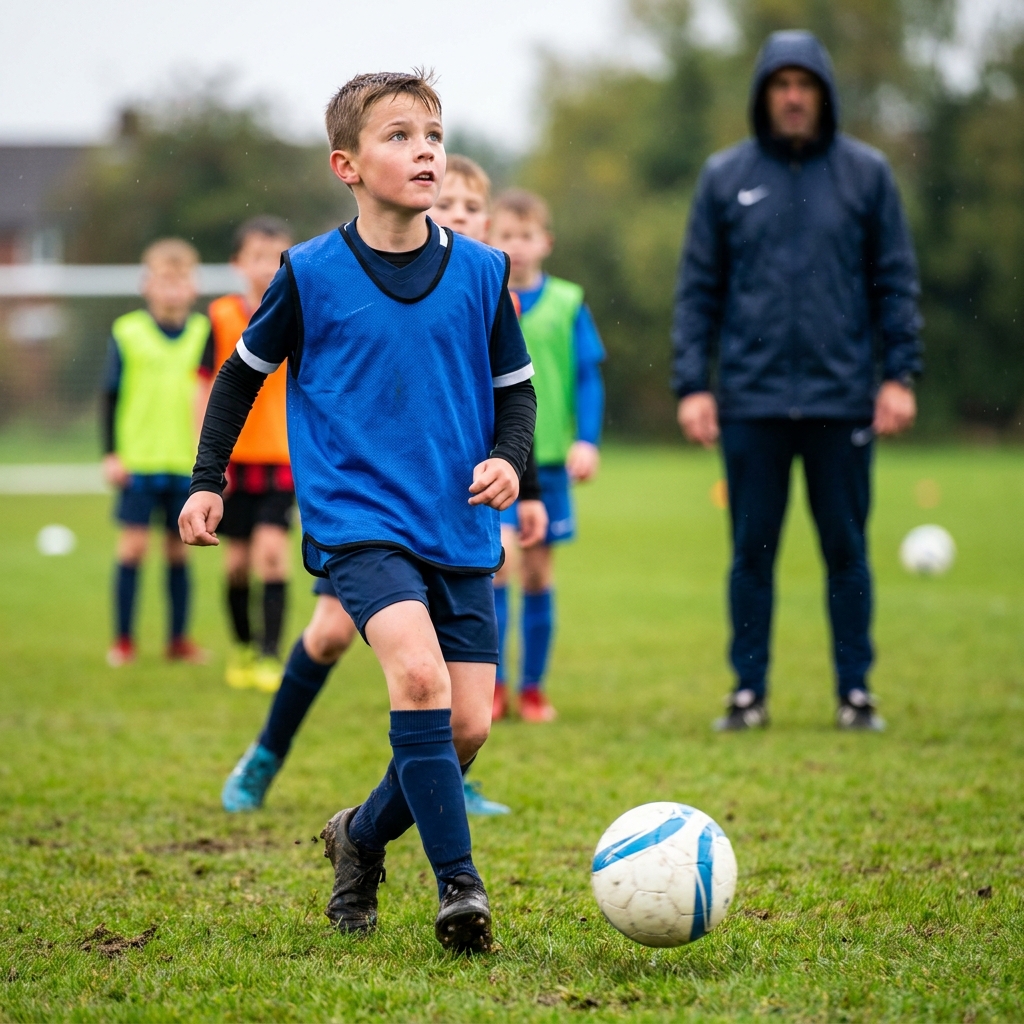
Under FutureFit, your Under-9s stay at 5v5, your Under-11s stay at 7v7 and your Under-13s stay at 9v9. Same pitch, same numbers, one more year. Here is how to make sure that year feels like a step forward rather than a repeat.