Improves agility and heading
Key:
Black Squares: Goals
Spacing
Goals 15m Apart
Yellow Cones 3m from goals
4 Orange cones setup in the middle, gap depends on age and agility.
Method:
1 Player stands on one of the yellow cones, and 2 coaches/parents (1 coach can do this and run back and forward) stand next to the yellow cones (1 at each cone).
On signal, the player sprints towards the orange cones, dashing between them all. When he reaches the yellow cone, the coach/parent may throw the ball up. They don't have to however. If you don't throw the ball up, instruct the player to jump as high as they can and pretend to head it into the goal. Each player does 4 laps at a time (A lap being from yellow cone to yellow cone)
COACHES: Don't throw the ball up all the time at the yellow cones, especially for players who aren't confident at heading, or can't jump high. Tell them to jump as high as they can, and tell them they need to jump higher, otherwise you won't throw up the ball.
If a player knocks over a cone, tell them the next time they do it they have to do it at max effort.
in more ways than one
 sportplan_netball


in more ways than one
sportplan_football

Under FutureFit, your Under-9s stay at 5v5, your Under-11s stay at 7v7 and your Under-13s stay at 9v9. Same pitch, same numbers, one more year. Here is how to make sure that year feels like a step forward rather than a repeat.
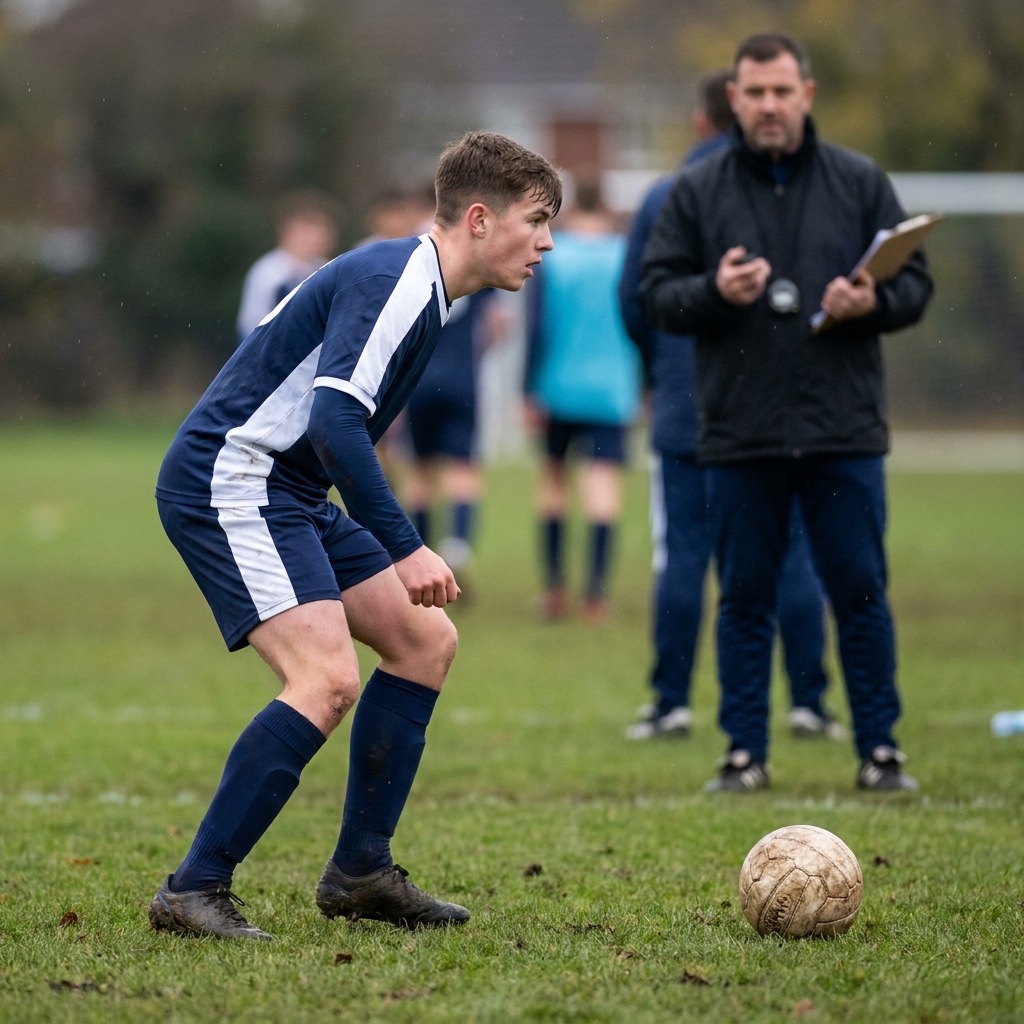
Most 1v1s are lost in the first second, when the defender rushes in and dives. Teach your players to slow the attacker down, take away the dangerous option and pick the right moment, and they will win far more of them.

The FA's FutureFit framework lands this season, bringing a 3v3 entry format at Under-7s. Here is what actually changes on a Saturday morning, and how to coach it well.