SETUP:
- Use half field
- 15x15 (or 20x20) square between centre circle and the D
- Two 3x3 squares inside half adjacent to the touch line
- Attacking team; 4 inside the large square (2*CM, #10 & #9), 2 wingers flank the square plus a full back in each small square
- Defending team; 2 CMs in large square and back 4+GK arranged in field position outside square
- Play starts with ball from either FB into square. Attacking team must connect 3 consecutive passes in the square before an attempt on goal. Can use players outside square but cannot progress until the 3 consecutive passes in the square are made
- If defending team wins ball, play ball to one of the small squares
COACHING POINTS:
- Pro-active passing; focus on short passes with purpose, safe side passing, leading passes, 1st touch away from pressure
- Pro-active movement; movement to draw defenders aways to create space, creative runs to receive in behind, opposing movements of forward players
in more ways than one
 sportplan_netball

in more ways than one
sportplan_football

Deliberate heading is now out of U11 grassroots matches. Here is how to coach chest, thigh and foot control so your players still win the ball in the air.
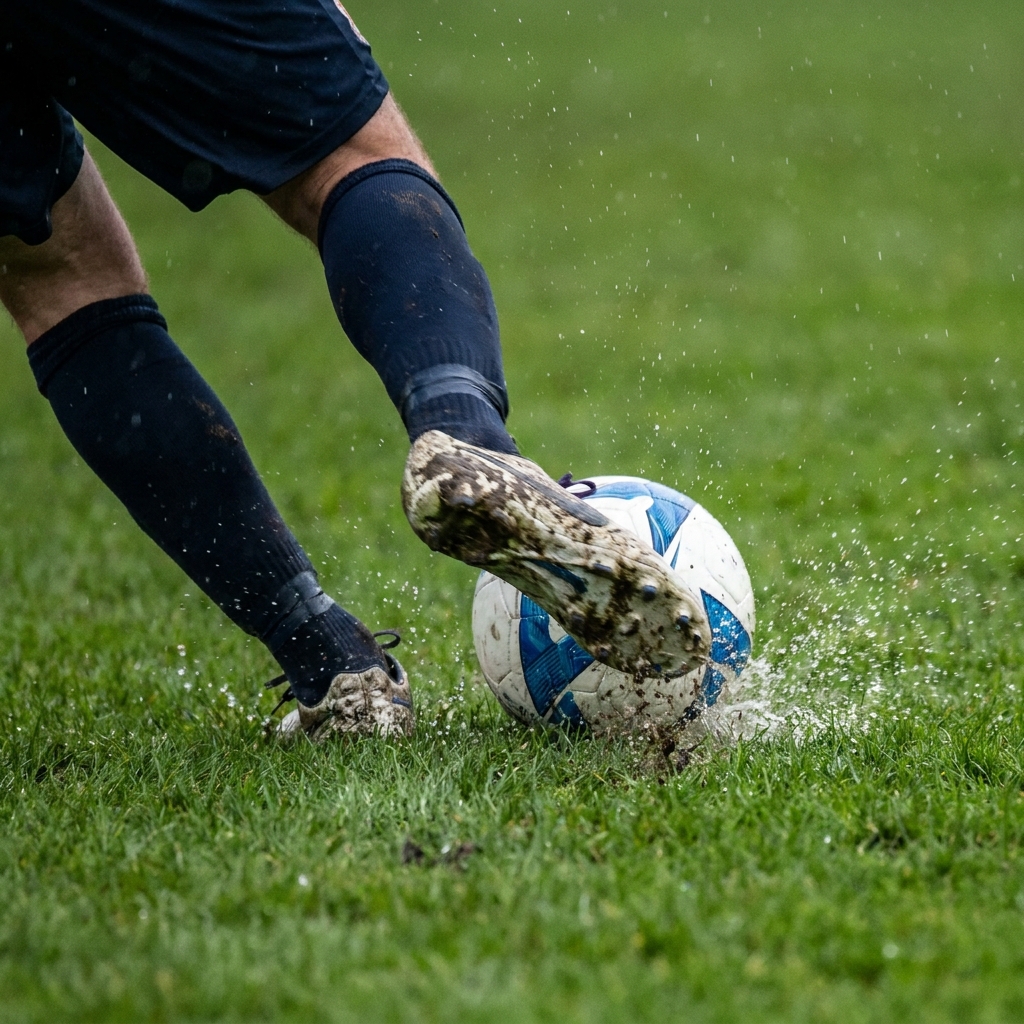
Long-range goals doubled at the 2026 World Cup as teams sat deep. Here is how to coach when to shoot from distance, the technique, and the follow-up.

Under FutureFit, your Under-9s stay at 5v5, your Under-11s stay at 7v7 and your Under-13s stay at 9v9. Same pitch, same numbers, one more year. Here is how to make sure that year feels like a step forward rather than a repeat.