3/4 field
Deploy one team in a 1-4-3-3 shape and the other in a 2-2-2 grouping. The defenders attempt to pressure the ball and if they win it, theystep on the ball and pass to any player on the full side and play continues.
Rotate players onto the defensive team to sustain the pressure on the ball and give all players a chance to participate in the 4-3-3 shape.
The basic concern for the full side is learning to move the ball together and release pressure.
Coach:
• The full side’s shape and playing relationships should be established through the possession the team develops.
• Encourage the full side to experiment with the patterns practiced in the previous exercises.
• Coaches can use this practice to choreograph attacking patterns and group play.
Variations:
• The defending team attempts to keep possession when they win the ball.
• One or both teams play to goal.

in more ways than one
 sportplan_netball



in more ways than one
sportplan_football

Under FutureFit, your Under-9s stay at 5v5, your Under-11s stay at 7v7 and your Under-13s stay at 9v9. Same pitch, same numbers, one more year. Here is how to make sure that year feels like a step forward rather than a repeat.
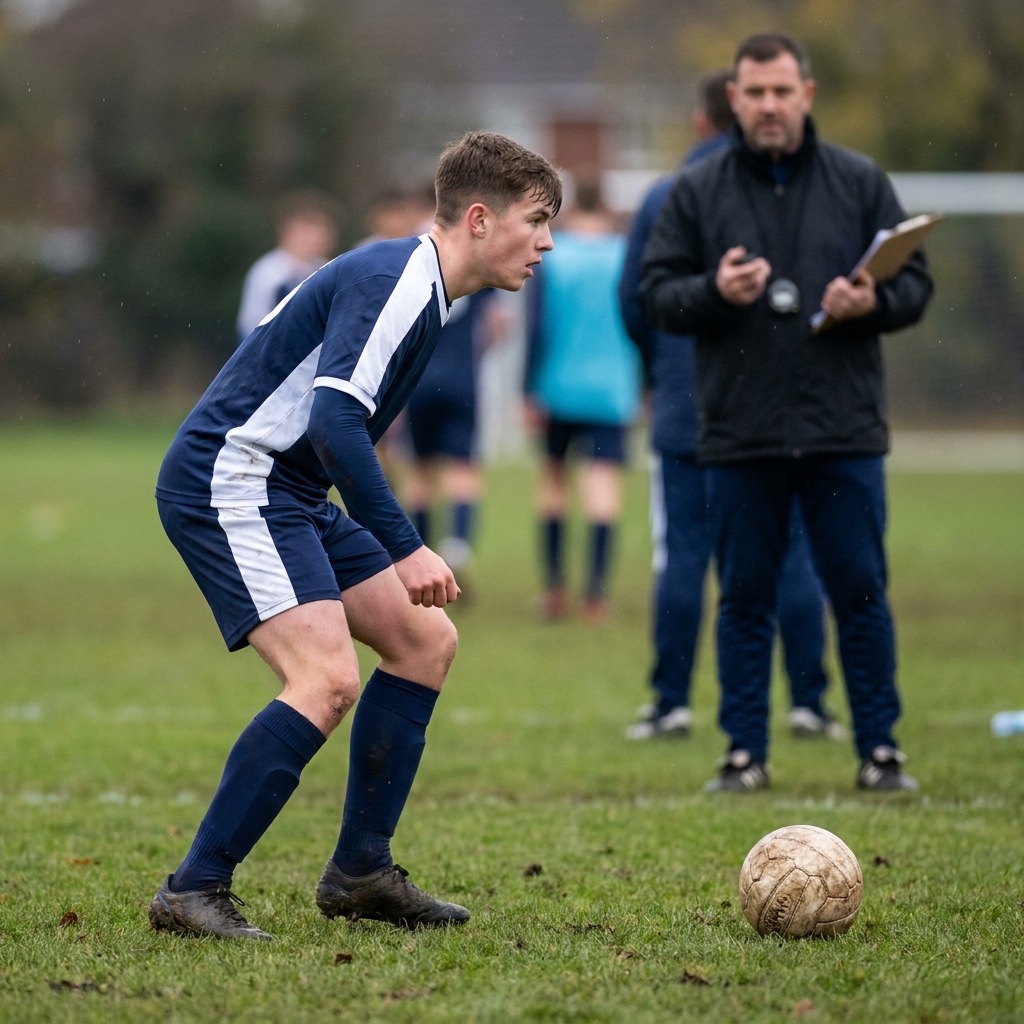
Most 1v1s are lost in the first second, when the defender rushes in and dives. Teach your players to slow the attacker down, take away the dangerous option and pick the right moment, and they will win far more of them.

The FA's FutureFit framework lands this season, bringing a 3v3 entry format at Under-7s. Here is what actually changes on a Saturday morning, and how to coach it well.