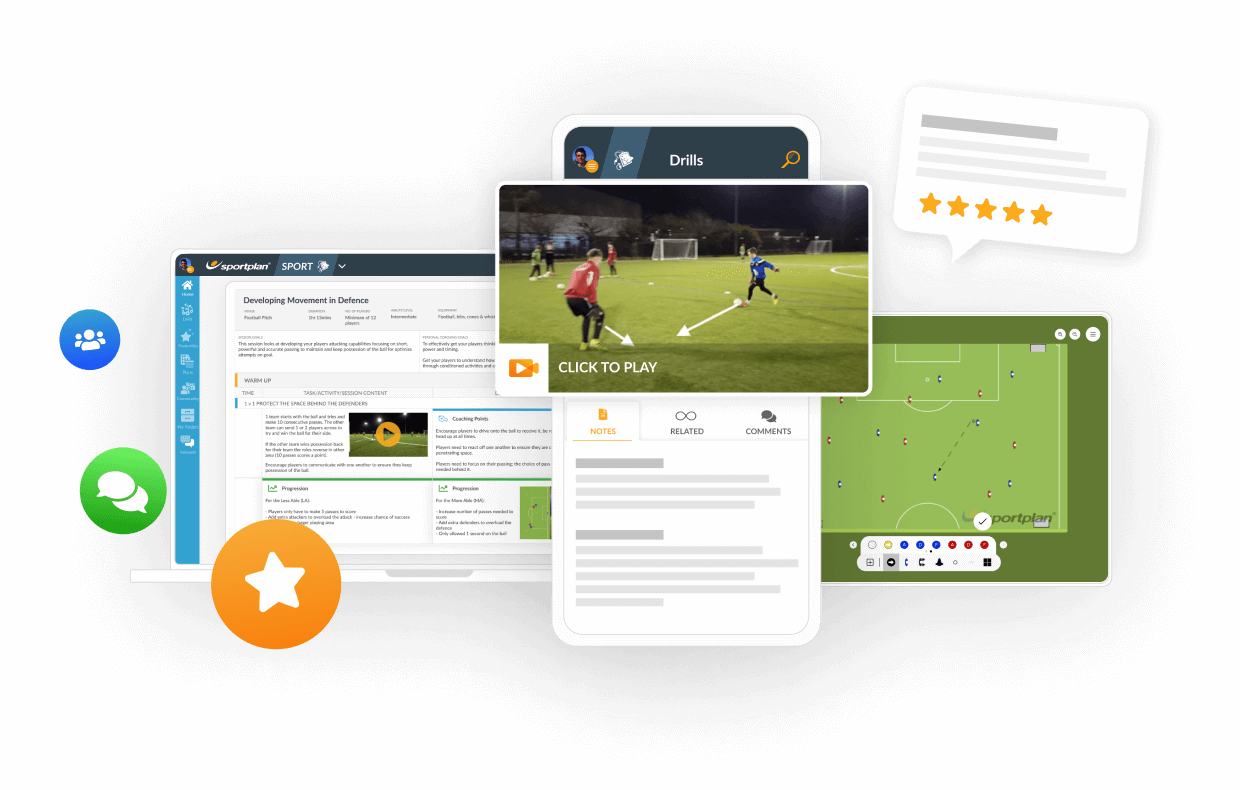
As many pairs as you have players. Start with blue playing to red and then closing down the space to protect their cone. Start with passive attacking just working on body shape of the defender. Then make it a game where to score the attacker must be able to hit the cone with the ball after beating the defender.
Coach the defender;
1) Fast, slow, sideways and low. when closing down the attacker.
2) When we are starting with passive attacking look for the defender to stay in a delay position not trying to win the ball. When we move to the game look for the defender to find the right moment to get the ball. A bad touch, attackers eyes down, attacker has ball close to defenders body.
in more ways than one
 sportplan_netball


in more ways than one
sportplan_football
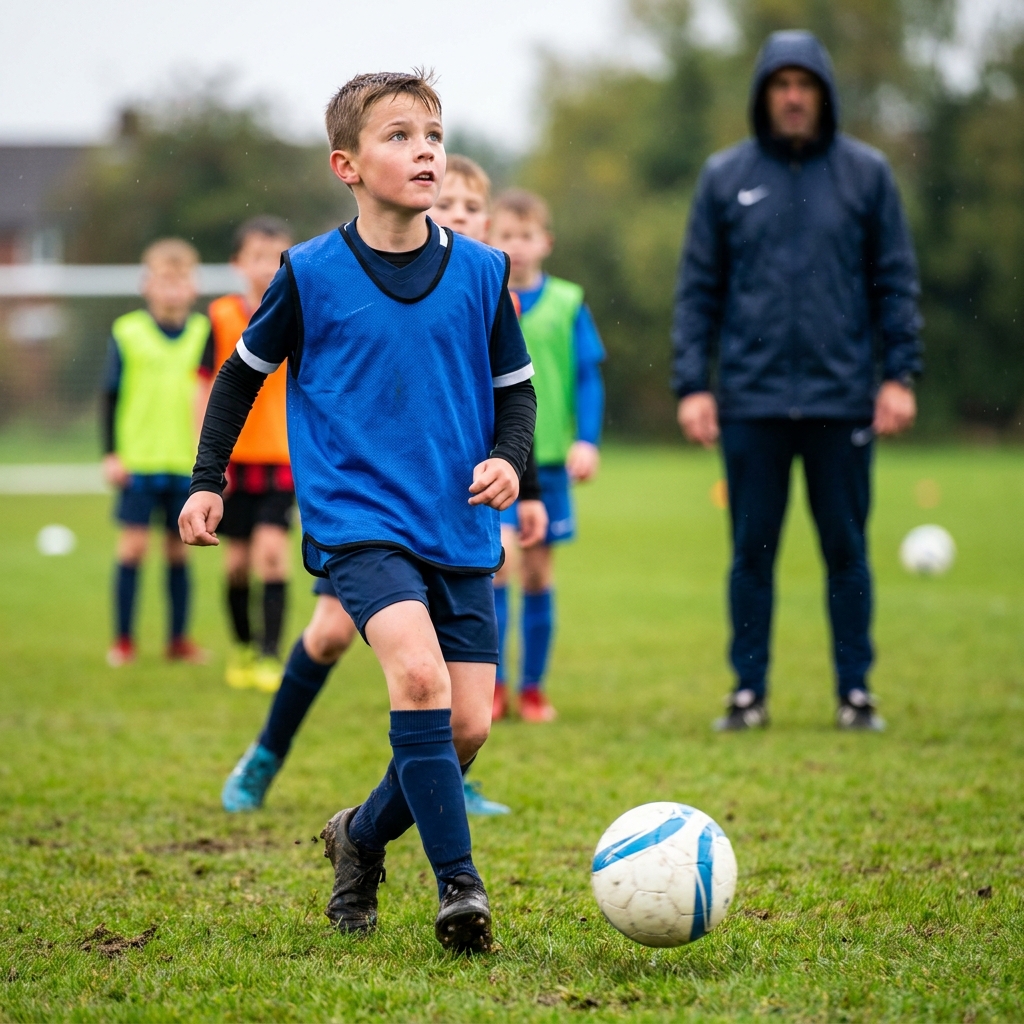
Under FutureFit, your Under-9s stay at 5v5, your Under-11s stay at 7v7 and your Under-13s stay at 9v9. Same pitch, same numbers, one more year. Here is how to make sure that year feels like a step forward rather than a repeat.
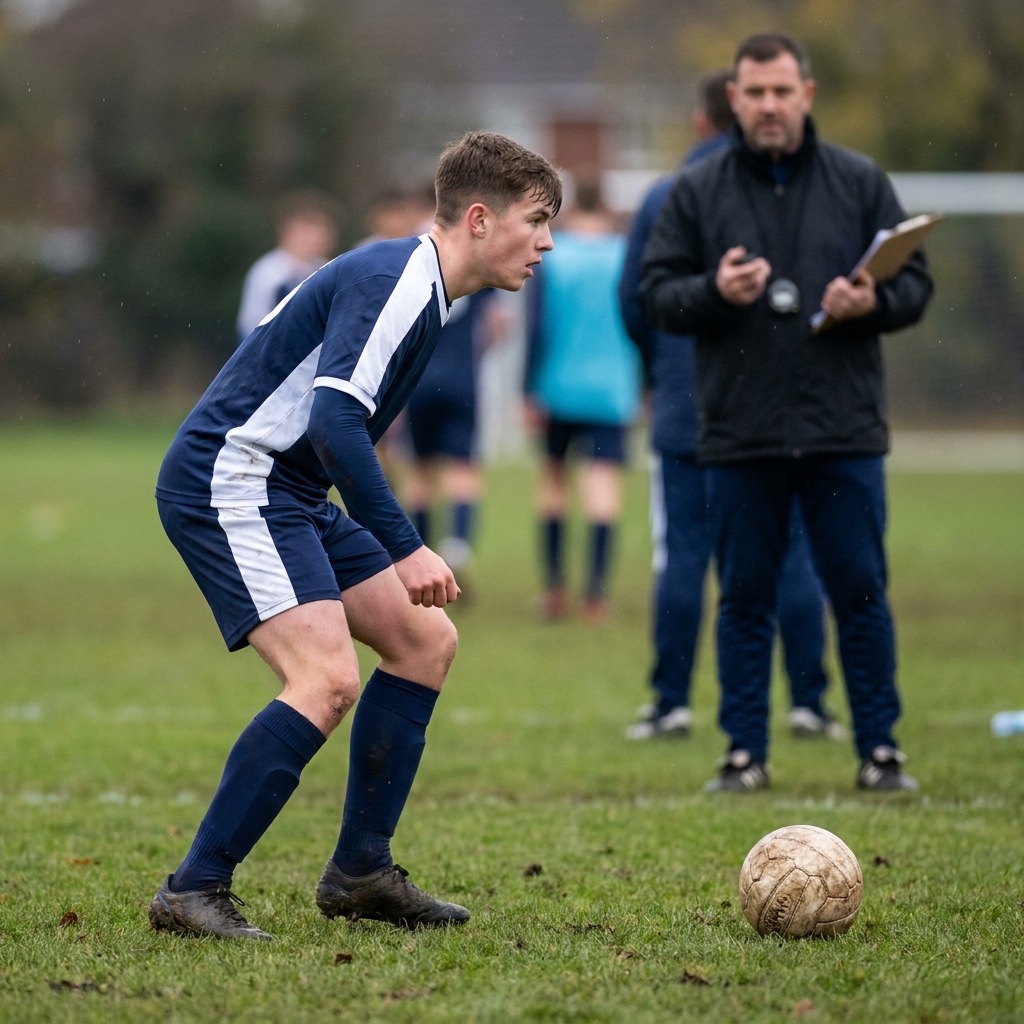
Most 1v1s are lost in the first second, when the defender rushes in and dives. Teach your players to slow the attacker down, take away the dangerous option and pick the right moment, and they will win far more of them.

The FA's FutureFit framework lands this season, bringing a 3v3 entry format at Under-7s. Here is what actually changes on a Saturday morning, and how to coach it well.