

Player 1 gets in a defending position in front of player 2 (no ball). Player 2 jogs forward, changing speed and direction (zig-zag), but allowing the defender to remain in front of her throughout. When the players reach the end of the chute, they step to the outside and jog back to their respective lines.
Coach:
• Jockeying position. The defender should ‘open’ (turn) her toes, hips and shoulders toward the nearest side of the grid to channel the ball to the tightest area and limit the attackers’ options.
This closed position also allows the defender to avoid having the ball played between her feet in live play. The defender should also assure that her weight does not shift to her heels, as it becomes very easy for the attacker to make a quick change of pace or direction and lose the defender if her weight is not on the front of her feet (lean slightly forward, legs bent).
Similarly, the defender’s focus must be the ball. Top defenders are not affected by attackers’ body feints because their main focus in a dueling situation is the ball. It is useful to encourage defenders to get their eyes closer to the ball to emphasize this point. It is important not to get too carried away with this point, as a defender too low and leaning too far forward is also easily beaten with a quick touch away. Hand/arm position is also a consideration. Flailing arms can be a source of imbalance and fouls. Top defenders keep their arms and hands comfortably at their sides (some coaches like the defender to hold the bottom of her shorts with the hand nearest the ball to avoid handball calls…) while jockeying. Finally, mentality is critical to quality defending. Passive performance in jockeying exercises often means poor performance in dueling situations. Someone once said that any player transitioning to defense has to, ‘Hunt the ball.’ One of the easiest ways to separate players at tryouts is to watch them defend as individuals. Top players will want to win the ball and will not be satisfied with going through the motions of jockeying and seizing control of a dueling situation.
• Jockeying footwork. The defender should use a ‘chop step’, keeping the feet underneath her (short steps). This shorter step both increases balance and also allows the defender to make quick adjustments to the ball as the attacker begins her run. Finally, the defender’s feet should never come entirely together because at that moment she is vulnerable both of balance and also because she likely has weight on both feet, meaning she will not be able to be powerful in adjusting to the attacker’s movement of the ball.

in more ways than one
 sportplan_netball



in more ways than one
sportplan_football
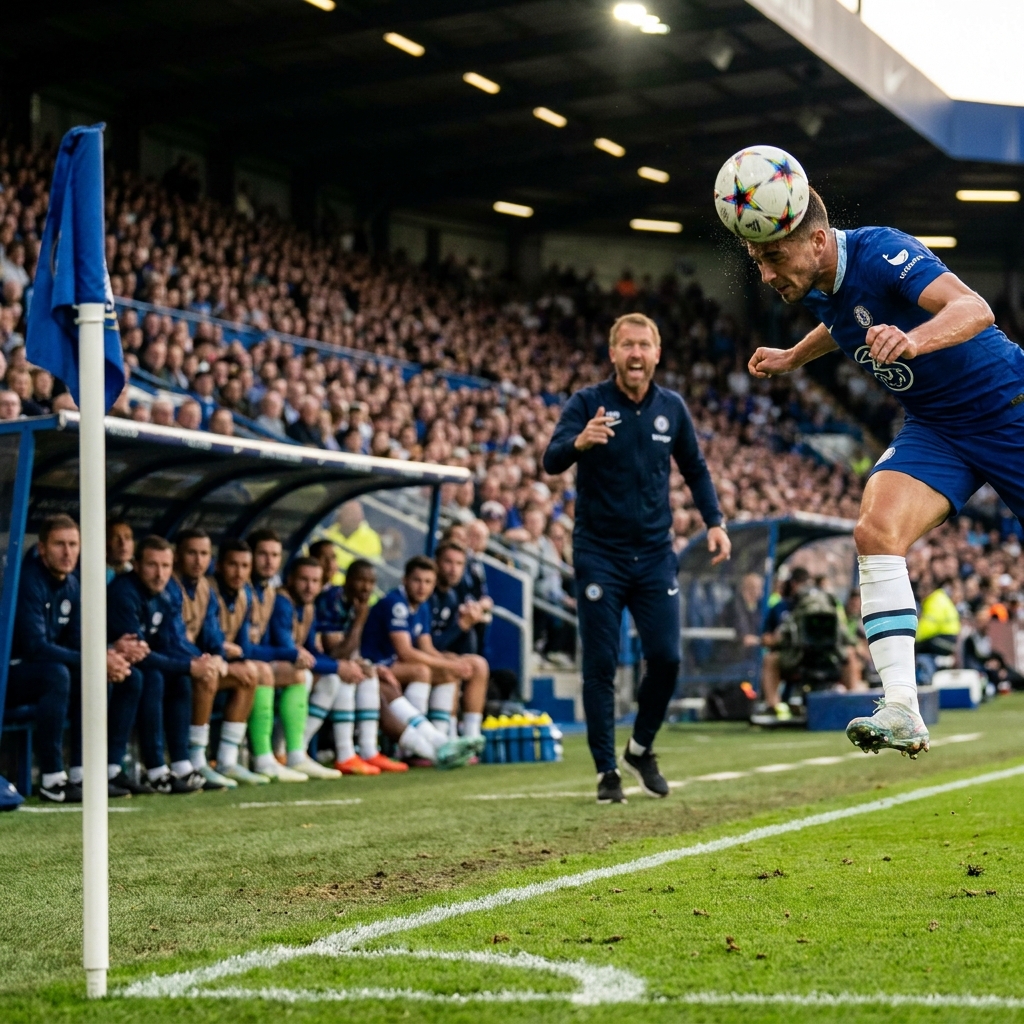
Roughly a fifth of Premier League goals come from set pieces, and the gap between teams who plan their routines and teams who do not has never been wider. Here is how the modern set-piece specialists design attacking corners, free kicks, and throw-ins - and how you can apply their ideas at any level.
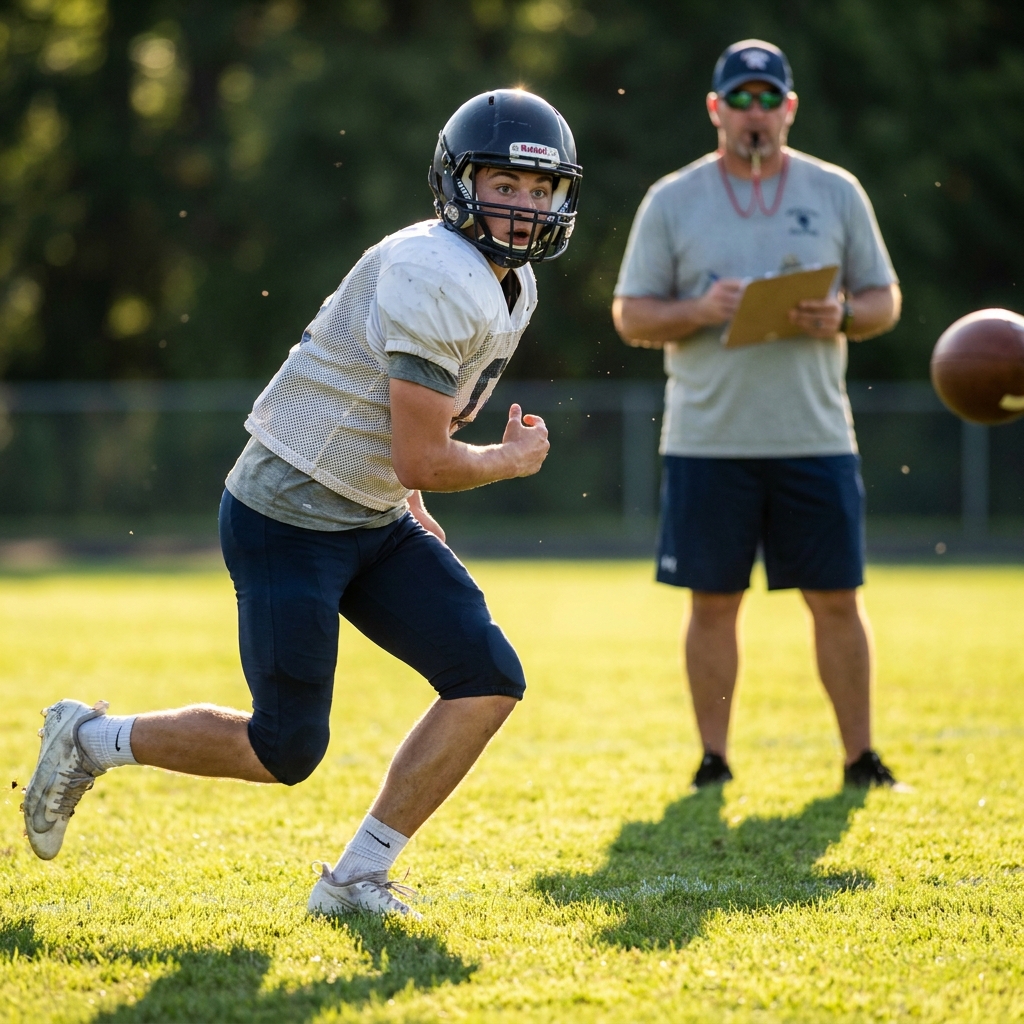
The next frontier in football coaching is not physical, it is mental. Cognitive load training - the deliberate use of perception, decision-making and dual-task demands inside football drills - is reshaping how the best academies develop players. Here is what it means and how to use it.

If the last decade taught us about pressing, this one is teaching us about what stands behind it. Rest defence is the shape your team holds while attacking, and it is the difference between dominating a game and getting picked off on the counter.









