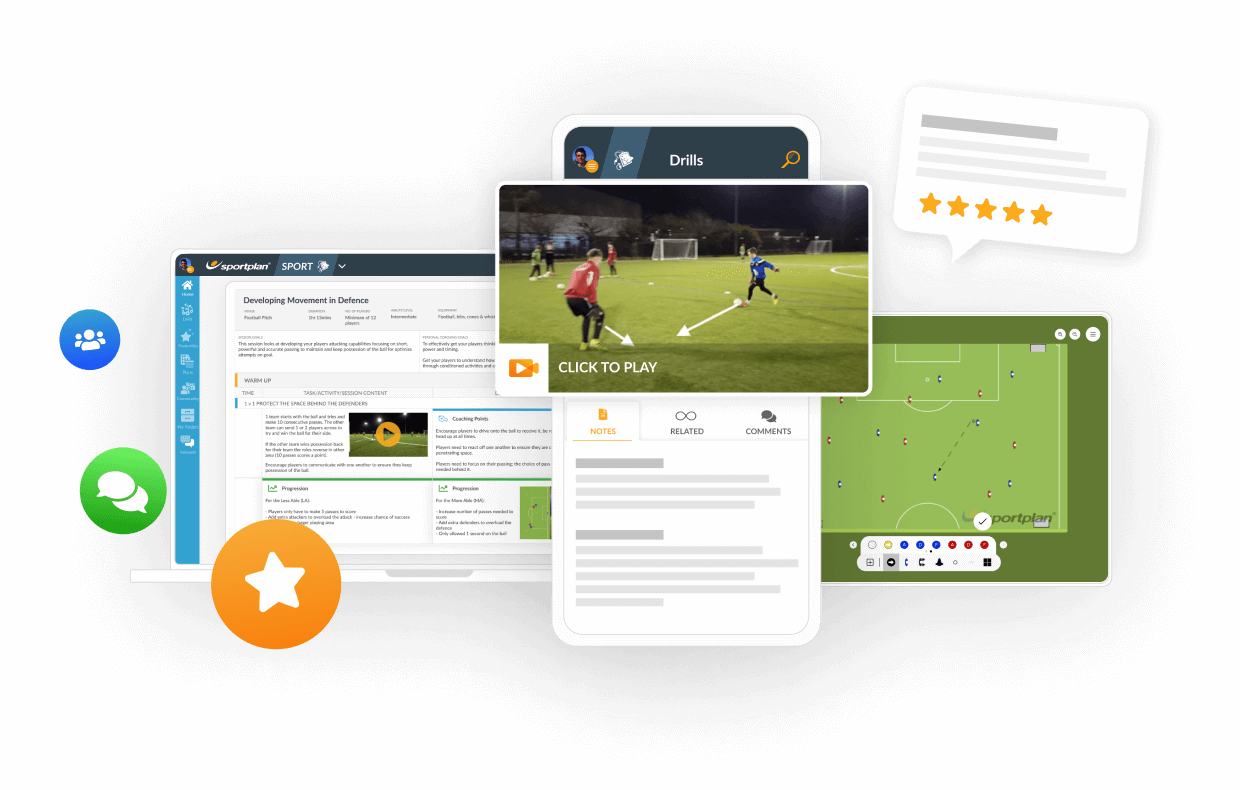
10 minute Warm up: ball bewteen 2 passing and moving around in a grid. putting into practice techniques learned previous training session. Never sprint in a warm up
Drill one:20 minutes
1 20m by 15m grid
3 teams of 5- two teams vs the other team
keep ball. usings hands
cannot move with the ball
once each team has been on their own, change to football.
5 press ups for a team that gives the ball away
As soon as the pass is made move, quick sharp movements.
Lose a defender
Drill 3: 30 minutes
match: 2 big goals: with 2 small goals on the outside of each side of the pitch.
3 teams, one team trying to intercept and score in any small goal with the other two teams trying to score in the big goals.
Each team has a turn at intercepting. small goals=4 points big goals 1 point
Winning team is team with most points
use the number advantage, look over the shoulder when recieving or looking for the ball, check whats around you. pass and move
cool down and debrief 10 minutes
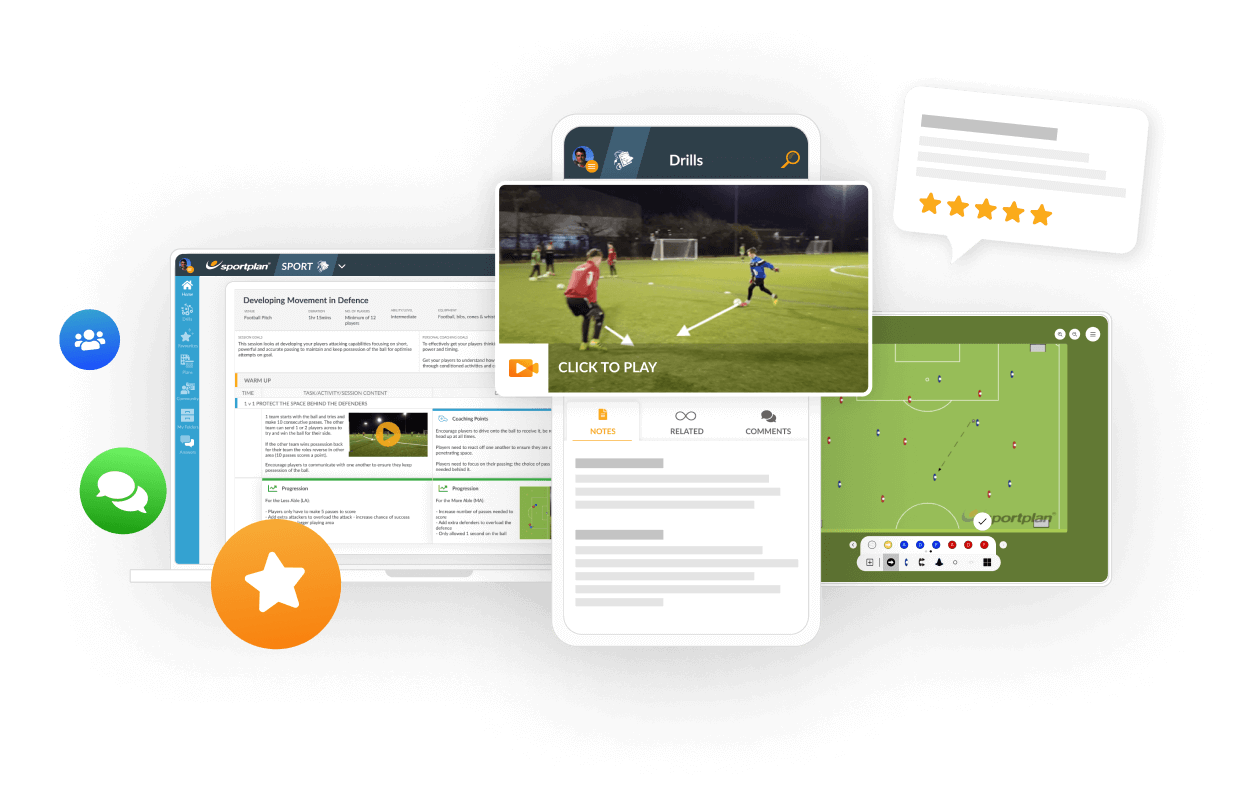
in more ways than one
 sportplan_netball


in more ways than one
sportplan_football
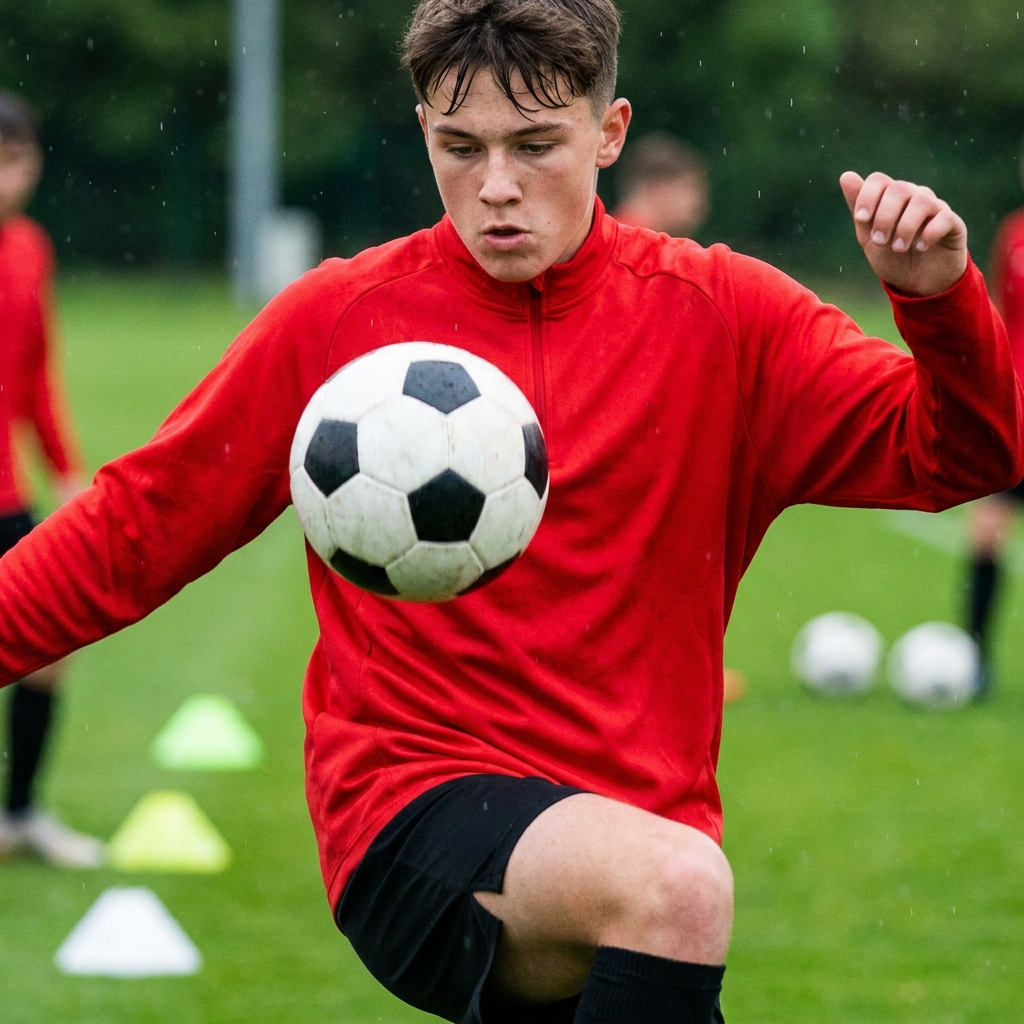
Deliberate heading is now out of U11 grassroots matches. Here is how to coach chest, thigh and foot control so your players still win the ball in the air.
Long-range goals doubled at the 2026 World Cup as teams sat deep. Here is how to coach when to shoot from distance, the technique, and the follow-up.
Under FutureFit, your Under-9s stay at 5v5, your Under-11s stay at 7v7 and your Under-13s stay at 9v9. Same pitch, same numbers, one more year. Here is how to make sure that year feels like a step forward rather than a repeat.