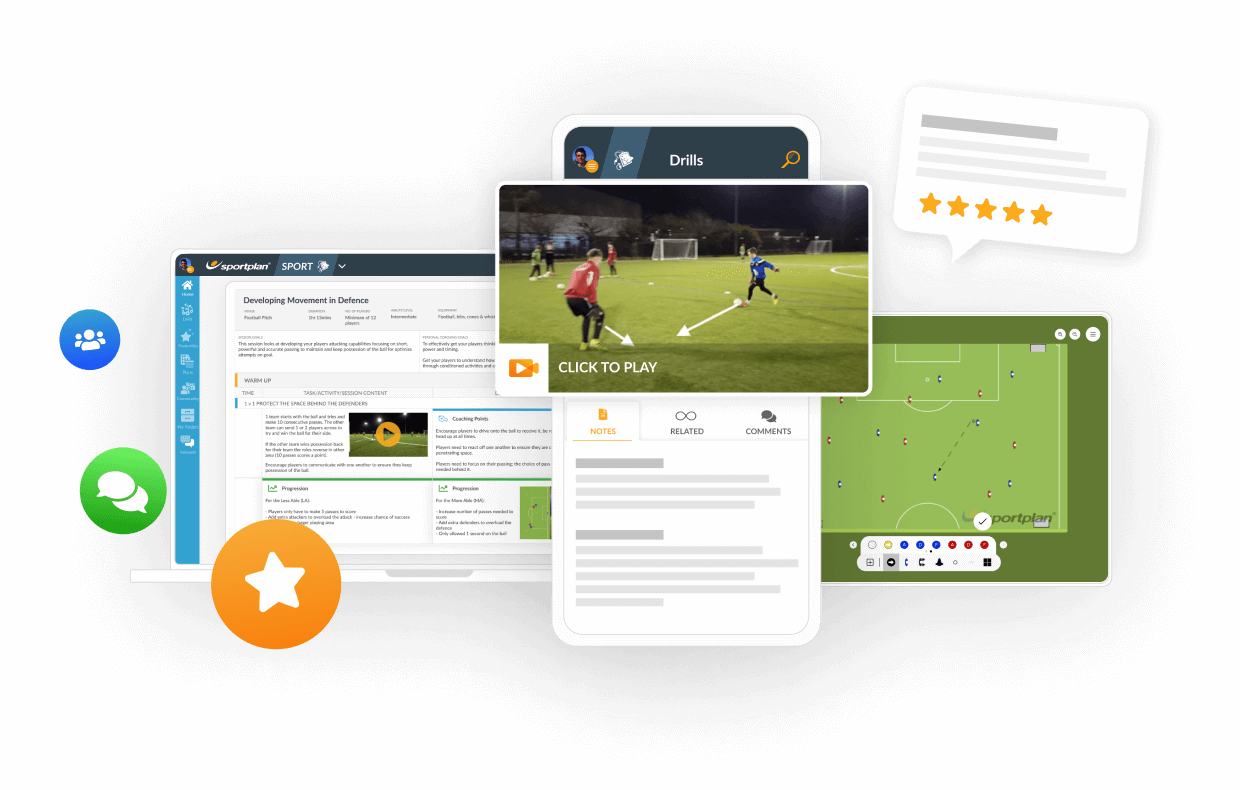
Component 2 (ten minutes) consists of an 8v8 game that is on a pitch slightly bigger than halfway. (full-size goal on edge of outer circle) There is a cordoned off section (demarcated with flat discs) on both sides and in line with the big box.
Play begins at either goal, with a minimum of three passes, before the ball is passed out wide to a midfielder who has made a positive run into the cordoned-off section.
A quality cross is then delivered into the box for one of the strikers or a midfielder making a late run.
As a progression - and using the idea from practice in Component 1, another of the midfielders/defenders can then offer an overlap/underlap opportunity to deliver a quality assist.
A further progression with open play would be to hit a long direct ball for one of the strikers to lay off wide for a cross, once the cordons are removed for a bit of open play.
Ball to restart with defending team.
Get the crosses in quickly. Quality crosses from the wing picking out the best option.
Striker needs to trigger the crosses direction with quick, incisive movement.
Supporting midfielders to time their runs intelligently, looking for potential gaps in the defense but not crowding teammates.
Midfielders to be aware of any lay-off from strikers for a shooting opportunity.
Overlap/underlap runs must be well timed.
Strikers to be aware of teammates in better positions. (best usage of opportunities)
in more ways than one
 sportplan_netball

in more ways than one
sportplan_football
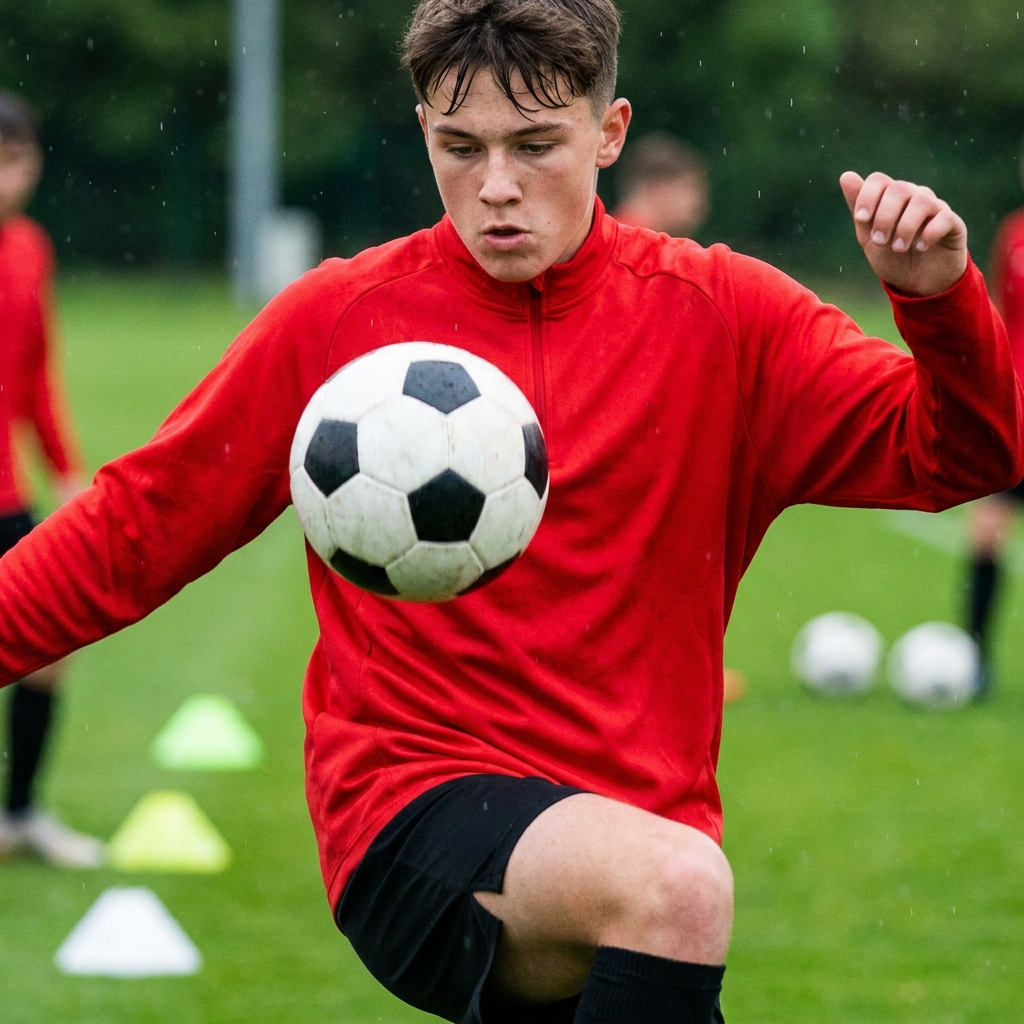
Deliberate heading is now out of U11 grassroots matches. Here is how to coach chest, thigh and foot control so your players still win the ball in the air.
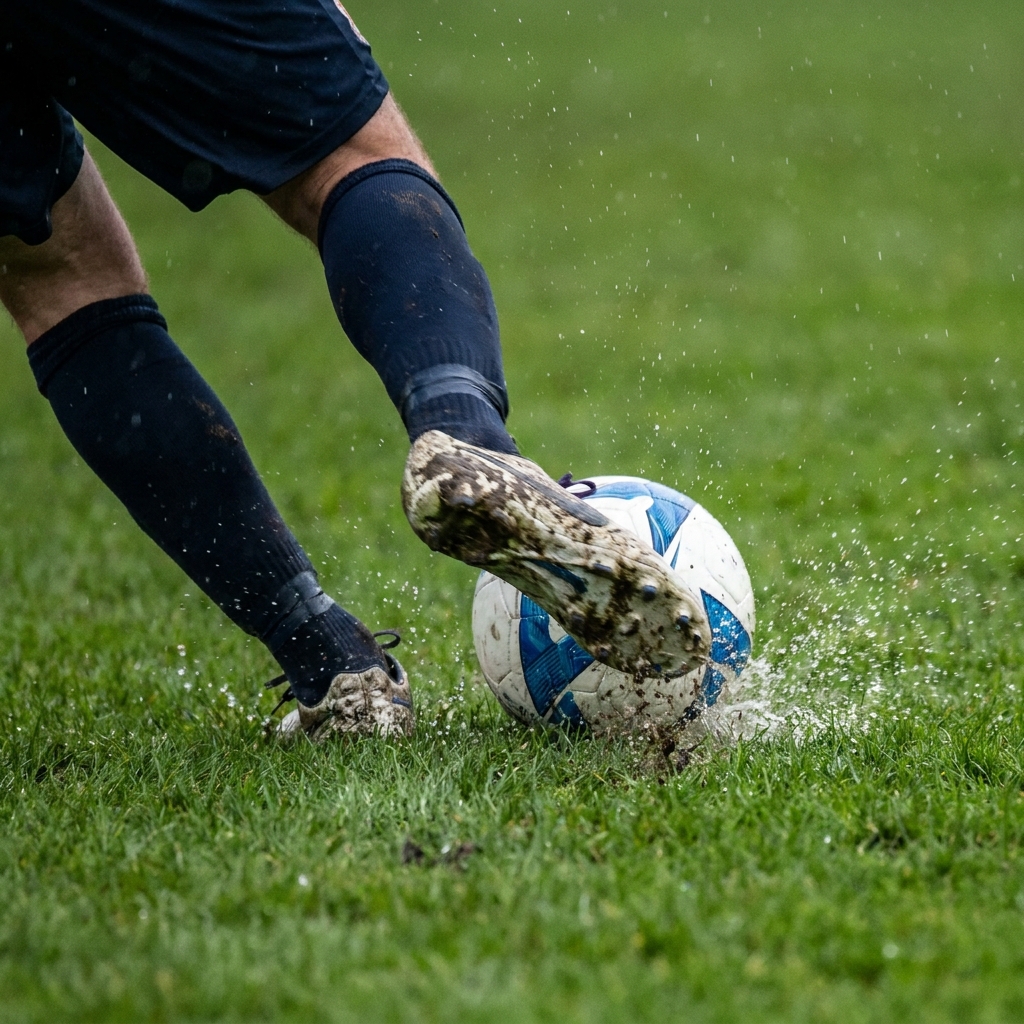
Long-range goals doubled at the 2026 World Cup as teams sat deep. Here is how to coach when to shoot from distance, the technique, and the follow-up.
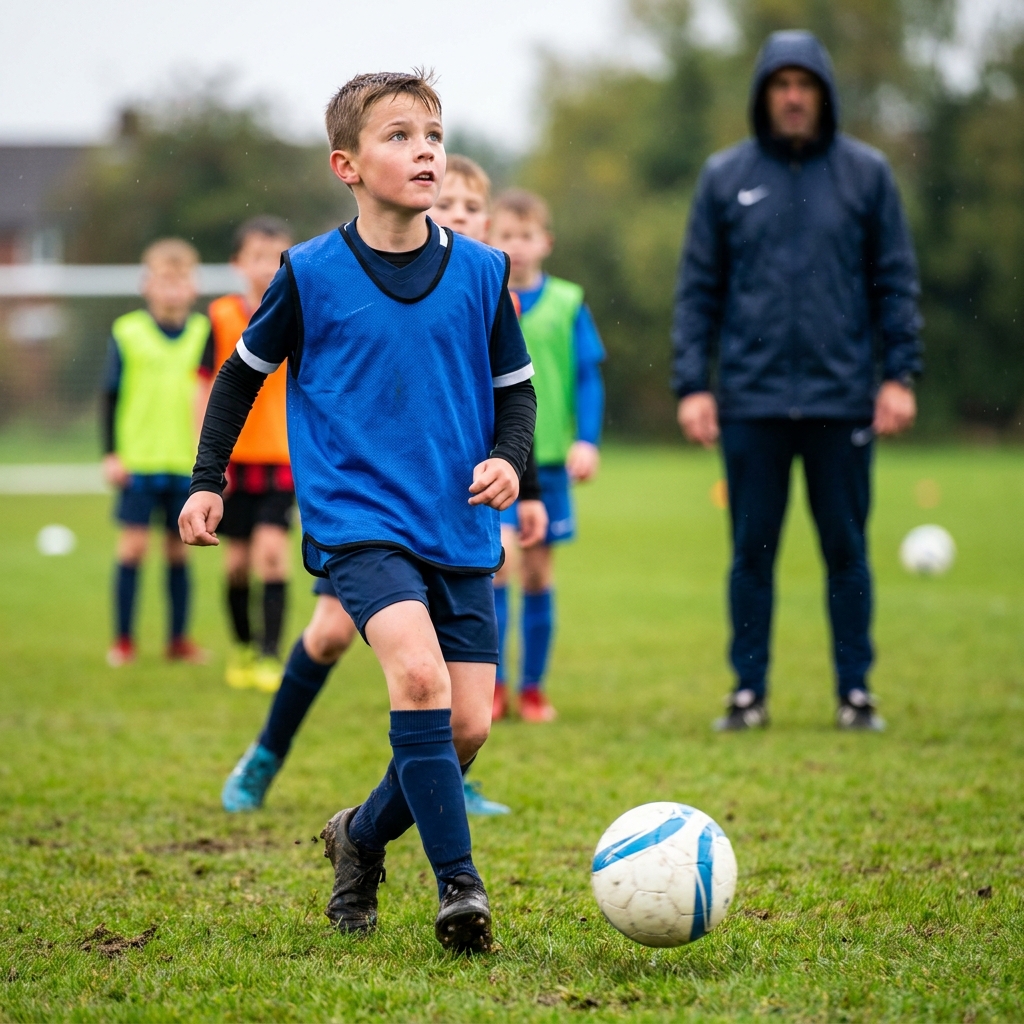
Under FutureFit, your Under-9s stay at 5v5, your Under-11s stay at 7v7 and your Under-13s stay at 9v9. Same pitch, same numbers, one more year. Here is how to make sure that year feels like a step forward rather than a repeat.