Goalkeeper of the defensive team begins with a ball out to the attackers, which acts as a cue for the defensive team to begin pressing. The attacking team must quickly try to get a shot at goal, either through the initial pass if the defensive team does not step out quick enough, or through a penetrative pass beyond the defensive line.
As soon as a goal is scored or the ball ends up out of play (or in the goalkeepers hands) the defending team transitions to become the attacking team, while the other 4 players must quickly recover their position to defend their goal.
Can incorporate a 5 vs 4 situation to train overload situations defensively, or have one side composed of only defenders constantly rotating so they only deal with the defensive transition phase.
in more ways than one
 sportplan_netball


in more ways than one
sportplan_football
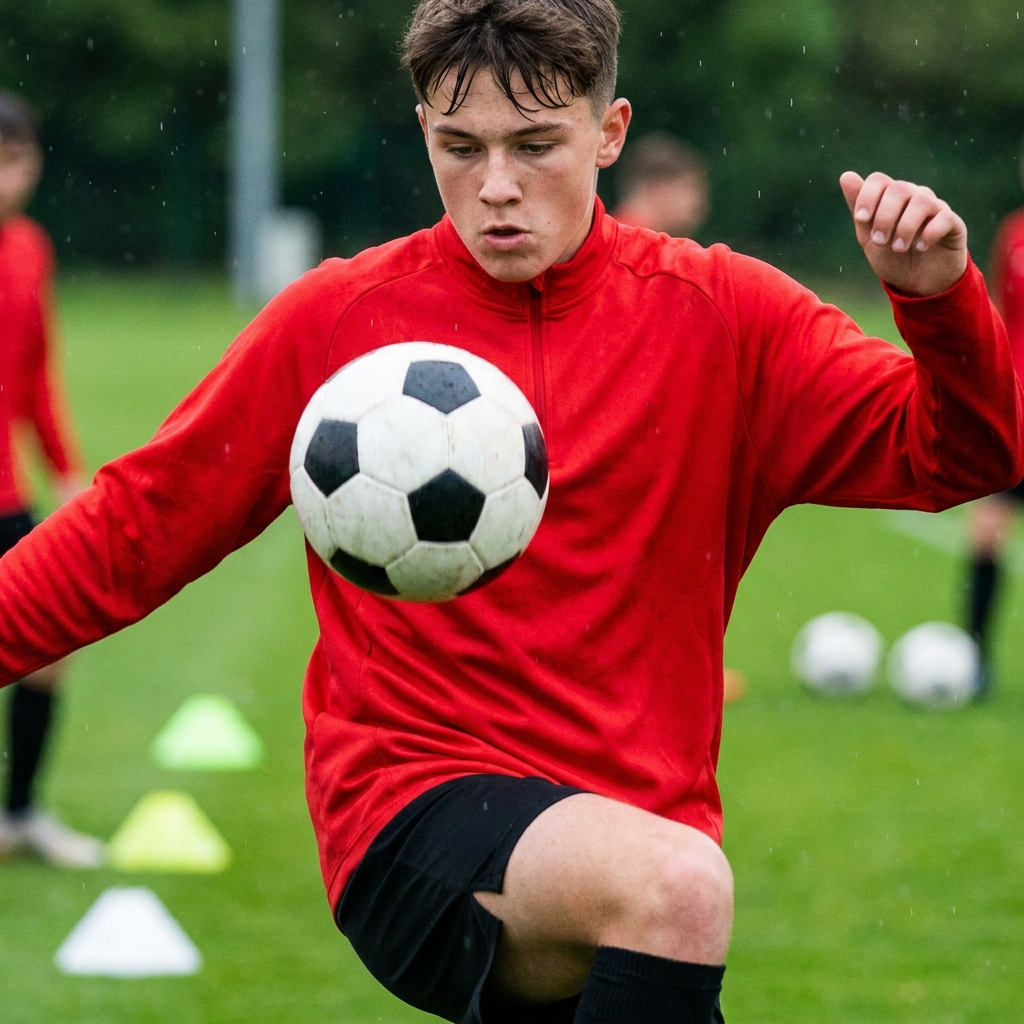
Deliberate heading is now out of U11 grassroots matches. Here is how to coach chest, thigh and foot control so your players still win the ball in the air.
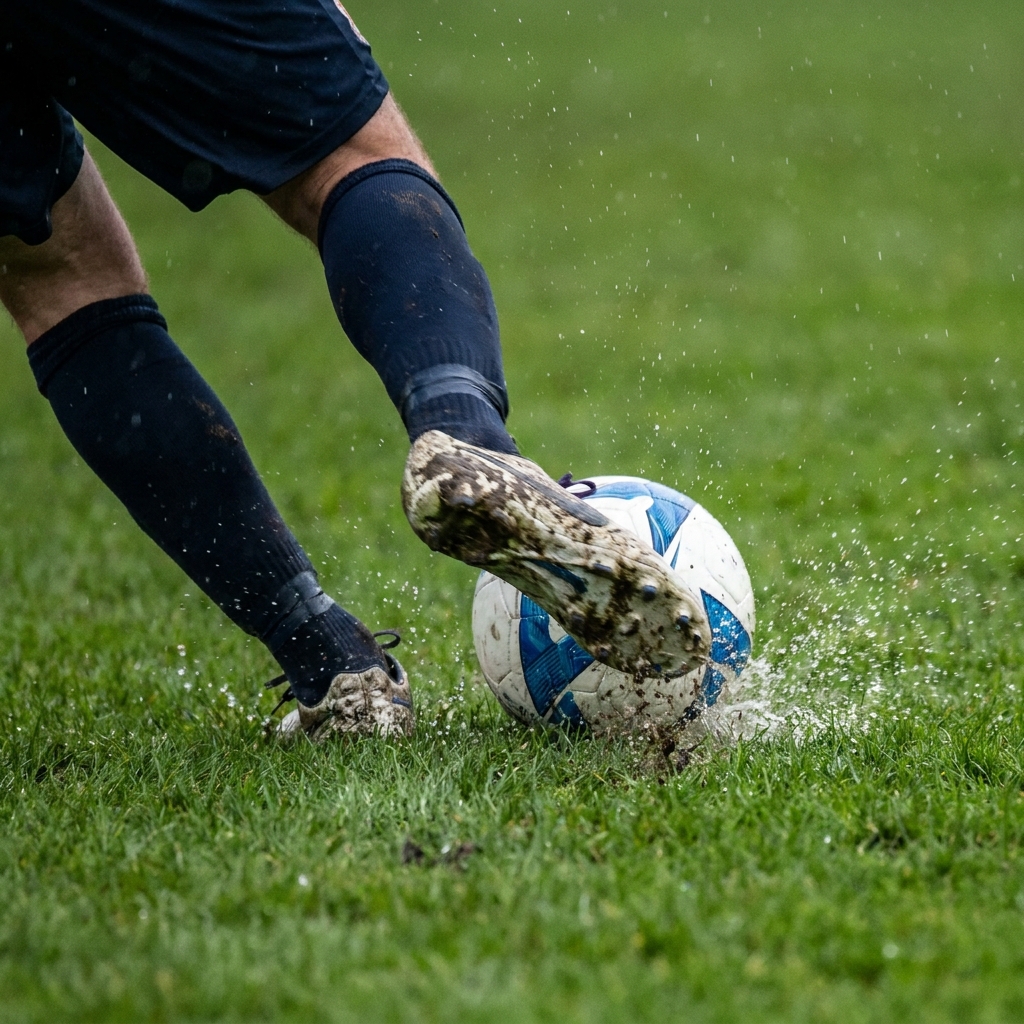
Long-range goals doubled at the 2026 World Cup as teams sat deep. Here is how to coach when to shoot from distance, the technique, and the follow-up.
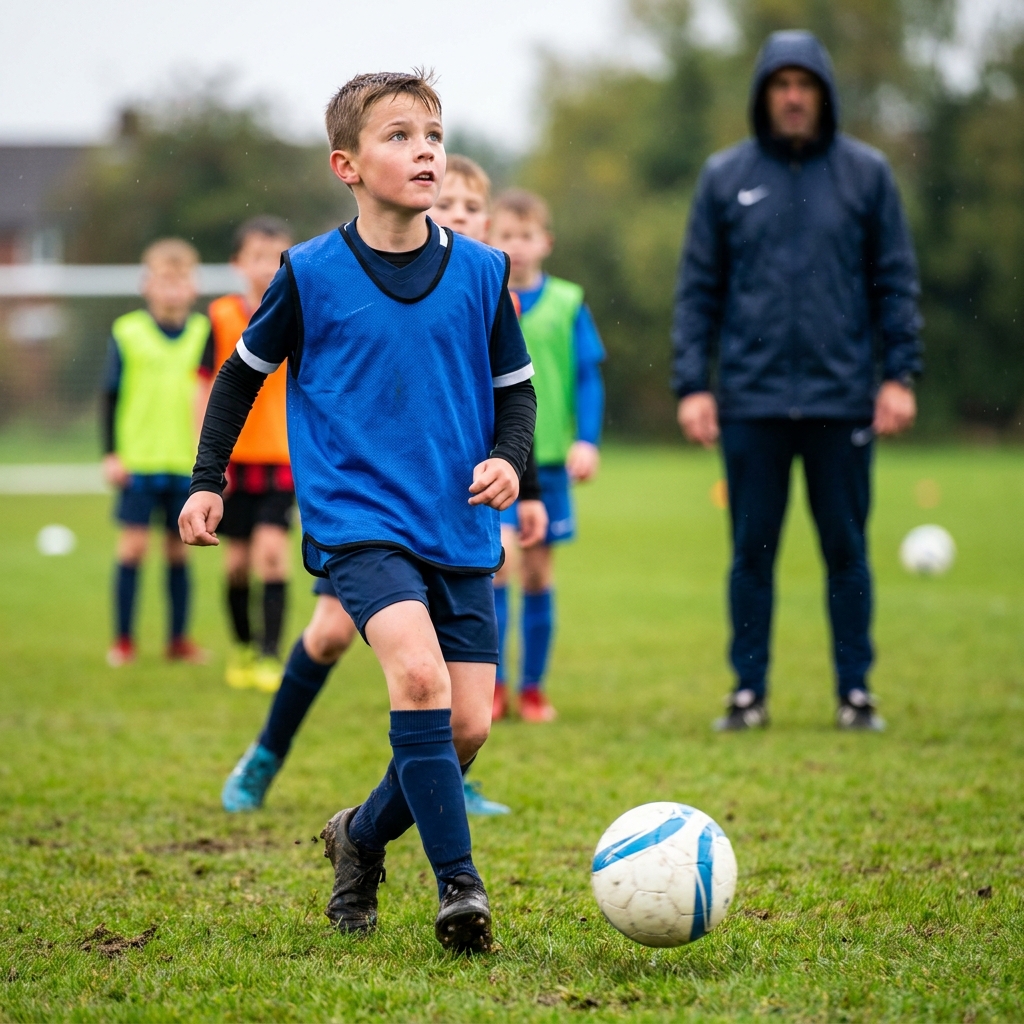
Under FutureFit, your Under-9s stay at 5v5, your Under-11s stay at 7v7 and your Under-13s stay at 9v9. Same pitch, same numbers, one more year. Here is how to make sure that year feels like a step forward rather than a repeat.