3 phases for foundation passing skills.
Phase 1 is a simple numbered passing game where players are given a number and must pass to the next number in sequence whilst stationary in set positions.
Phase 2 involves the same process but players now move around the play area (marked out with cones). Players cannot stand still at any time, and must think about the number before and after them to ensure they are in a good position to receive and then pass.
Phase 3 introduces a goal to shoot into. Once the sequence is complete, the final pass must be a through ball and first time shot into a mini goal.
Observe the players carefully to assess control and passing technique.
Advise on movement and positioning throughout
Keep the energy high
Variations - Size of the playing area, goal position and defenders are simple considerations to change the level of difficulty

in more ways than one
 sportplan_netball


in more ways than one
sportplan_football

Under FutureFit, your Under-9s stay at 5v5, your Under-11s stay at 7v7 and your Under-13s stay at 9v9. Same pitch, same numbers, one more year. Here is how to make sure that year feels like a step forward rather than a repeat.
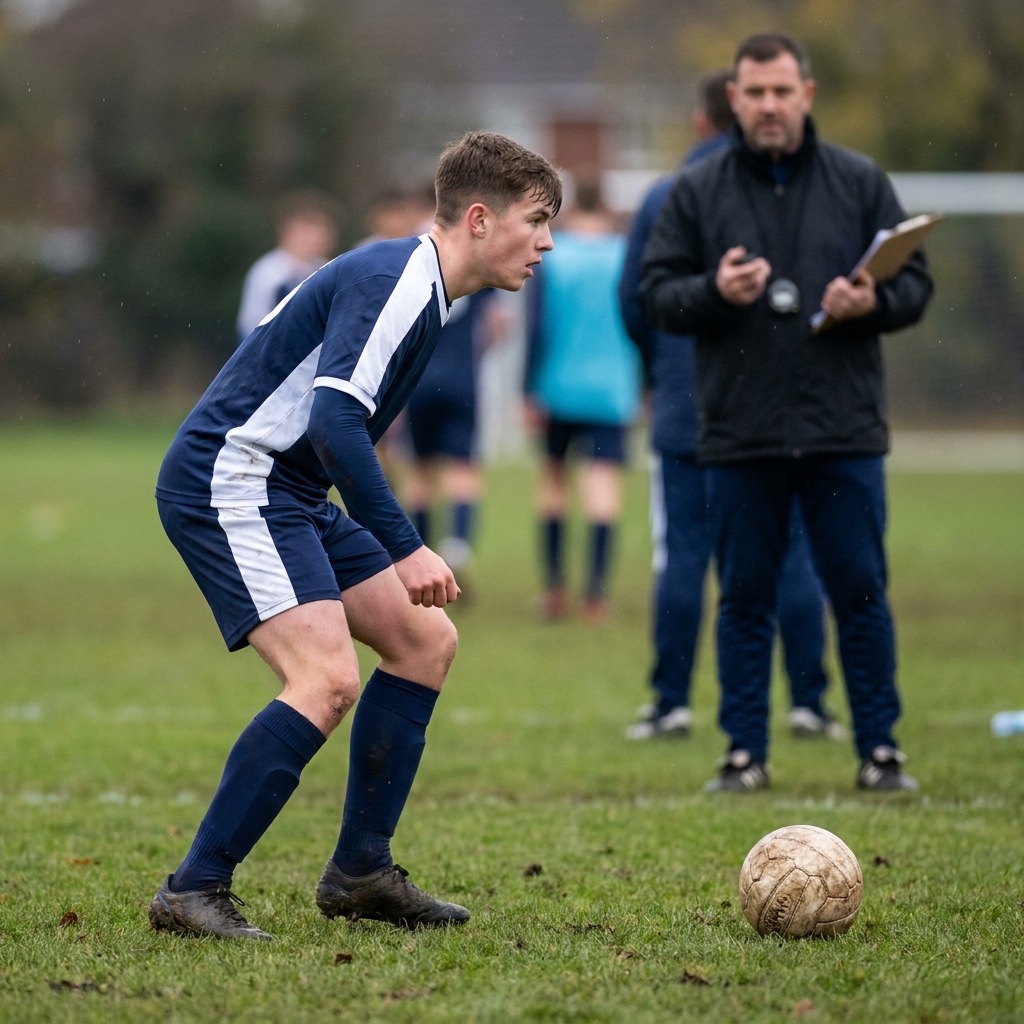
Most 1v1s are lost in the first second, when the defender rushes in and dives. Teach your players to slow the attacker down, take away the dangerous option and pick the right moment, and they will win far more of them.

The FA's FutureFit framework lands this season, bringing a 3v3 entry format at Under-7s. Here is what actually changes on a Saturday morning, and how to coach it well.