Pressing the long ball and winning the second ball.
Create three areas, the middle area being slightly larger.
At both end put players on teh same team who have to play long balls over the top of the team in the middle.
If the pass is successfull, the team must return the ball back over the top.
Once the ball is lofted in the zone, if the control is bad or the pass is wayward, the team must react quickly to keep the ball.
There will be one attacker allowed into the target zone from the middle to press the ball coming in. This player must always start in the middle zone until the ball is played.
Communication and awareness is needed from the middle team.
If the defending team win the ball, they swap places with the team on the far end.
in more ways than one
 sportplan_netball

in more ways than one
sportplan_football
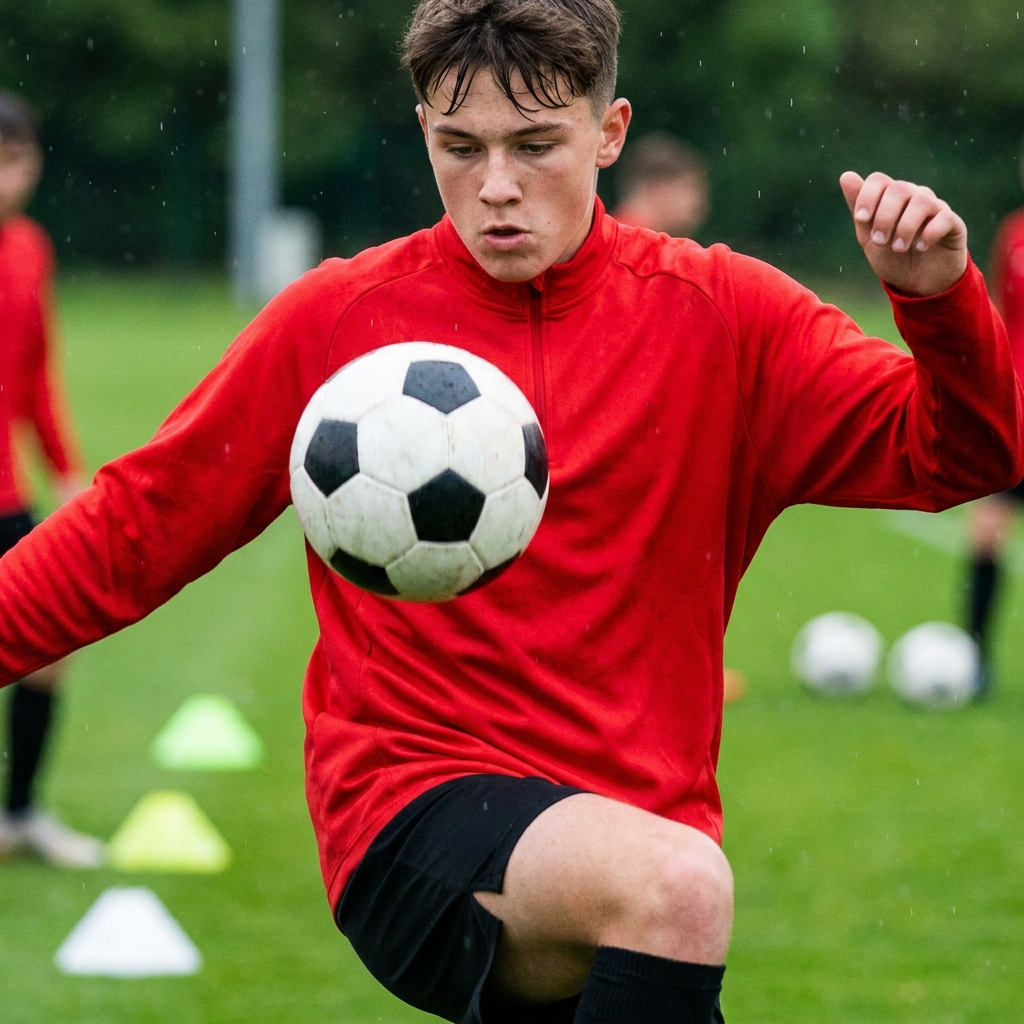
Deliberate heading is now out of U11 grassroots matches. Here is how to coach chest, thigh and foot control so your players still win the ball in the air.
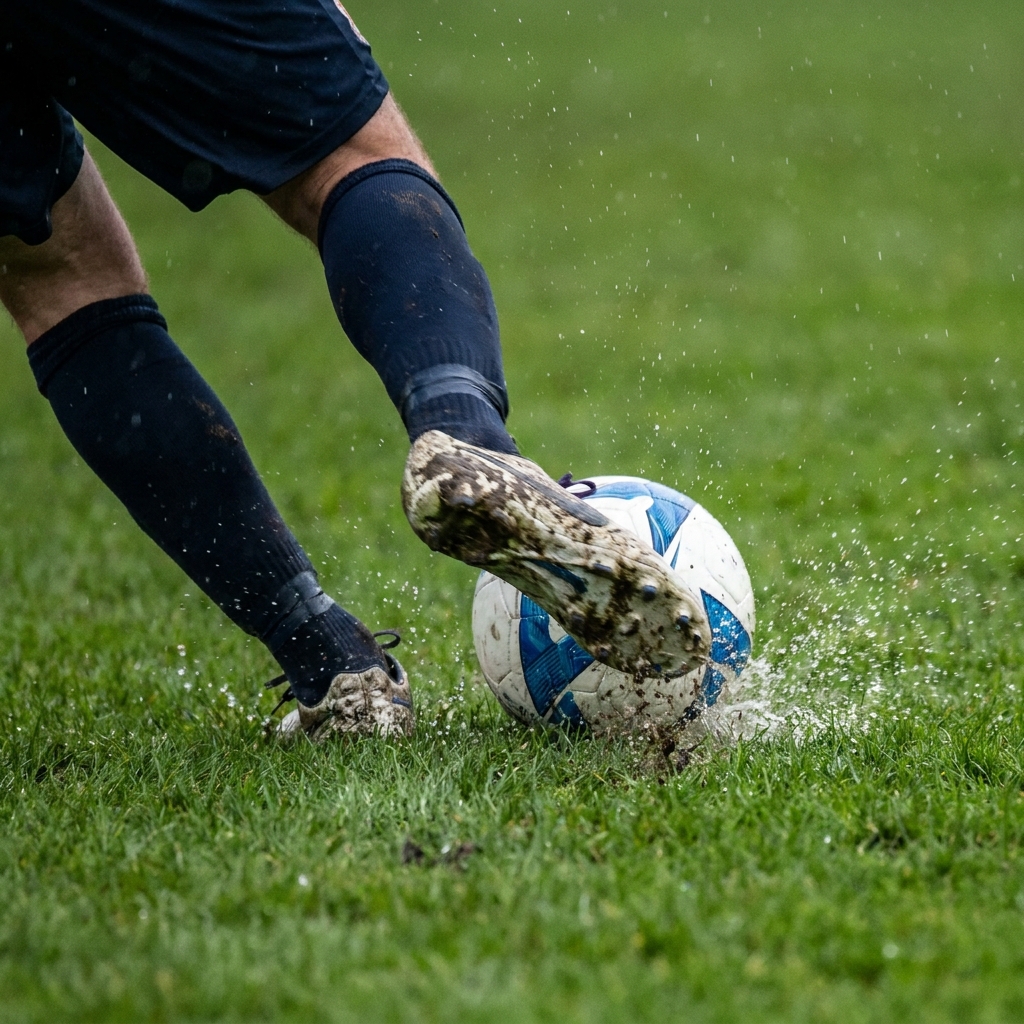
Long-range goals doubled at the 2026 World Cup as teams sat deep. Here is how to coach when to shoot from distance, the technique, and the follow-up.
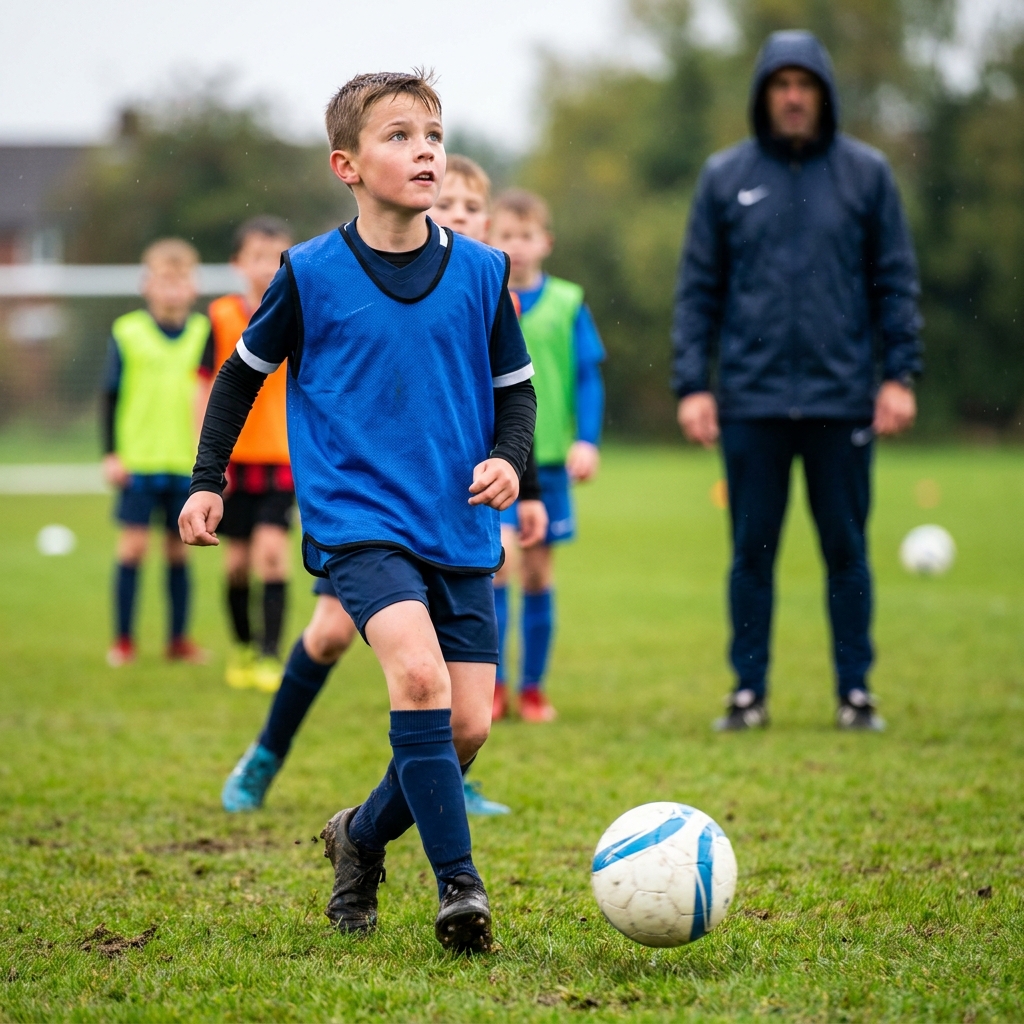
Under FutureFit, your Under-9s stay at 5v5, your Under-11s stay at 7v7 and your Under-13s stay at 9v9. Same pitch, same numbers, one more year. Here is how to make sure that year feels like a step forward rather than a repeat.