Red and Blue players 1.5m apart
Red player standing, arms outstretched, red ball in one hand, white in the other.
Blue player stays in crouched catching position.
Red player releases both balls at the same time, calling a colour as the balls are released.
Blue player must catch the correct coloured ball, before it hits the ground.
Repeat 10 times before swapping positions.
Red player to ensure left/right and red/white are randomly switched so as to focus on decision making and reflexes.
Blue player to be balanced, core enagaged, strong base.
Difficulty can be increased by Red player lowering release point
or
switching one ball for a tennis ball or similar to encourage soft hands.

The new Laws of Cricket are in force from 1 October 2026 and the 'bunny hop' boundary catch is gone. Here is how to coach your fielders to catch on the rope this winter.

The covers are on and the last tea has been served. What your club does between now and April decides how the next season starts. Here is a simple, honest winter plan for players, bowlers and juniors.
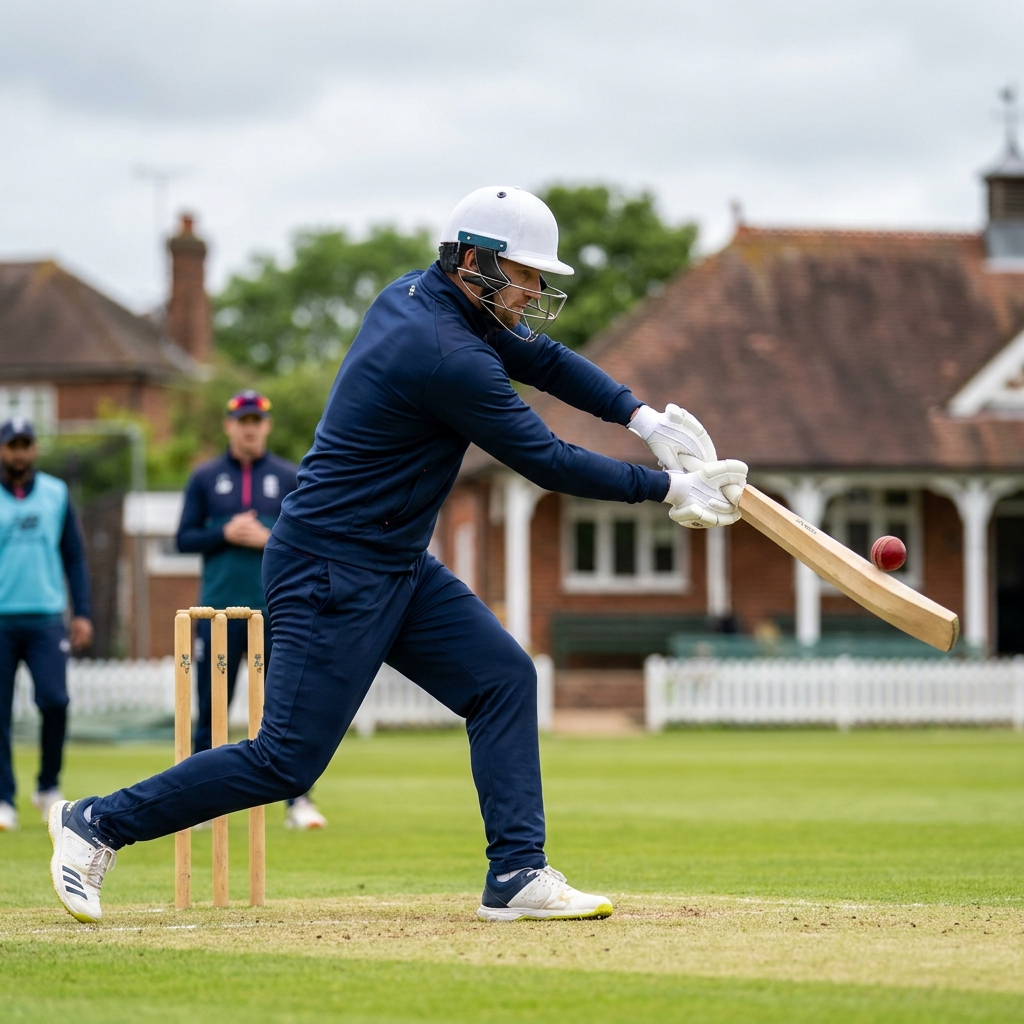
August is when seasons are decided, and most club games are lost chasing rather than setting. Give your batters a framework for the chase and you win the close ones.


Register for FREE and get coaching tips, top drills, session and more every week!