players in pairs facing each other behind cones approx 2meters apart.
1 ball per player, player throw ball gently underarm to each other.
Progression
First pair to ten catches
Most catches in 1 minute
Most consecutive atches, but must go back to zero if there is a drop.
player takes one big step backward each time they make a successful catch, one step forward if they drop, team fartherest away from each other wins
Athletic stance, feet shoulder width apart, knees slightly bent.
Hands make a butterfly, fingers apart like butterfly wings, keep wings touching, don't kill the butterfly by pulling its wings away from its body.
Fingers soft like a butterfy's wings.
Butterflies can move in thr air, so hands can move to the ball.
Throwing player wait until partner is ready, in "catching position", with hands like a butterfly, then make gentle, careful throw.

The new Laws of Cricket are in force from 1 October 2026 and the 'bunny hop' boundary catch is gone. Here is how to coach your fielders to catch on the rope this winter.

The covers are on and the last tea has been served. What your club does between now and April decides how the next season starts. Here is a simple, honest winter plan for players, bowlers and juniors.
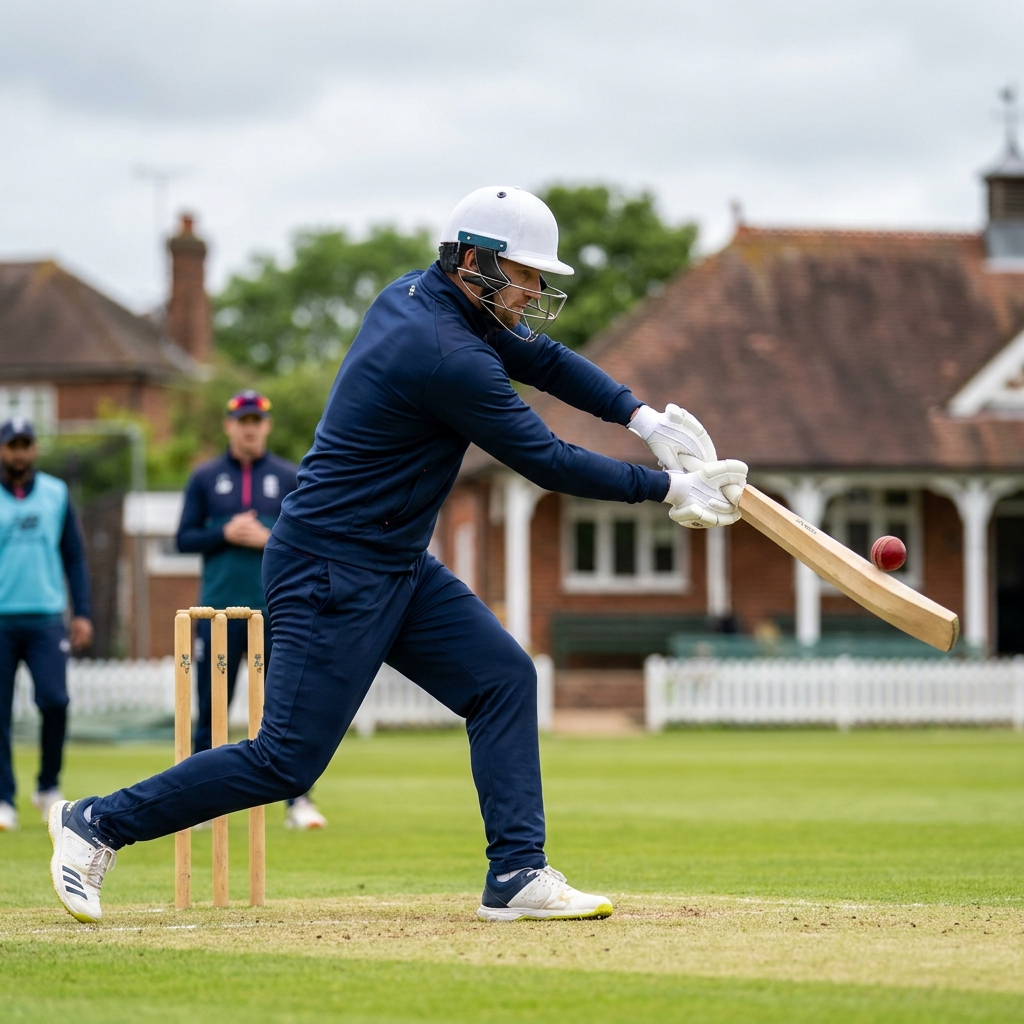
August is when seasons are decided, and most club games are lost chasing rather than setting. Give your batters a framework for the chase and you win the close ones.


Register for FREE and get coaching tips, top drills, session and more every week!