Teams of 4, in pairs behind cones 15 to 20m either side of a set of kwik cricket stumps. One ball for each team. Pair with the ball, one player throws at the stumps, pair without ball retrieves and one player throws at stumps. Each pair alternates which player throws.
If stumps are hit, one stump is removed and laid on the ground beside the stumps.
First team to remove all three stumps wins.
Progression, losing teams cones moved closer tostumps, winni ng teams cone moved further away
As per throwingdrill, throwing arm hand behind elbow and above shoulder height. Sideways on stance. Front forearm vertical to target.
Throw from "up to down" so errors are vertical not horizontal, maximises chances of hitting stumps

The new Laws of Cricket are in force from 1 October 2026 and the 'bunny hop' boundary catch is gone. Here is how to coach your fielders to catch on the rope this winter.

The covers are on and the last tea has been served. What your club does between now and April decides how the next season starts. Here is a simple, honest winter plan for players, bowlers and juniors.
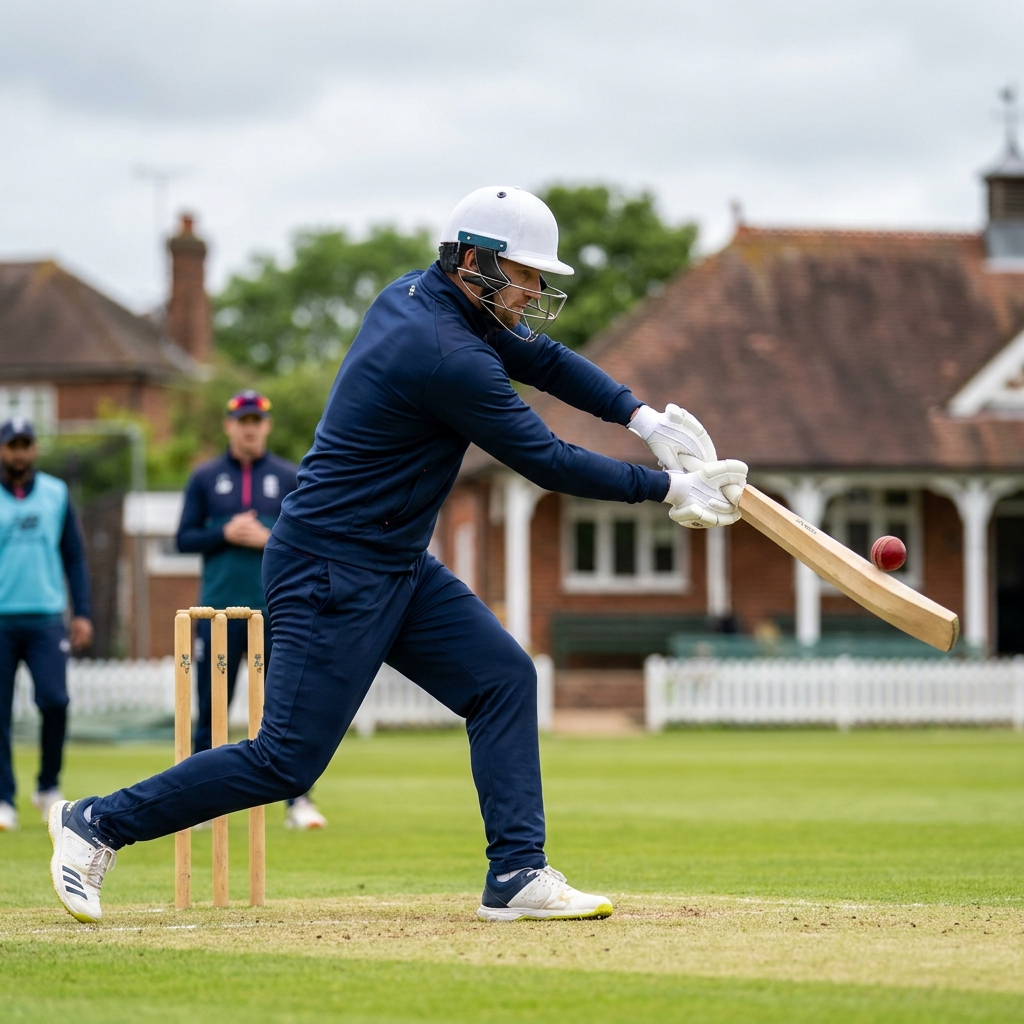
August is when seasons are decided, and most club games are lost chasing rather than setting. Give your batters a framework for the chase and you win the close ones.


Register for FREE and get coaching tips, top drills, session and more every week!