Split into groups of 4 or 5. Each group needs a set of stumps, at least one ball, a cone to que behind and 4 cones to markout a 2x2m target area that is about 2/3m away from the stumps.
Each group starts with a bowler, two wicket keepers and rthe rest quesd behind the bowler.
The bowler bowls to the best of there ability (starting side on, one step run up or a few step run up) they bowl the ball making sure they keep their arm straight and try to bounce the ball in the marked out target zone and then hit the wicket.
The wicket keeper fields the ball and gives it back to the bowler. each bowler gets three bowls then swap over.
Beginners: Start side on, point non bowling arm at the stumps, bring arm with the ball in over, brushing their ear. Keep it straight and let go of the ball at the top. Follow through. Keep eyes on the stumps at all time
Next step: Develop this to start with one step, then turn side on. Start trying to draw a figure 6 with the ball starting under your chin. Make sure arm stays straight as it brushes the ear
Further progression: can they start taking a couple or more steps beflore turning sideways, really start focussing on accuracy, can they add a bit more pace, make the ball travel in a flatter trajectory
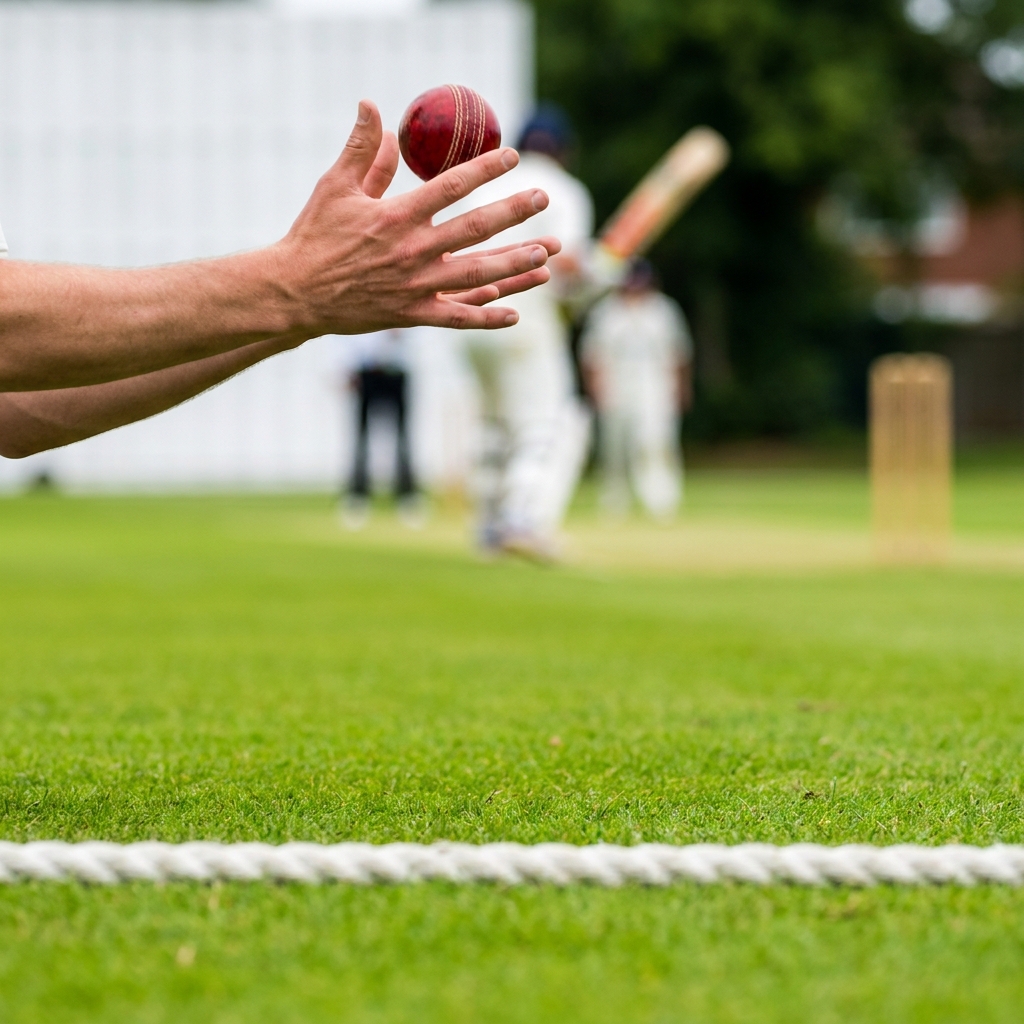
The new Laws of Cricket are in force from 1 October 2026 and the 'bunny hop' boundary catch is gone. Here is how to coach your fielders to catch on the rope this winter.

The covers are on and the last tea has been served. What your club does between now and April decides how the next season starts. Here is a simple, honest winter plan for players, bowlers and juniors.
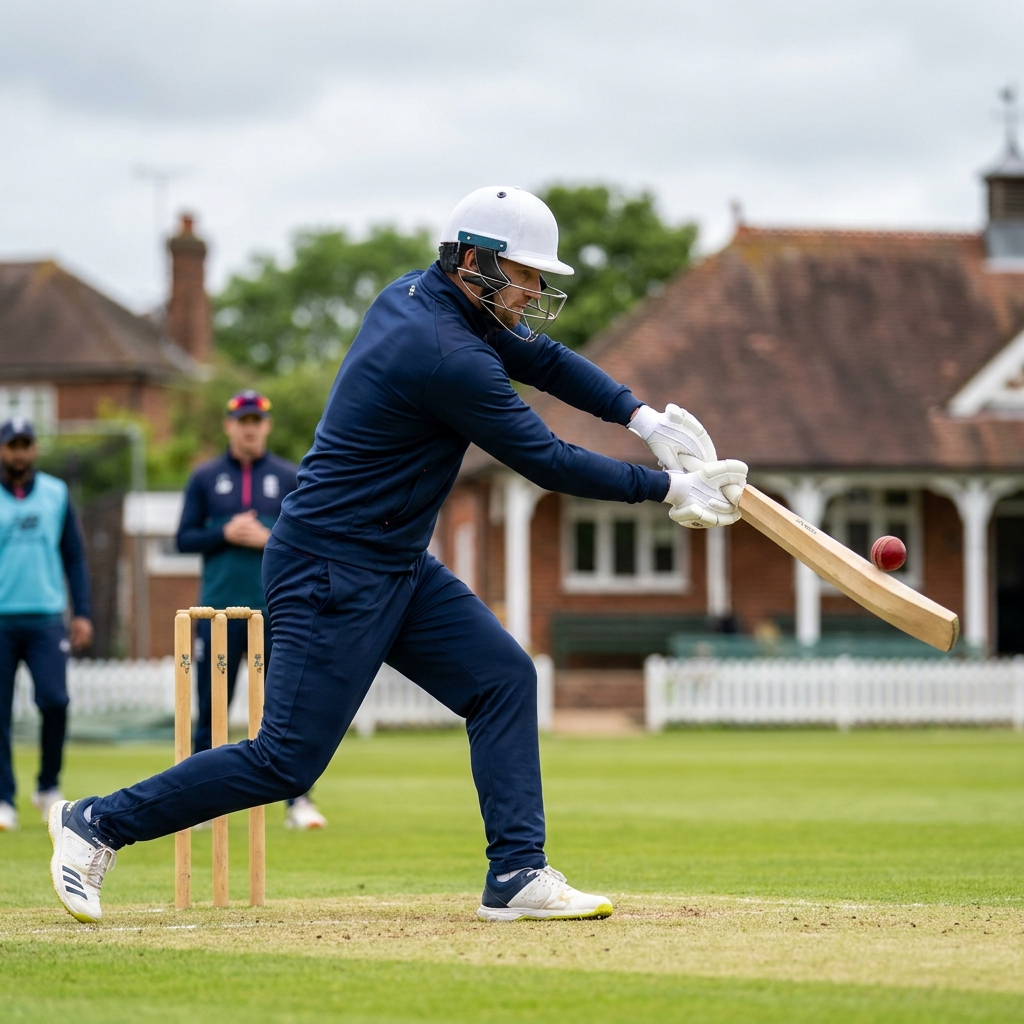
August is when seasons are decided, and most club games are lost chasing rather than setting. Give your batters a framework for the chase and you win the close ones.


Register for FREE and get coaching tips, top drills, session and more every week!